
Content
On procurement desks across Africa, South America and the Middle East, tender documents often compress the two technologies into a single line item: smart prepaid meters. The wording hides a decision that deserves two lines. A smart meter and a prepaid meter solve different utility problems, one is engineered to move data while the other secures cash, and the choice reshapes network architecture, vending systems and unit cost.
Getting the difference between a smart meter and a prepaid meter right matters commercially as well as technically: utilities that buy the wrong class usually find out two years later, when collections stay flat or the data needed for loss analysis never arrives. Three figures set the scale of both markets.
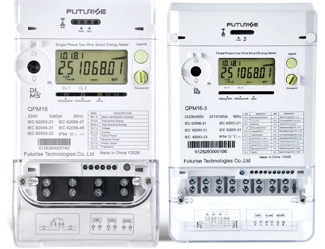
The core difference is functional, not hierarchical: a smart meter is defined by what it communicates, while a prepaid meter is defined by how it gets paid. A prepaid meter can be smart, and a smart meter can run prepaid tariffs, but neither term implies the other, which is exactly why the comparison confuses buyers.
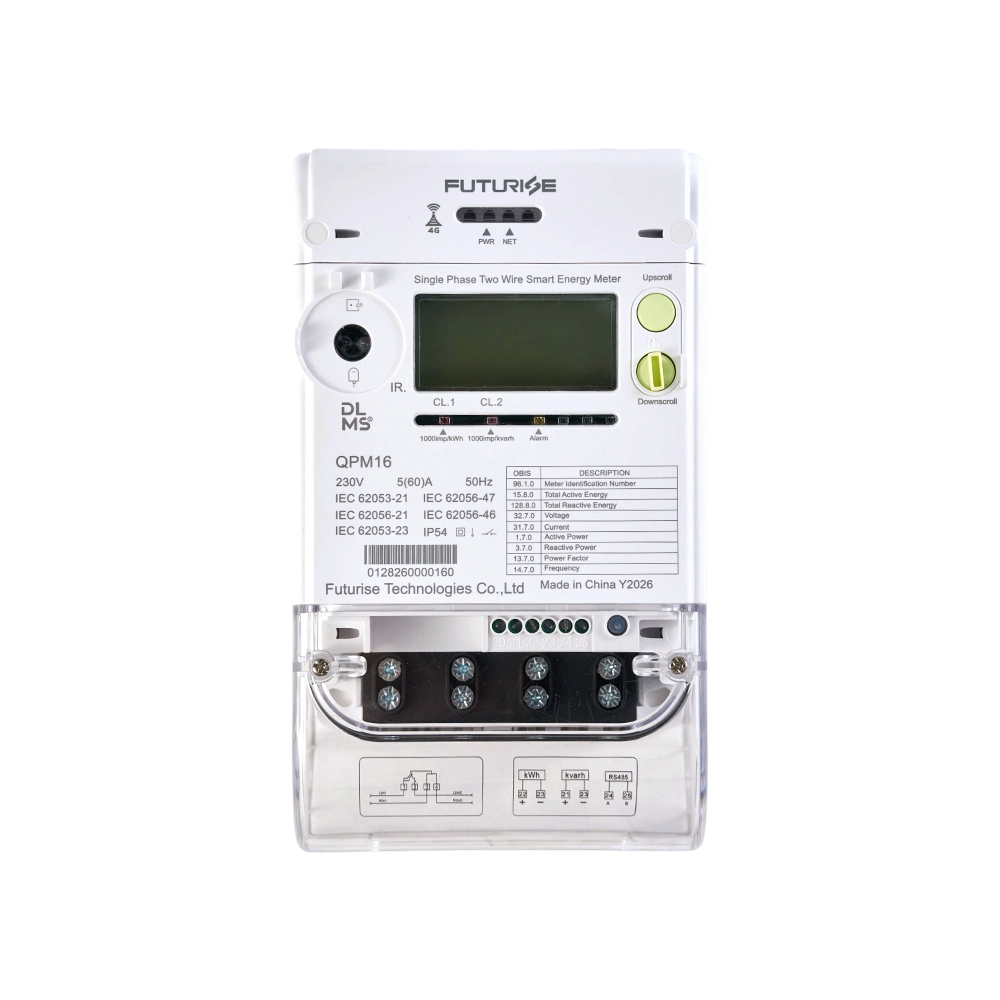
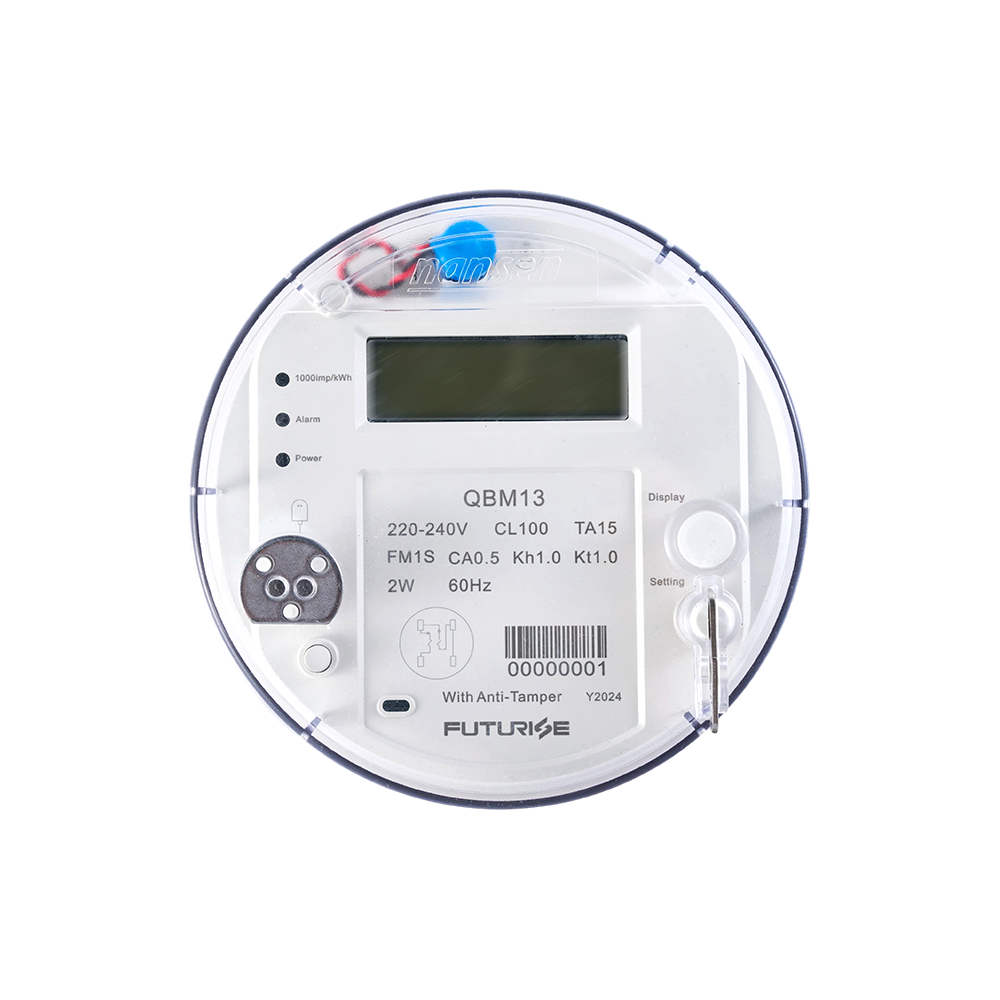
An electronic meter with an integrated communication module that measures consumption and automatically sends readings, alarms and status data to the utility, with no site visit required.
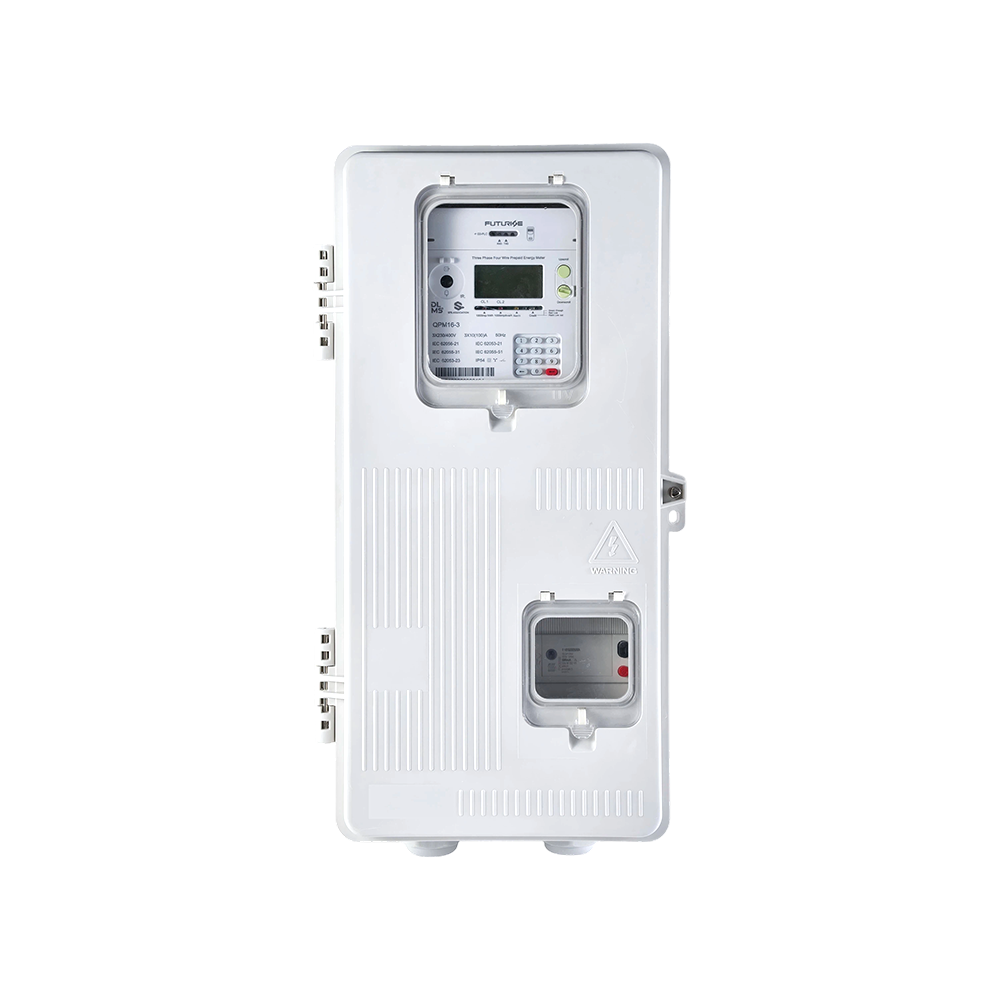
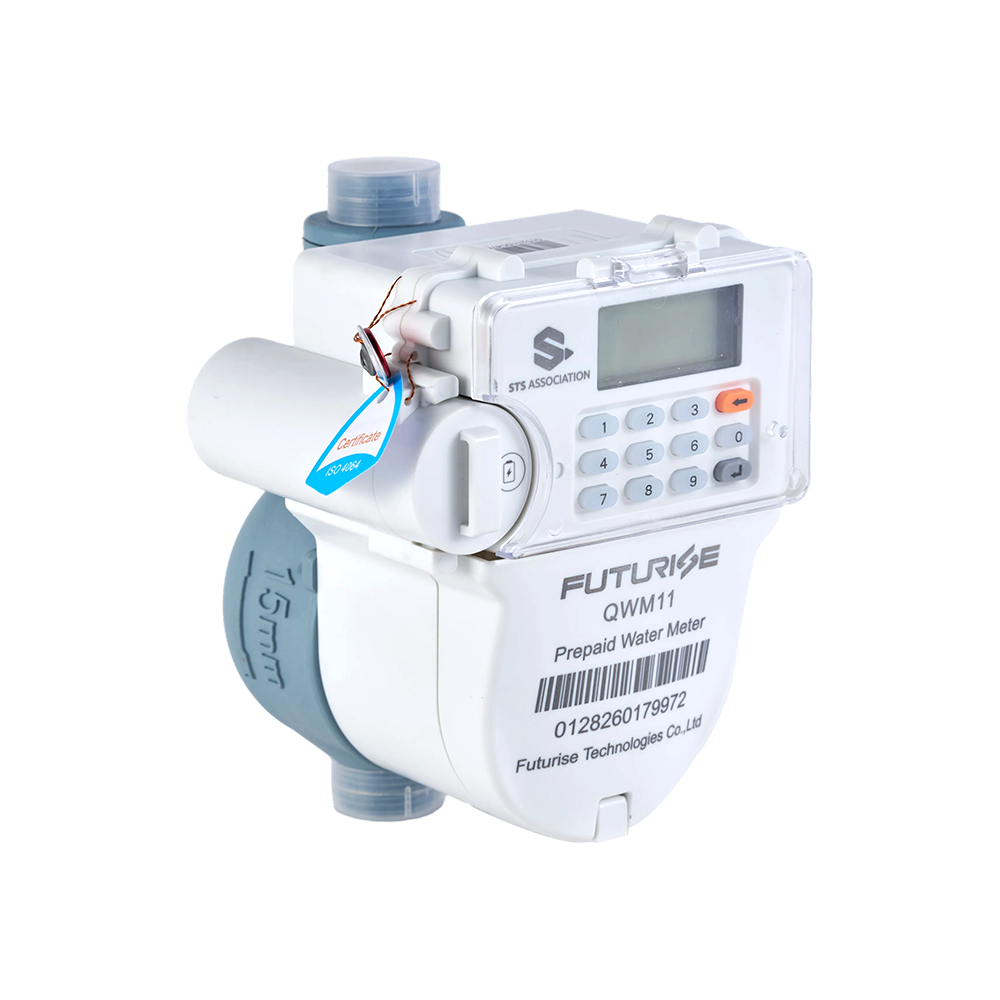
A meter that supplies electricity only after the customer buys credit, usually as a 20-digit token entered on a keypad or loaded through an IC card.
Both devices measure kWh to the same accuracy classes, and a keypad prepaid meter can share almost identical hardware with a basic smart meter. What separates them is a communication module on one side and payment logic on the other, and that difference cascades into back-end software, installation work and unit price.
A smart meter's defining job is two-way data: it pushes interval consumption upstream and receives commands downstream across an advanced metering infrastructure (AMI). Interoperability between vendors is governed by DLMS/COSEM (IEC 62056), the communication standard most international tenders now specify. The data path looks like this.
Field noteCommunication, not measurement, is the dividing line. An electronic meter without a communication module is simply an accurate meter that someone still has to visit.
A prepaid meter sells electricity the way mobile operators sell airtime: the customer pays first, the meter releases credit, and supply stops automatically when the balance reaches zero. There is no bill, no meter reader and no arrears ledger, which is exactly why cash-constrained utilities adopted the model so widely.
Because enforcement is local, prepaid meters keep working where mobile coverage is weak or data networks are expensive to build. That resilience, not simplicity, is the technology's core selling point.
Read side by side, the two meter classes differ on payment model, communication, data depth and back-end cost, not on metering accuracy. The eight attributes below are the ones that decide most utility tenders.
| Attribute | Smart meter | Prepaid meter (keypad or IC card) |
| Primary job | Remote measurement and data | Revenue collection before use |
| Payment model | Postpaid, or prepaid via AMI | Prepaid by token or card |
| Communication | Always-on, two-way | Not required at the meter |
| Data depth | Interval load profiles, power quality | Credit balance and cumulative kWh |
| Disconnection | Remote relay control | Automatic at zero credit |
| Back-end needed | DCU, HES and MDM platforms | Vending system and STS keys |
| Governing standards | DLMS/COSEM, IEC, MID | STS, IEC |
| Best fit | Stable comms, C and I monitoring | High arrears, low connectivity |
The radar below rates each class on the six capabilities buyers weigh most often.
Neither meter replaces the other. The real question in a tender is which problem you are paying to solve first: visibility or cash.
Choose by failure mode. Prepaid wins where collections fail, smart wins where decisions lack data, and most utilities carry both problems somewhere in their service territory.
A smart prepaid meter runs a prepaid tariff on a communicating AMI platform, so payment enforcement and full data capture stop being alternatives. The customer tops up through an app, a USSD code or a vending station; the HES validates the transaction, credits the meter over the air and keeps collecting the same interval data a postpaid smart meter would.
For utilities, the combination changes rollout economics: collection discipline arrives on day one, and the same asset later supports tariff migration, remote disconnect and reconnect, and targeted loss investigations. Manufacturers that span both families, as Futurise Technologies does with keypad and IC card prepaid meters, smart meters, data concentrators and HES software for utilities across Africa, South America and the Middle East, can deliver one compatible stack instead of a patchwork of vendors.
Yes. A smart prepaid meter applies a prepaid tariff on a communicating platform: credit is issued through vending or app channels, while the meter keeps reporting interval data and accepts remote commands such as disconnection and tariff updates.
No. Communication runs on utility infrastructure such as power line communication, RF mesh or cellular networks, usually aggregated by a data concentrator unit. The household network plays no role in it.
For arrears-driven losses, prepaid meters act fastest, because supply stops at zero credit and new debt cannot accumulate. For losses hidden inside the network, such as tampering or unmetered connections, smart meters expose them through interval data and balance checks that prepaid-only devices cannot provide.
STS tokens are validated inside the meter, so a correctly issued token works even when the network is down. If vending fails, most smart prepaid deployments fall back to an emergency credit level set by the utility, keeping households supplied until the system recovers.
Share:


 English
 Français