
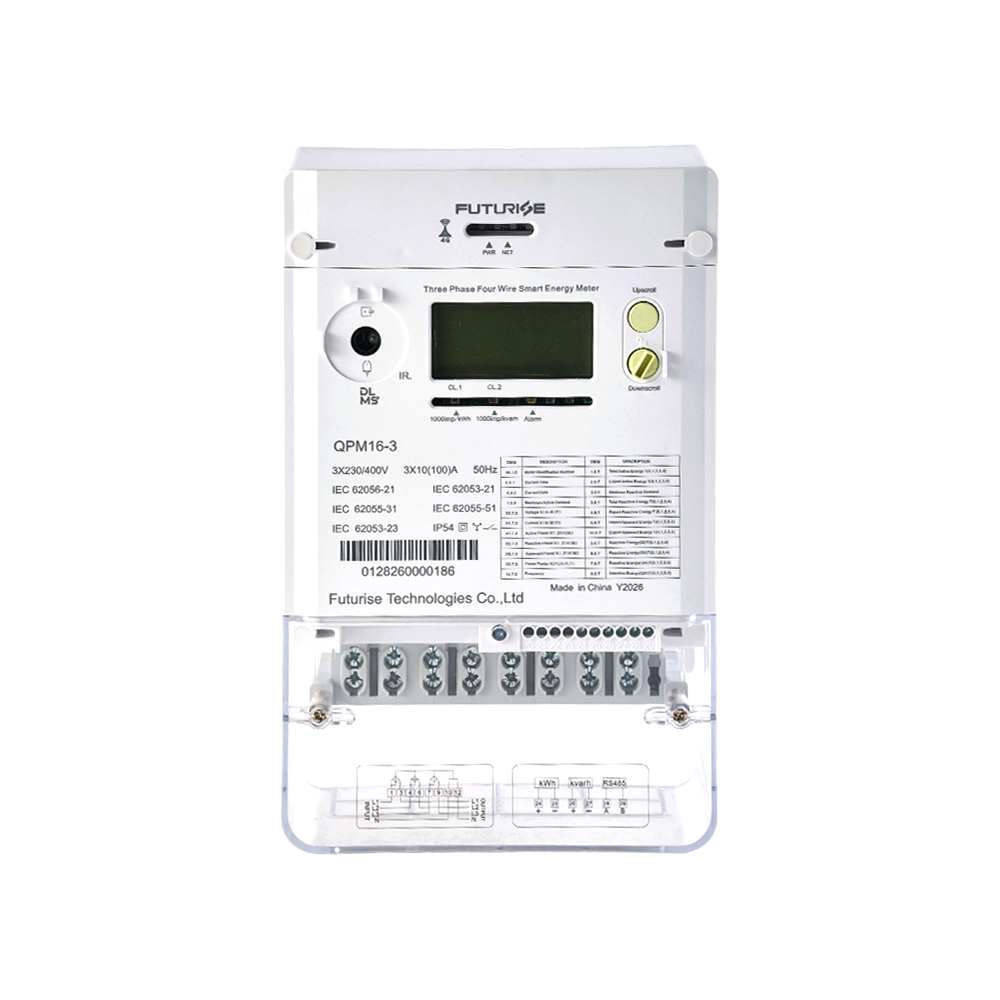
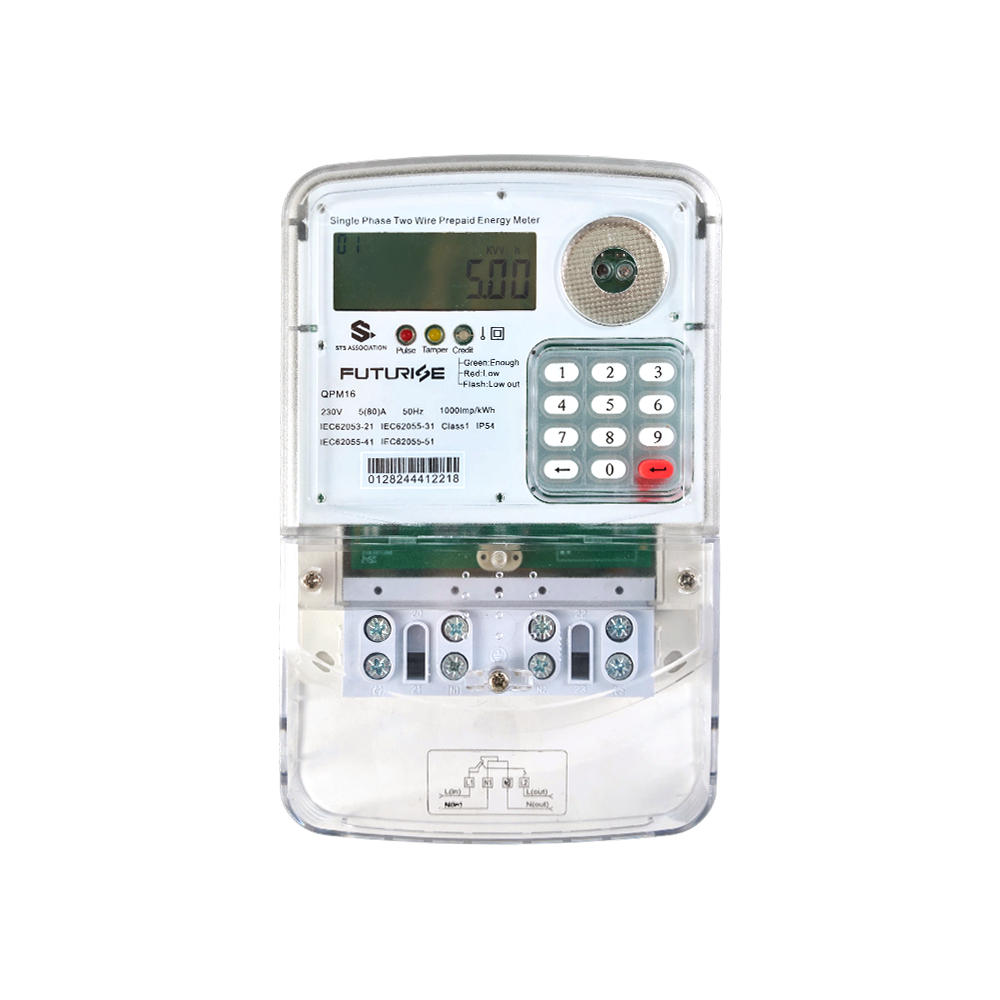
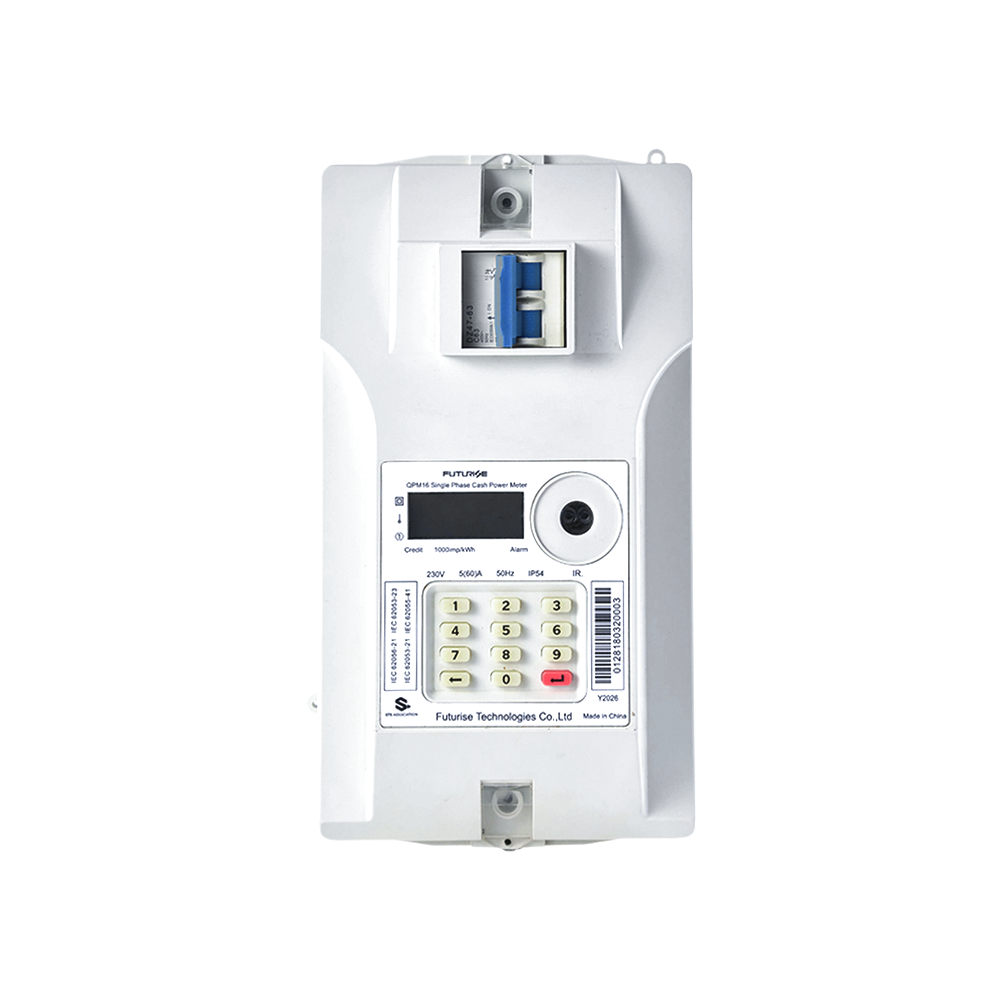
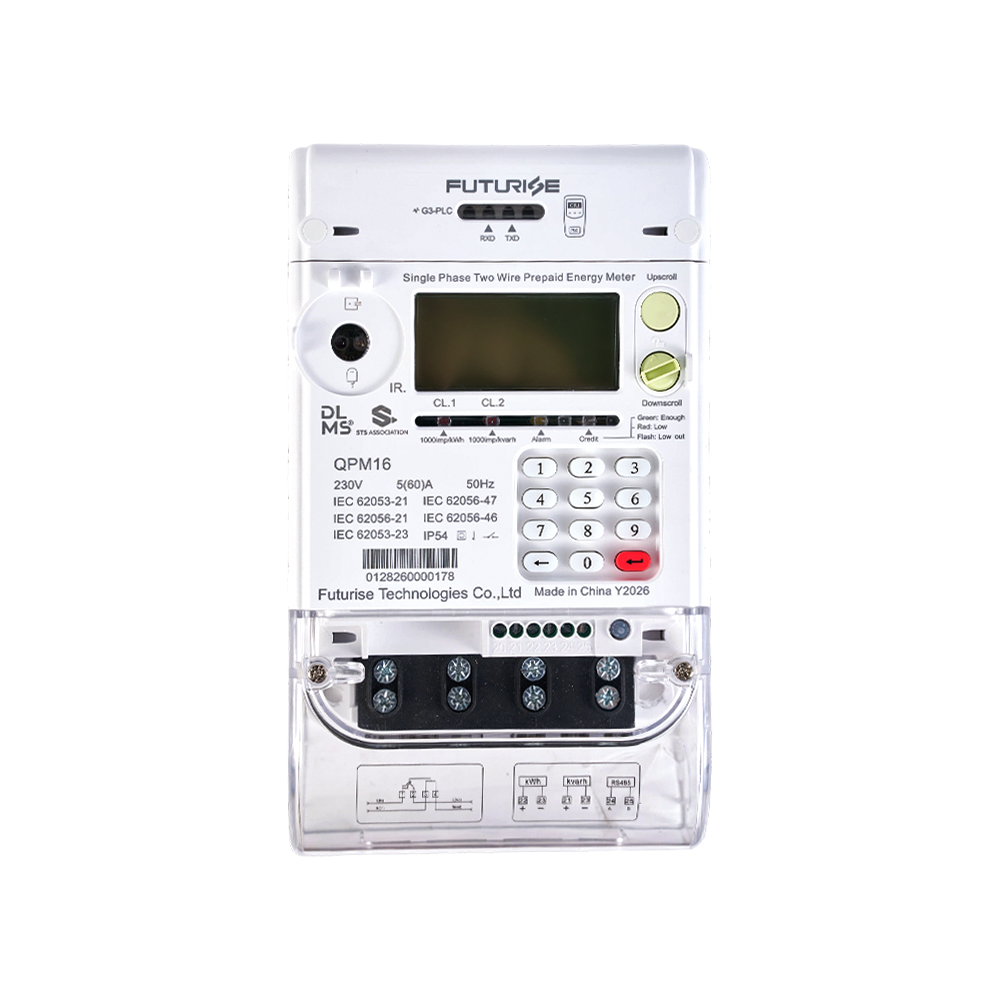
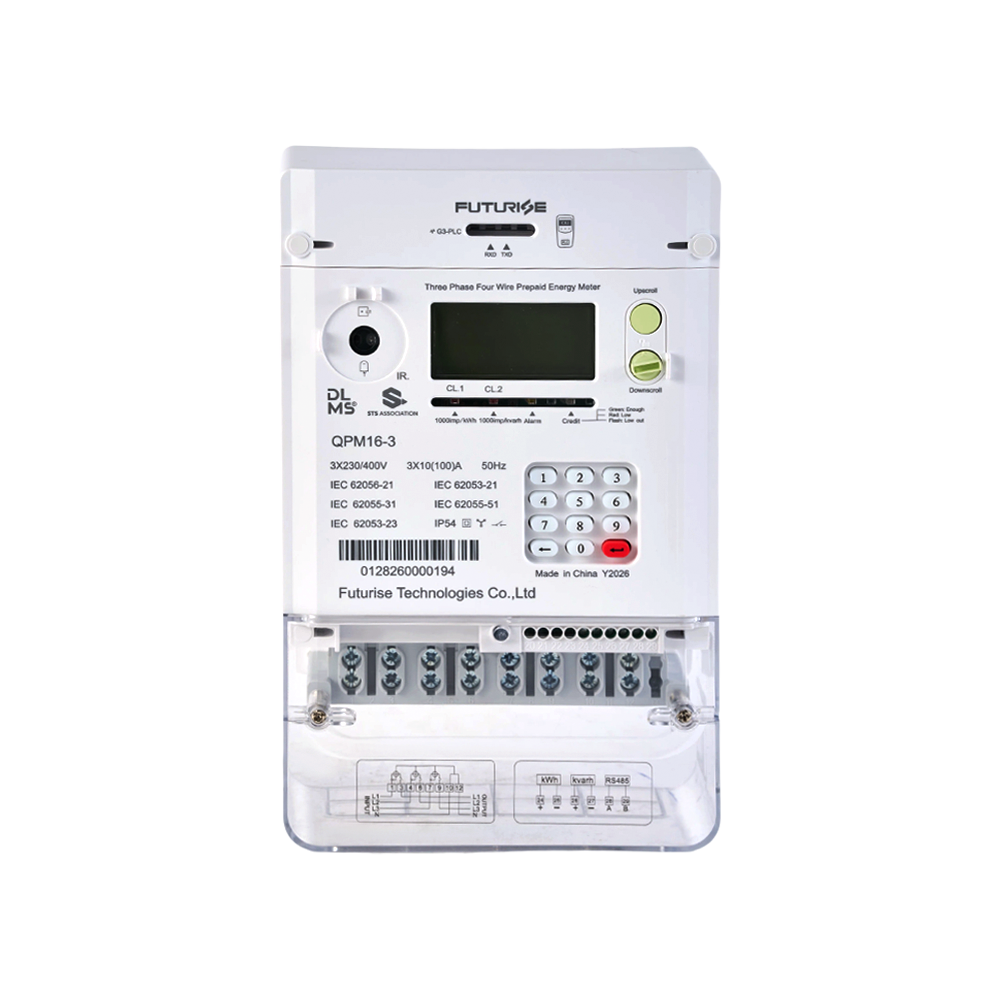
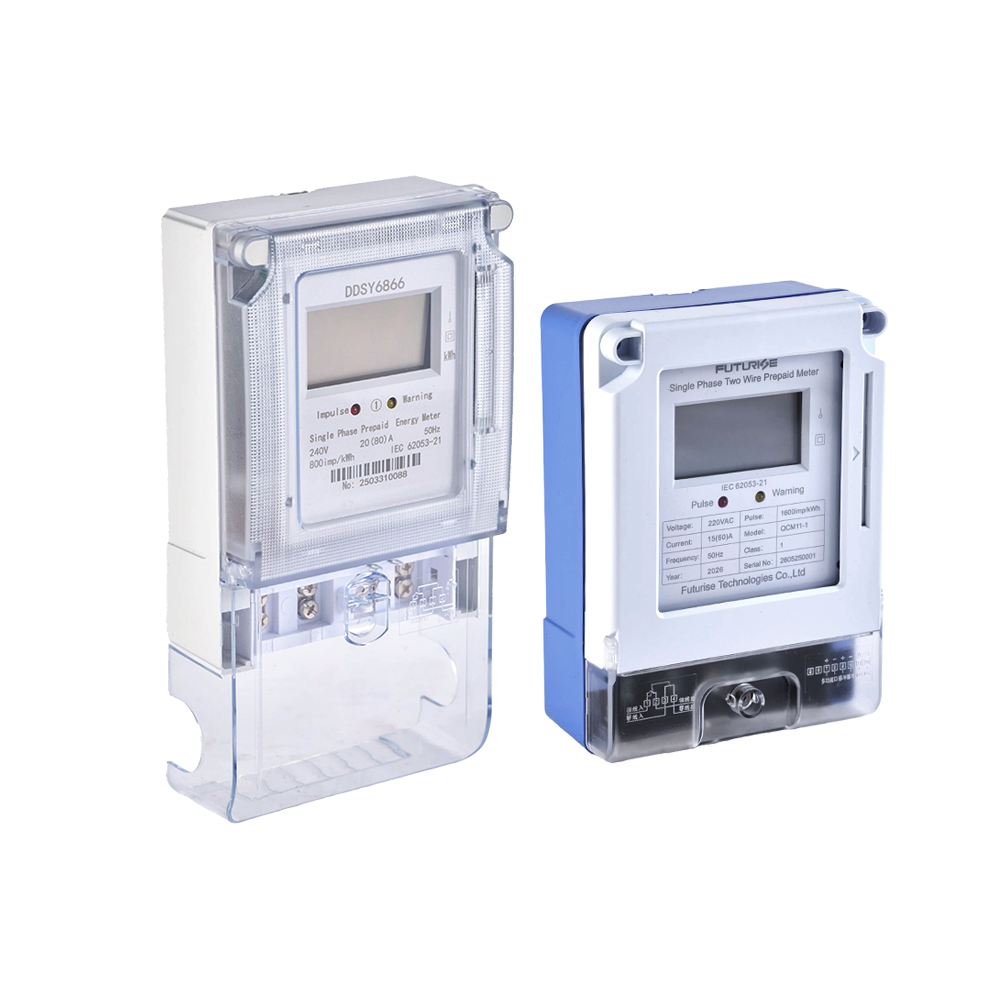
The global transition toward prepaid electricity metering has fundamentally reshaped how utilities and property managers approach revenue collection, consumption transparency, and grid efficiency. Across Africa, South America, and the Middle East, prepaid metering has become the preferred model for residential, commercial, and utility-scale deployments, driven by its ability to eliminate billing disputes, reduce non-technical losses, and empower end-users with real-time consumption visibility. This article examines the critical dimensions of prepaid metering solutions—from the technical standards that ensure interoperability, to the specific application requirements of multi-tenant housing, to the regional certification frameworks that govern market access in key territories.
STS Prepaid Meter Vending System: The Global Standard for Secure Token-Based Prepayment
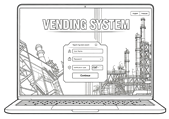
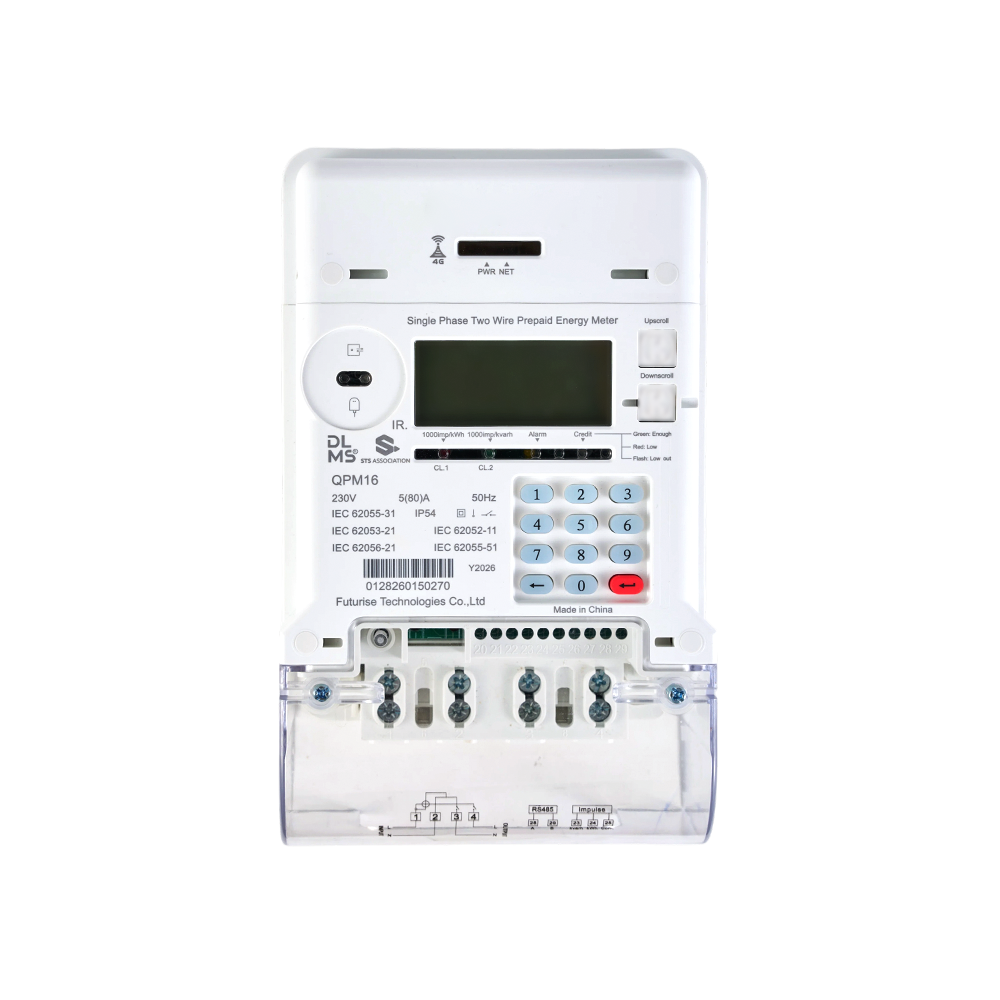
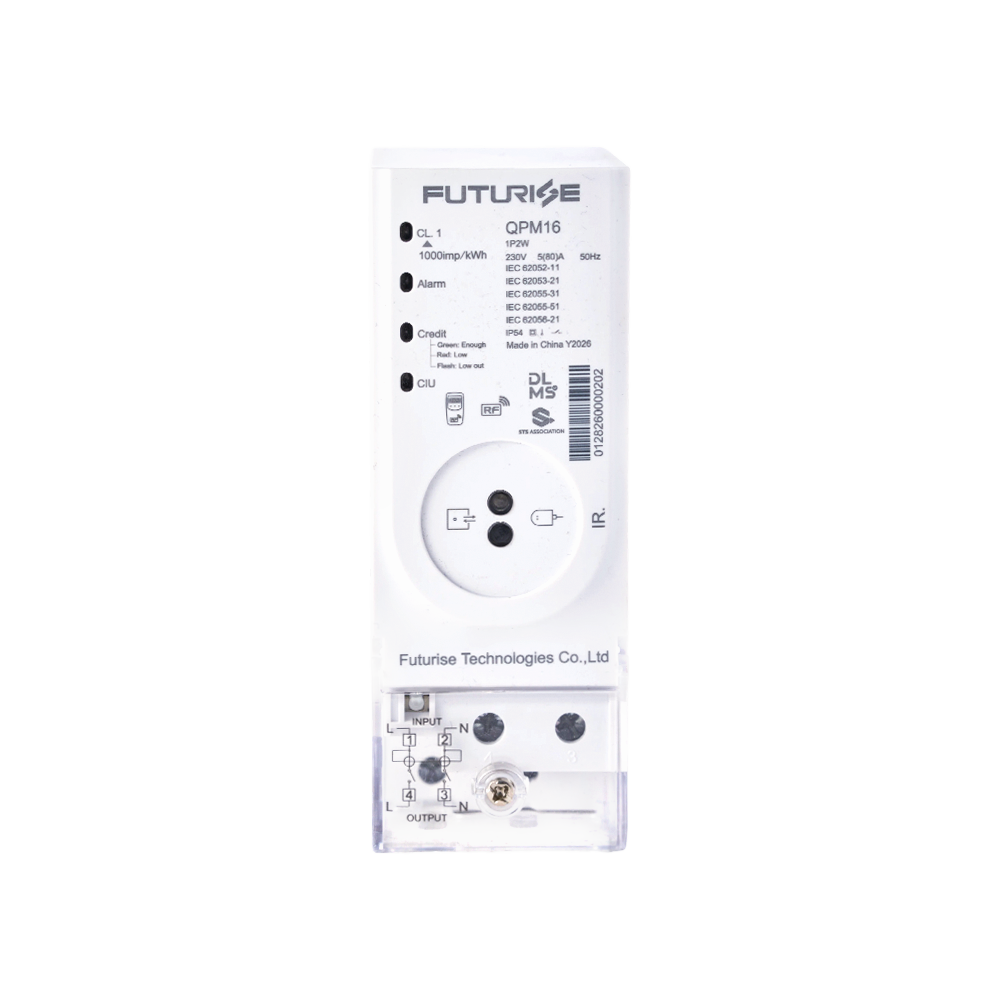
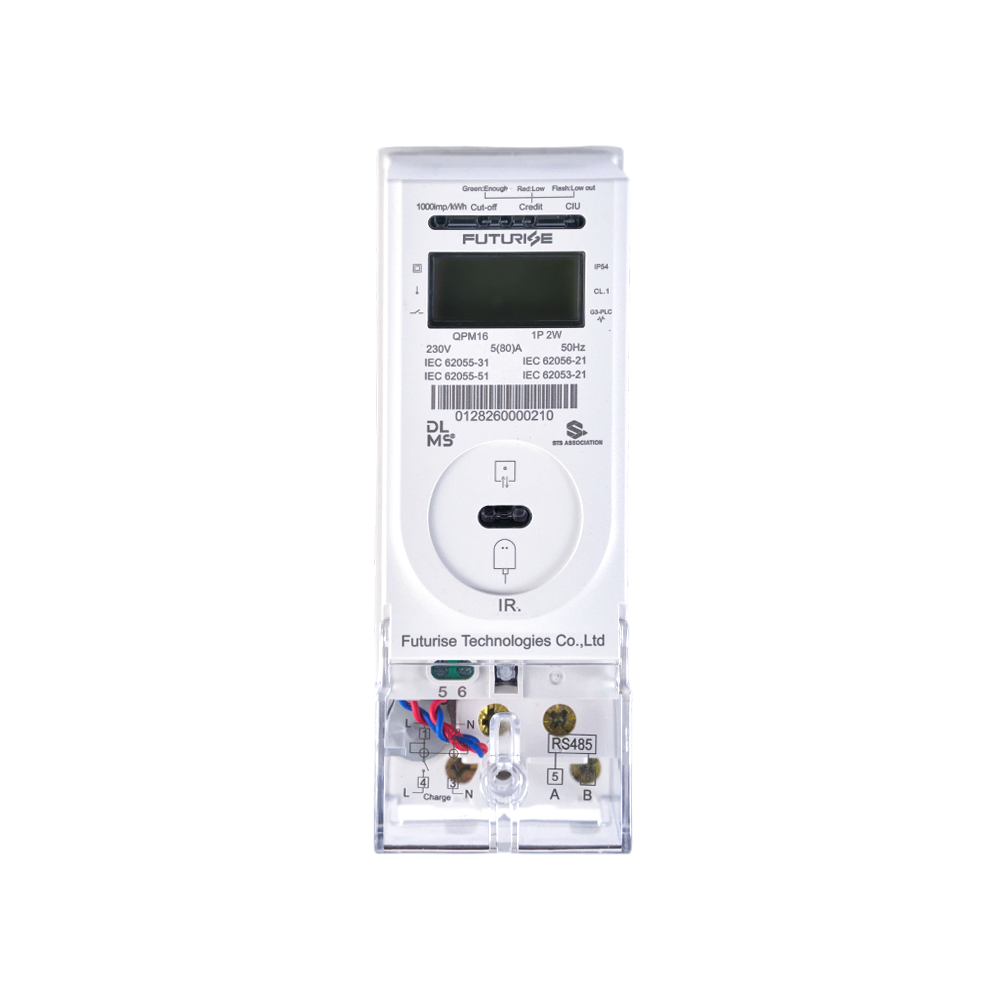
At the heart of every modern prepaid metering deployment lies the STS prepaid meter vending system. The Standard Transfer Specification (STS) is the only globally recognized international standard for the secure transfer of prepaid utility credits, codified under the IEC 62055 series. An STS prepaid meter vending system ensures that tokens generated by any compliant vending platform—whether a physical vending station, a mobile money gateway, or an online payment portal—can be accepted by any STS-certified meter, regardless of manufacturer. This interoperability is fundamental to protecting utility investments and preventing vendor lock-in, a critical consideration for large-scale infrastructure projects.
Founded in 2002, FUTURISE has been an active STS Association member since 2013, ensuring that its prepaid metering solutions comply with the latest cryptographic protocols, including the transition from DES to AES-128 encryption. The STS prepaid meter vending system operates on a straightforward yet highly secure principle: each transaction generates a unique 20-digit token code that is mathematically impossible to replicate or reverse-engineer. This token encodes the credit amount, tariff information, and meter identification data, and can only be decrypted by the specific meter for which it was generated. The result is a system that protects both the utility's revenue stream and the consumer's purchased credit against fraud and tampering.
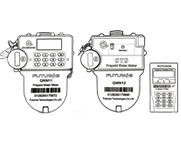
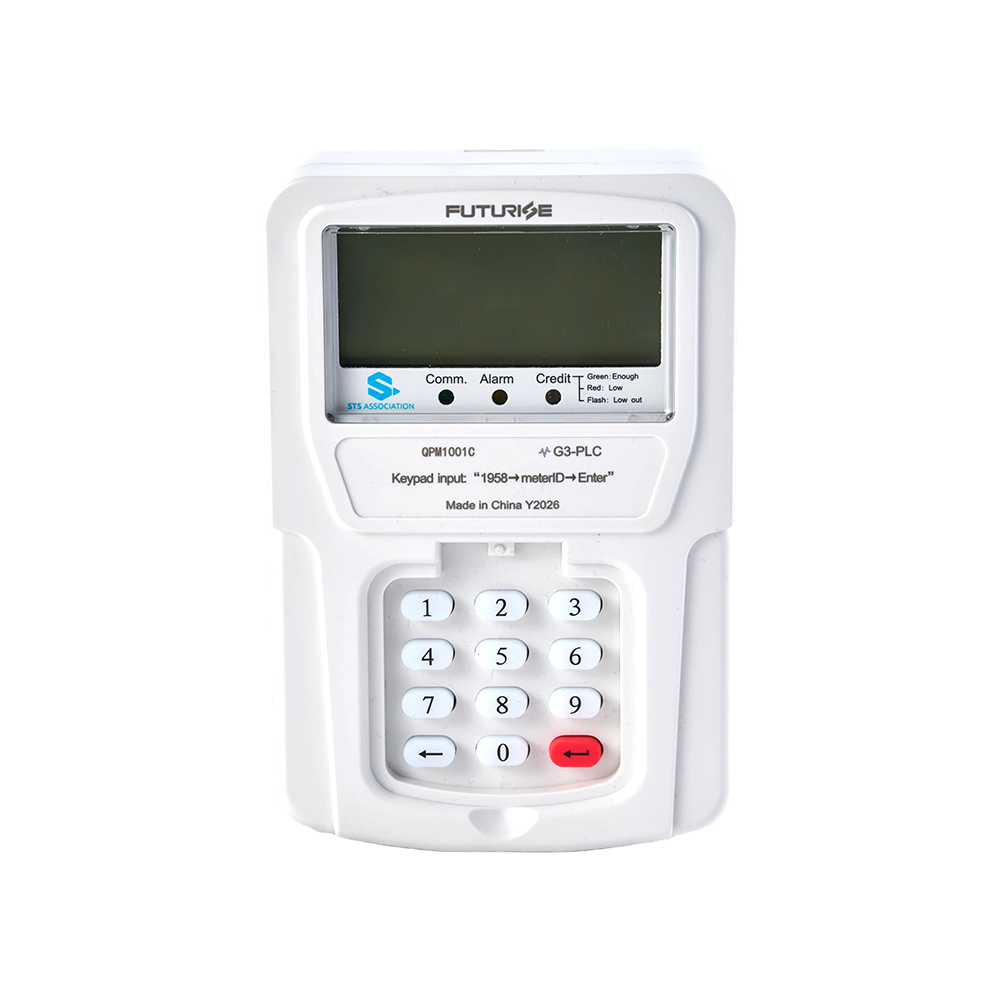
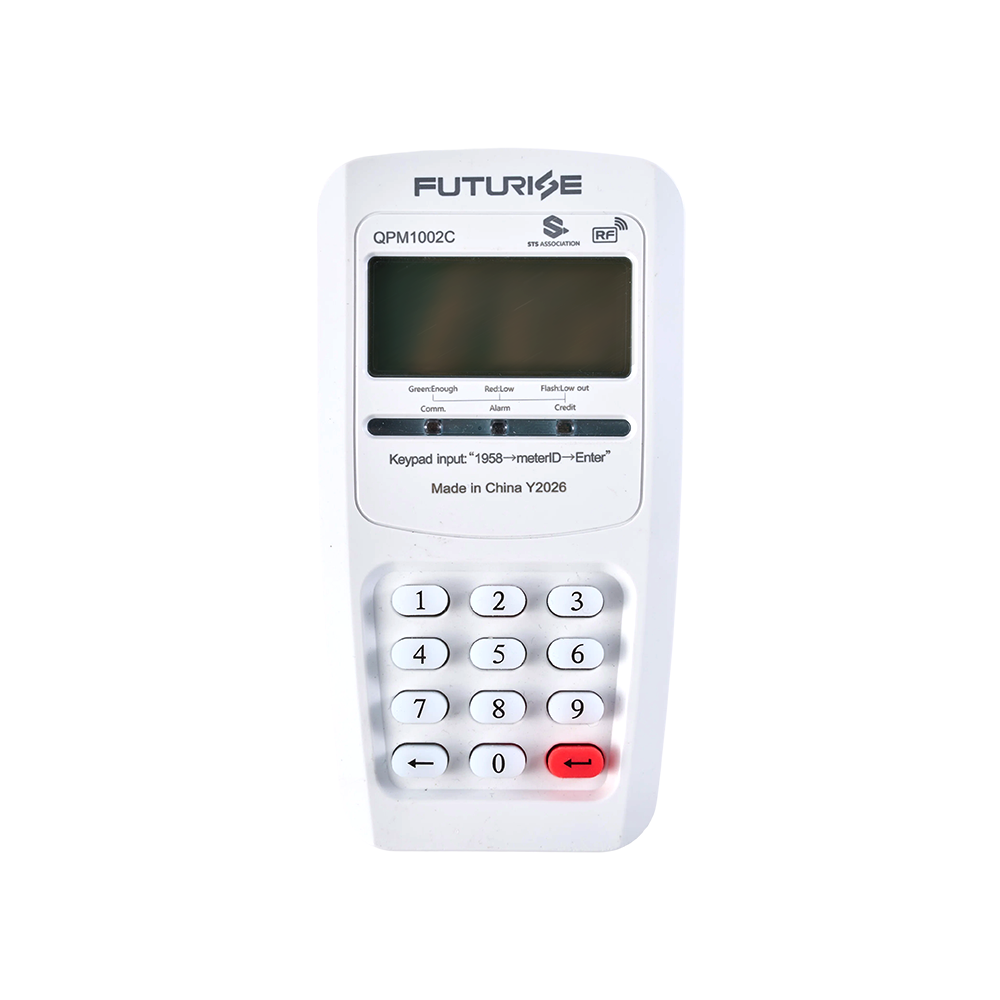
Key technical advantages of the STS framework include its ability to support multiple tariff structures—such as time-of-use rates, inclining block tariffs, and seasonal pricing—through encrypted tariff tokens that can be remotely distributed without physical meter intervention. The system also accommodates both online and offline operation, making it particularly suitable for regions with unreliable telecommunications infrastructure. FUTURISE's STS-compliant vending platforms integrate seamlessly with mobile payment ecosystems, enabling consumers in remote areas to purchase electricity credits via basic mobile phones and enter the token directly on their meter keypad. This accessibility has been a major driver of prepaid adoption across African markets, where mobile money penetration often exceeds traditional banking infrastructure.
Core Components of an STS Vending Infrastructure
- ✓ Token Generation System (TGS): The software platform that generates unique 20-digit tokens based on the meter's serial number, credit amount, and tariff code, using AES-128 encryption.
- ✓ STS-Certified Meters: Meters that have passed rigorous testing to ensure compliance with IEC 62055-41/51, guaranteeing accurate token decryption and credit management.
- ✓ Vending Channels: Physical vending stations, mobile money gateways, USSD interfaces, and web portals that enable consumers to purchase tokens conveniently.
- ✓ Tariff Management Module: The administrative interface that allows utilities to define, update, and distribute tariff structures via encrypted tariff tokens.
Prepaid Meters for Apartment and Multi-Tenant Applications
The selection of an appropriate prepaid meter for apartment installations presents unique challenges that distinguish this application from single-family residential or commercial deployments. Apartment buildings typically feature shared electrical infrastructure, complex ownership structures, high tenant turnover rates, and diverse consumption patterns across units. An effective prepaid meter for apartment solution must therefore address these challenges through a combination of compact physical design, user-friendly interfaces, robust revenue protection, and flexible integration capabilities.
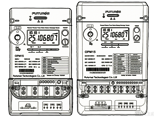
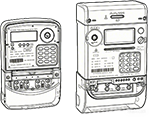
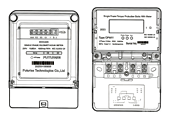
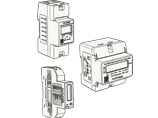
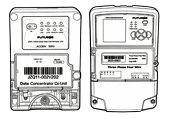
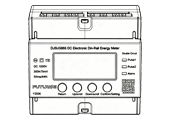
FUTURISE's prepaid metering portfolio includes models specifically engineered for multi-tenant environments, such as the QSM11 single-phase and QSM31 three-phase series. These meters feature a compact, din-rail mountable form factor that enables high-density installation in meter banks within apartment common areas—a critical consideration when space is limited. The clear, backlit LCD displays provide tenants with real-time visibility into remaining credit, cumulative consumption, and current tariff information, reducing the frequency of customer inquiries to property management offices.
For property managers and housing authorities, the prepaid meter for apartment configuration offers substantial operational advantages. The elimination of monthly billing cycles removes the administrative burden of invoice generation, distribution, and payment collection. Consumption disputes, which are a common source of friction in traditional postpaid apartment metering, are virtually eliminated because tenants pay for electricity before consumption. Furthermore, the remote disconnect functionality available in many prepaid meter models enables property managers to manage non-paying tenants without physical site visits, significantly reducing operational costs.
Technical considerations for apartment deployments include the meter's ability to support multiple tariff structures—such as time-of-use rates for different tenant categories or inclining block tariffs that encourage conservation. The meters must also integrate with building management systems where required, providing consumption data via pulse outputs, Modbus, or Mbus protocols. FUTURISE's apartment-focused prepaid meters are designed with modular communication interfaces, allowing property managers to start with keypad-based token entry and upgrade to remote reading and control as the building's digital infrastructure matures. With more than 50 million meters installed globally, FUTURISE brings extensive field experience to apartment metering projects across diverse markets.
Key Benefits for Apartment Deployments
- 1 Zero billing disputes: Tenants control their own consumption and credit purchases, eliminating conflicts over estimated readings or shared charges.
- 2 Reduced administrative workload: Automated vending and token management eliminate manual meter reading, invoice printing, and payment reconciliation.
- 3 Multiple payment channels: Tenants can purchase credit via on-site vending machines, mobile money, online portals, or authorized retail agents.
- 4 Tamper-resistant design: Advanced algorithms detect magnetic interference, bypass attempts, and other fraud methods, protecting property owners from energy theft.
Regional Approvals: NEMSA Prepaid Meter Certification and KPLC Market Requirements
Market access for prepaid metering products in key African territories requires careful attention to regional certification frameworks. In Nigeria, the Nigerian Electricity Management Services Agency (NEMSA) mandates that all metering equipment deployed in the country undergo rigorous testing and approval. A NEMSA prepaid meter certification signifies that the product meets Nigerian technical standards for accuracy, safety, environmental durability, and communication protocols. NEMSA approval is not merely a regulatory formality—it is a prerequisite for participation in the national Meter Asset Provider (MAP) program, which has driven the deployment of over 187,000 meters in the first quarter of 2025 alone.
The NEMSA prepaid meter approval process involves comprehensive testing of the meter's accuracy across specified load ranges, verification of tamper detection and anti-fraud mechanisms, validation of STS token handling and decryption, and assessment of the meter's ability to withstand Nigeria's diverse climatic conditions—from the humidity of Lagos to the dry heat of the northern regions. FUTURISE supports its distribution partners and utility clients throughout this approval process, providing technical documentation, test samples, and engineering consultation to expedite certification.
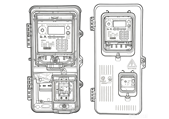
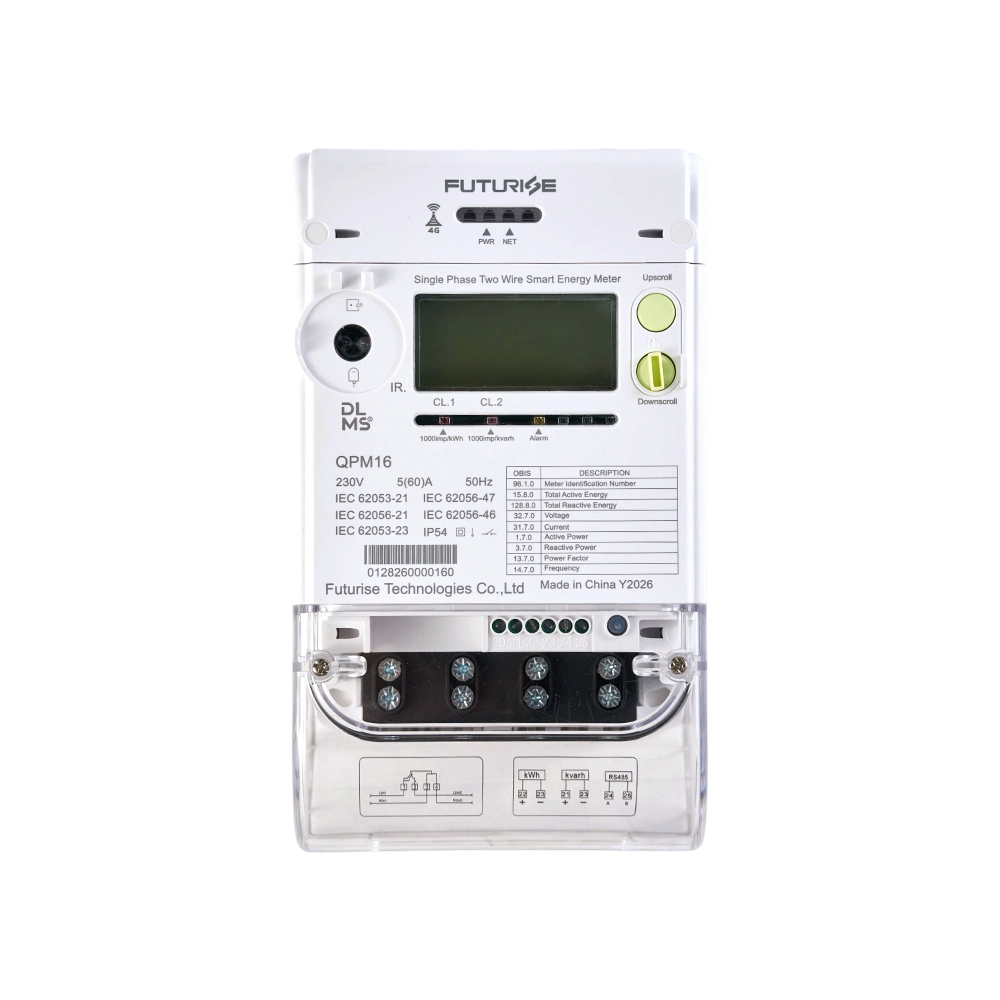
In Kenya, the market is dominated by Kenya Power and Lighting Company (KPLC), which has successfully implemented prepaid metering as the standard for residential and commercial connections across the country. A KPLC single phase sub meter must be compatible with KPLC's STS-based vending infrastructure and token generation systems. The KPLC single phase sub meter configuration is typically installed downstream of the main KPLC supply meter, providing property owners and housing developers with the ability to accurately monitor and bill individual tenants or units. For commercial and multi-tenant buildings, a KPLC single phase sub meter deployment enables transparent cost allocation while maintaining full compliance with KPLC's metering regulations.
The broader East African market has also seen significant growth in prepaid metering adoption, with the kenya token prepaid meter model serving as a benchmark for neighboring countries. A kenya token prepaid meter is distinguished by its STS compliance, compatibility with KPLC's vending channels (including mobile money integration), robust battery backup to maintain tariff settings during power outages, and user-friendly interfaces that accommodate varying literacy levels. FUTURISE's experience in supplying STS-compliant prepaid meters to the Kenyan market—alongside deployments in Togo and other African countries—provides assurance of product reliability and regulatory compliance in this demanding environment.
Comparative Overview of Regional Requirements
| Requirement / Market |
Nigeria (NEMSA) |
Kenya (KPLC) |
Other African Markets |
| STS Compliance |
Mandatory (IEC 62055) |
Increasingly required |
| Local Certification |
NEMSA approval required |
KPLC technical approval |
Varies by country |
| Accuracy Class |
Class 1 minimum |
Class 1 minimum |
Class 1 or Class 2 |
| Payment Channels |
Vending stations, mobile money |
Mobile money, KPLC vending |
Mobile money, vending stations |
| Climatic Requirements |
Humid coastal to arid northern |
Tropical with variable humidity |
Varies by region |
How to Select the Right Prepaid Metering Partner
When evaluating suppliers of prepaid metering solutions, procurement teams and project developers should consider the following criteria to ensure a successful long-term partnership:
- ✓ Standards certification: Verify the supplier's STS Association membership and DLMS/COSEM compliance to ensure interoperability and long-term system compatibility.
- ✓ Regional approval support: Assess the supplier's experience and capability in obtaining local certifications such as NEMSA in Nigeria or KPLC approvals in Kenya.
- ✓ Manufacturing scale and quality: Evaluate the supplier's production capacity, quality control systems, and track record in delivering bulk orders consistently.
- ✓ Customization flexibility: Confirm the supplier's ability to adapt products to local voltage ratings, communication protocols, and tariff structures.
- ✓ Field experience: Review reference deployments and case studies from similar markets to validate product performance under local conditions.
FUTURISE, as a professional provider of smart metering and energy solutions with over two decades of industry experience, offers the certification depth, manufacturing scale, and global project expertise required for successful prepaid metering deployments. For detailed product specifications, regional approval support, or custom solution inquiries, visit the STS prepaid meter vending system product page to explore the full portfolio of STS-compliant prepaid metering solutions.
Frequently Asked Questions
Q1: What is an STS prepaid meter vending system and why is it important?
An STS prepaid meter vending system is a secure platform that generates unique 20-digit tokens for prepaid electricity purchases, governed by the IEC 62055 standard. STS ensures interoperability between different brands of meters and vending systems, preventing vendor lock-in and protecting the utility's long-term investment. FUTURISE has been an STS Association member since 2013, ensuring its products comply with the latest AES-128 encryption standards.
Q2: What should I consider when selecting a prepaid meter for apartment buildings?
A prepaid meter for apartment installations should support easy token entry, clear consumption display, and robust tamper detection. Consider the number of units to be metered, the available installation space, communication requirements for remote monitoring, and the specific tariff structures applicable in your region. Modular meters that allow future communication upgrades are particularly valuable for protecting capital investment.
Q3: What is NEMSA prepaid meter certification and why is it required in Nigeria?
A NEMSA prepaid meter certification is mandatory for all metering equipment deployed in Nigeria. The Nigerian Electricity Management Services Agency verifies that meters meet local accuracy, safety, and durability standards. NEMSA approval is a prerequisite for participation in the national Meter Asset Provider (MAP) program. FUTURISE provides technical support to help distributors and utilities obtain NEMSA approval for their prepaid metering products.
Q4: How does a KPLC single phase sub meter work in Kenya?
A KPLC single phase sub meter is installed downstream of the main KPLC supply meter to monitor and bill individual tenants or units within a property. These sub-meters can be configured as prepaid (STS token-based) or postpaid, depending on the property management arrangement. They must be compatible with KPLC's STS-based vending infrastructure and Kenyan regulatory requirements.
Q5: What makes a kenya token prepaid meter suitable for the local market?
A kenya token prepaid meter should be STS-compliant, KPLC-compatible, and built to withstand local environmental conditions. Key features include battery backup for tariff retention during outages, user-friendly interfaces, and support for multiple payment channels including mobile money integration. FUTURISE's global deployment experience—with more than 50 million meters installed worldwide—ensures product reliability across diverse market conditions.