
Home / Products / Electronic Meter

Electronic Meter

Comprehensive Metering Products
About Us
Futurise Technologies Co., Ltd.

Founded in 2002, FUTURISE is a professional China Electronic Meter Manufacturers and Electronic Meter company, dedicated to delivering reliable, efficient, and innovative products to global markets.

With over two decades of industry experience, our products have been widely deployed across Africa, South America, and the Middle East. To date, more than 50 million meters have been installed worldwide, with products recognized and approved by local utilities.

We specialize in smart meters, prepaid metering solutions, and energy management systems, supporting diverse applications across residential, commercial, industrial, and utility sectors.

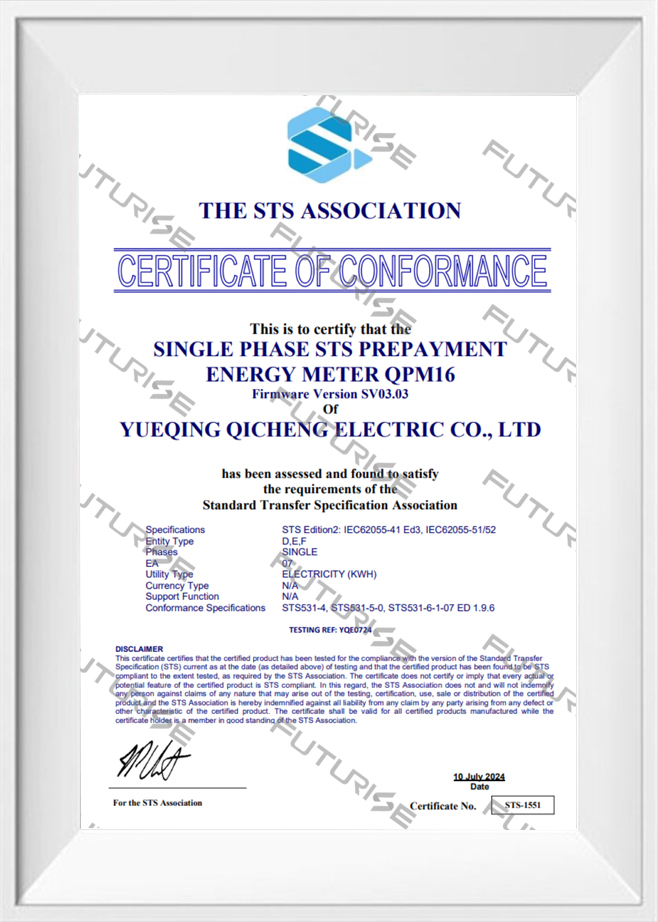
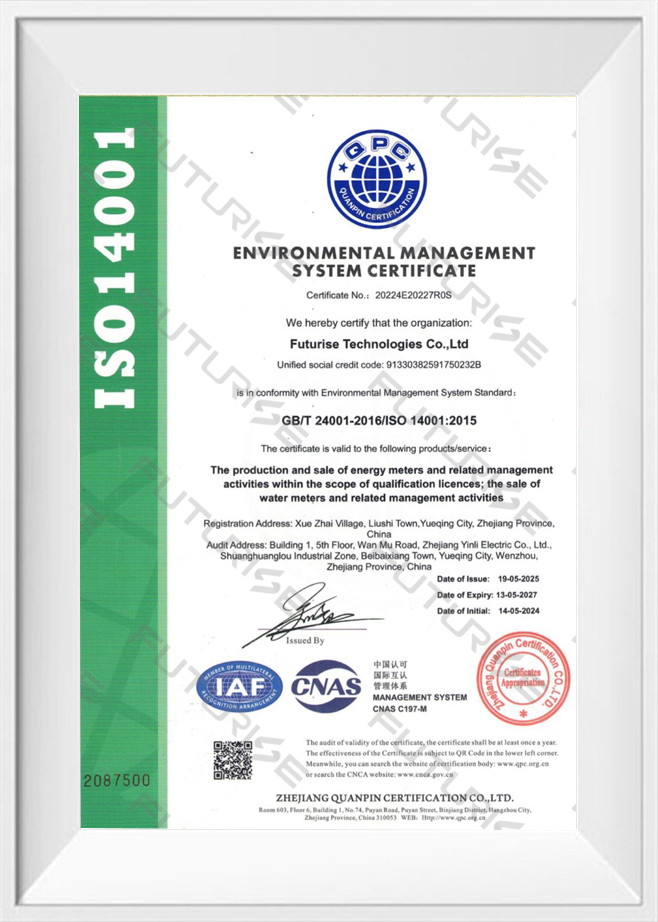
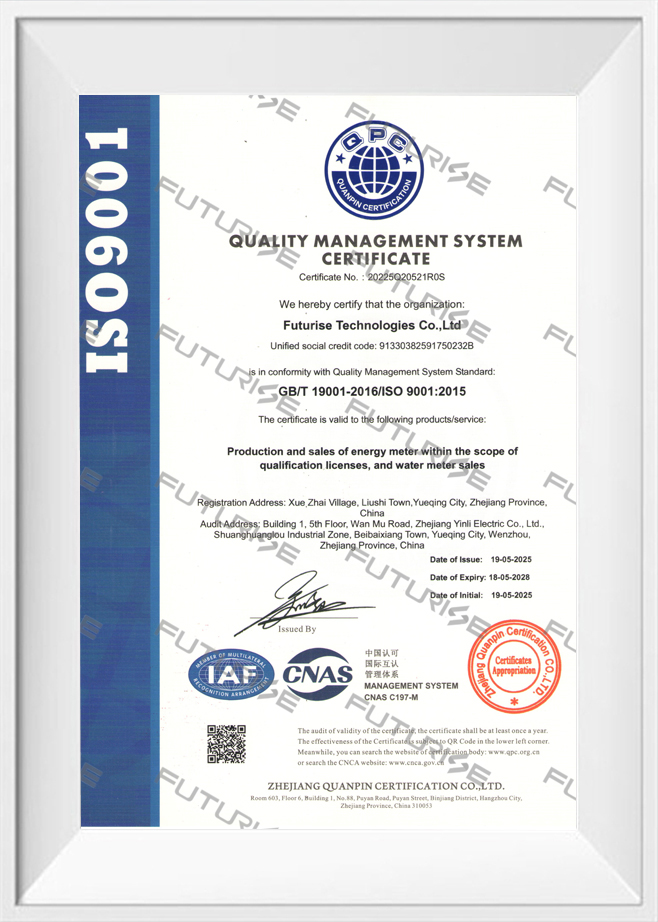
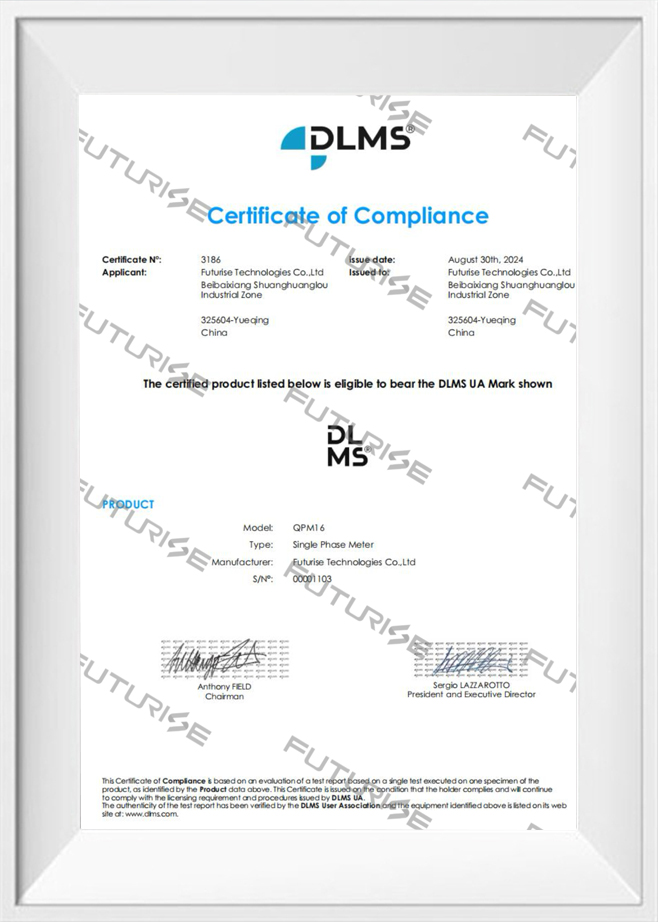
Our products comply with international standards such as STS, DLMS/COSEM, MID, and ISO, ensuring secure communication, accurate metering, and long-term performance in various environments.

FUTURISE is committed to continuous innovation and customer-oriented solutions, working closely with global partners to support efficient energy management and sustainable development.
Certificate Of Honor
Blog
  • During a 2024 procurement audit, an East African distribution utility found that its three meter suppliers ran two proprietary prepayment platforms that could not read each other's tokens. Customers walked past nearby vendors to reach the single kiosk that sold credit for their specific meter bran...

    READ MORE
  • On procurement desks across Africa, South America and the Middle East, tender documents often compress the two technologies into a single line item: smart prepaid meters. The wording hides a decision that deserves two lines. A smart meter and a prepaid meter solve different utility problems, one i...

    READ MORE
  • A pallet of smart meters can pass safety testing in Rotterdam and still be legally worthless in Madrid if one detail is missing: the meters are not MID certified. Under European rules, an electricity meter without Measuring Instruments Directive approval cannot be used to bill a customer, and impo...

    READ MORE
Electronic Meter Industry knowledge

Electronic Meter Technology: The Digital Evolution of Energy Measurement

The transition from electromechanical to electronic metering represents one of the most significant technological shifts in the utility industry over the past three decades. Electronic meters—often referred to as digital or static meters—have fundamentally transformed how electricity consumption is measured, recorded, and managed. Unlike their mechanical predecessors that rely on rotating discs and moving parts, electronic meters utilize solid-state components, microprocessors, and precision analog-to-digital converters to deliver superior accuracy, reliability, and functionality. This article examines the technology, advantages, and applications of electronic meters, providing utilities, facility managers, and procurement professionals with a comprehensive understanding of this essential metering category.

What Is an Electronic Meter and How Does It Differ from Electromechanical Meters?

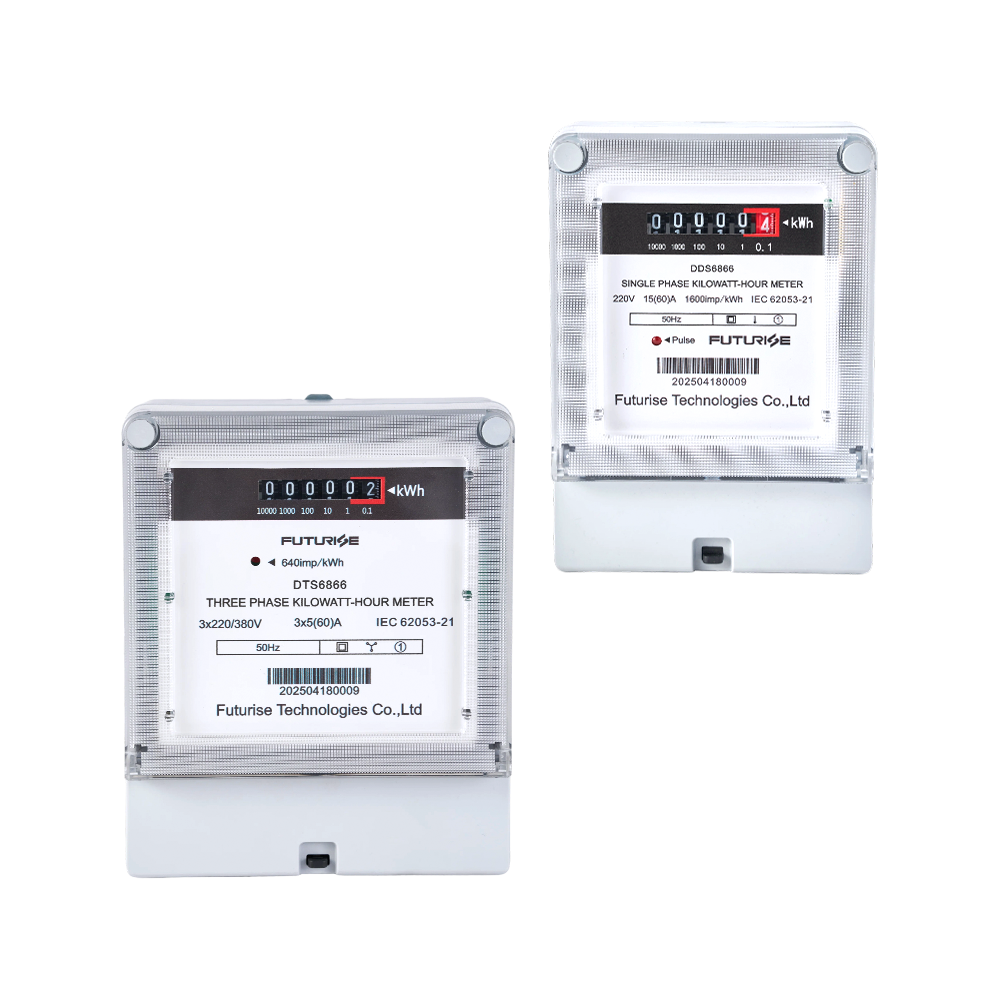
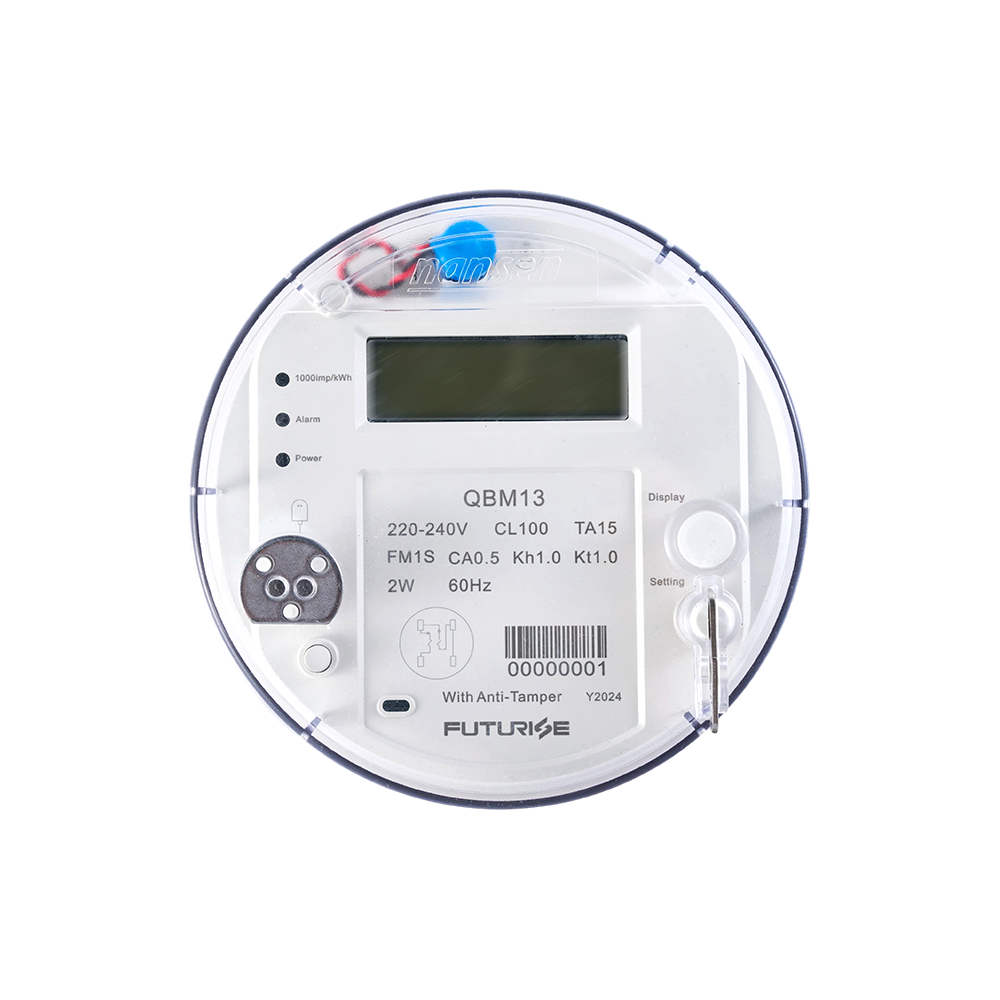
An electronic meter is a solid-state device that measures electrical energy consumption using digital processing techniques. Unlike electromechanical meters that use a rotating disc driven by electromagnetic fields to measure energy, electronic meters employ voltage and current sensors, analog-to-digital converters, and microprocessors to calculate energy consumption with exceptional precision. This fundamental difference in measurement methodology delivers several key advantages that have made electronic meters the preferred choice for modern utility applications.

The core technology of an electronic meter begins with precision sensors that capture voltage and current waveforms. These analog signals are converted to digital format using high-speed analog-to-digital converters, then processed by a microprocessor that calculates active energy, reactive energy, power factor, and other electrical parameters. The measurement accuracy of electronic meters is typically within ±0.5% to ±1.0%, significantly better than the ±2% to ±3% accuracy typical of aging electromechanical meters. This improved accuracy translates directly to more precise billing and reduced revenue loss for utilities.

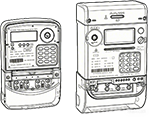
Founded in 2002, FUTURISE has established itself as a professional provider of smart metering and energy solutions, with electronic meters forming a core component of its product portfolio. The company's electronic meter offerings include single-phase and three-phase models designed for residential, commercial, and industrial applications. With more than 50 million meters installed globally and products recognized by local utilities across Africa, South America, and the Middle East, FUTURISE brings extensive field experience to the design and deployment of electronic metering solutions.

Key Advantages of Electronic Meters Over Electromechanical Meters

  • Superior accuracy: Electronic meters maintain stable accuracy across a wide load range, unaffected by mechanical wear, orientation, or magnetic fields.
  • No moving parts: Solid-state design eliminates mechanical wear and friction, resulting in longer operational life and reduced maintenance.
  • Tamper detection: Built-in magnetic shielding and tamper detection algorithms protect against energy theft.
  • Multi-function capability: Electronic meters can measure active and reactive energy, power factor, demand, and power quality parameters.
  • Communication-ready: Electronic meters can integrate with AMI systems through integrated communication modules.

Single-Phase Electronic Meters: The Residential Standard

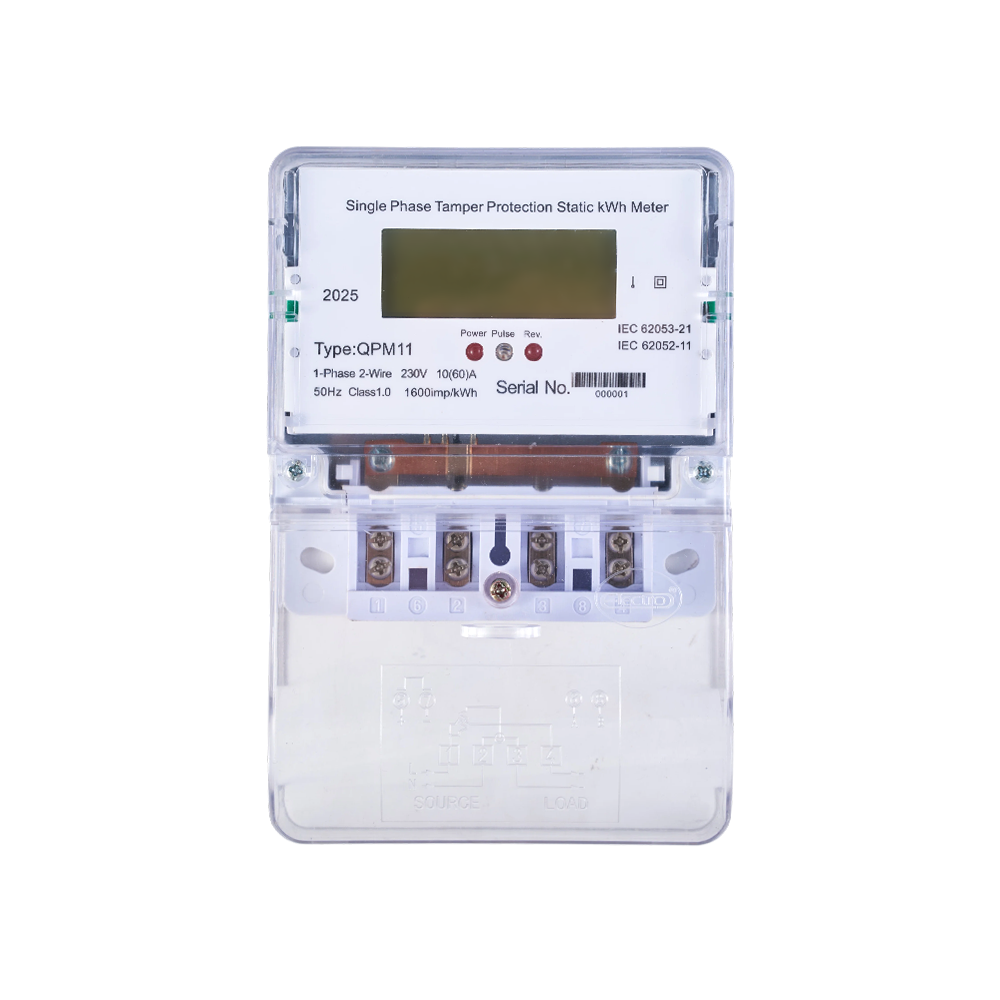
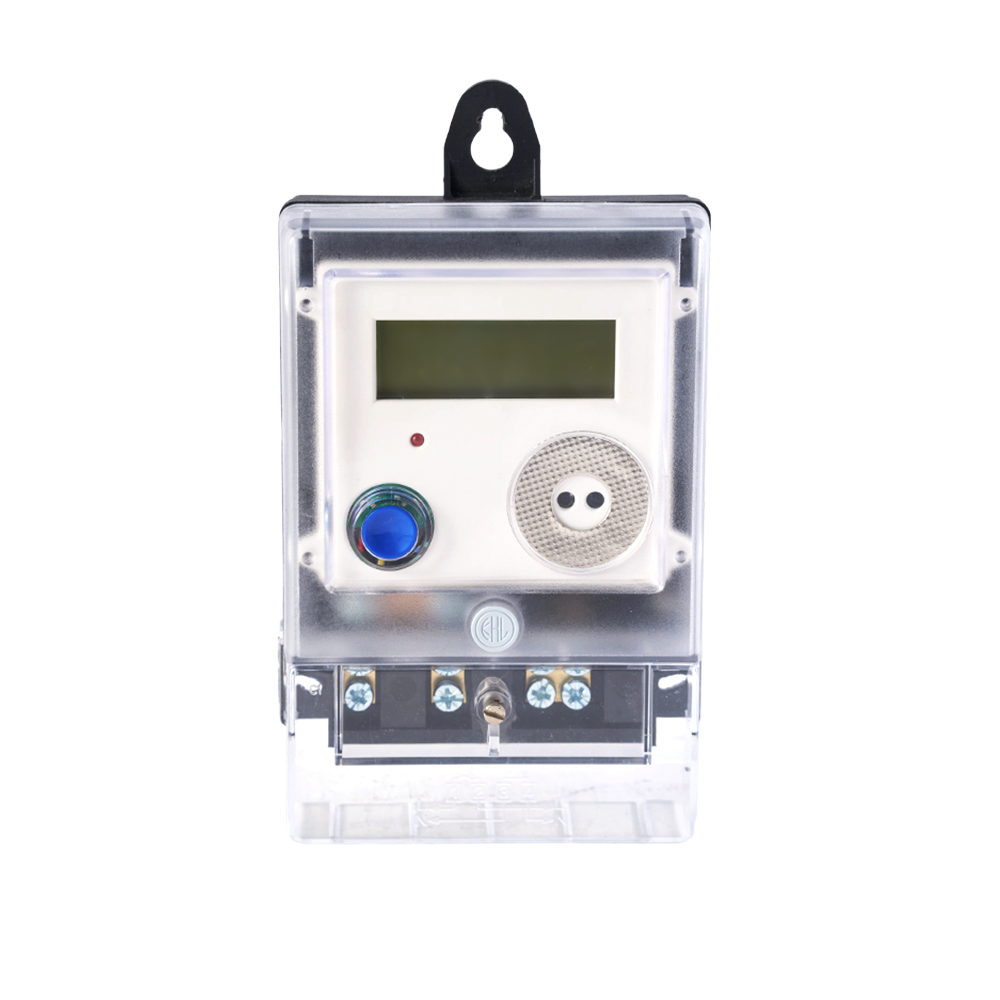
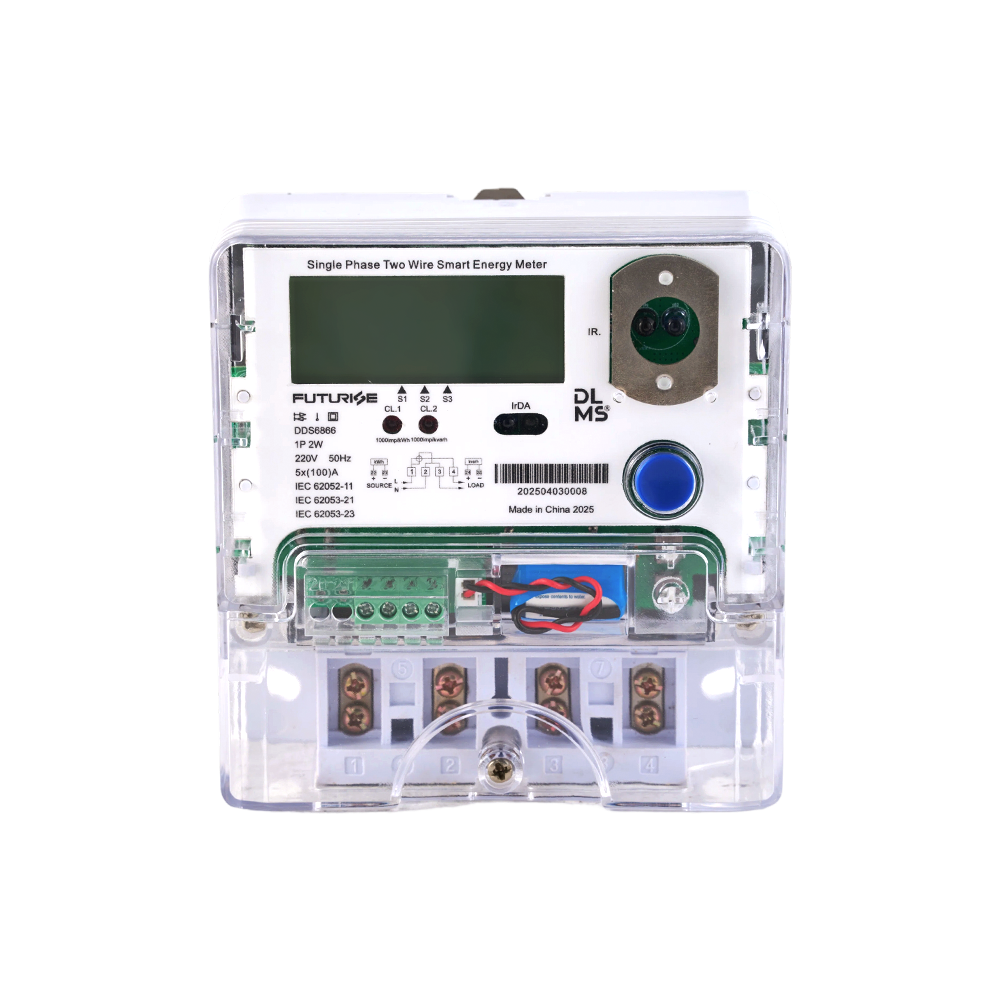
Single-phase electronic meters are the most widely deployed category of digital metering devices, serving residential households, small retail establishments, and light commercial premises. These meters measure electrical consumption in standard single-phase AC power systems, which constitute the vast majority of consumer connections worldwide. Electronic single-phase meters typically offer Class 1 accuracy and support a wide range of applications from basic consumption measurement to advanced prepaid functionality.

Core features of single-phase electronic meters include bi-directional energy measurement, clear LCD displays showing real-time consumption data, and modular communication options supporting PLC, RF, or cellular networks. The absence of moving parts eliminates the mechanical wear issues common in electromechanical meters, extending the meter's operational life and maintaining accuracy over time. For utilities managing large residential meter populations, the reliability of electronic meters translates to reduced field service costs and fewer customer complaints about billing accuracy.

Typical applications for single-phase electronic meters include residential smart grid deployments, where utilities benefit from automated meter reading and remote configuration capabilities; commercial sub-metering, where property owners allocate energy costs across multiple tenants; and prepaid metering programs, where electronic meters provide the security and functionality required for token-based credit management. FUTURISE's single-phase electronic meters are designed for straightforward field installation and long-term durability under typical household usage patterns.

Single-Phase Electronic Meter Specifications

  1. 1 Accuracy Class: Class 1 (standard residential accuracy) with stable performance across the full load range.
  2. 2 Communication options: PLC, RF mesh, RS-485, and optional cellular modules for AMI integration.
  3. 3 Operating temperature: -25°C to +60°C, suitable for diverse climatic conditions.
  4. 4 Standards compliance: IEC 62053, MID, and DLMS/COSEM for data interoperability.

Three-Phase Electronic Meters: Powering Commercial and Industrial Applications

Three-phase electronic meters are engineered for high-capacity electrical systems commonly found in commercial buildings, industrial facilities, and utility distribution substations. These meters measure consumption across three-phase AC power systems, delivering higher power capacity and greater efficiency for heavy loads such as motors, HVAC systems, industrial machinery, and large-scale lighting installations. Electronic three-phase meters offer enhanced accuracy, advanced power quality monitoring, and robust communication capabilities suitable for demanding operational environments.

Advanced technical features of three-phase electronic meters include higher current ratings (direct connection up to 100A or CT-connected for higher currents), broader voltage ranges, and enhanced accuracy classes (Class 0.5S or better) to support precise billing for high-consumption customers. These meters also offer advanced power quality analysis, including harmonic distortion measurement, voltage sag and swell detection, and power factor monitoring—capabilities essential for industrial energy management and grid stability assessment. Modern electronic meters are essentially becoming remote computing devices, with more memory, more communication channels, and embedded sensors for temperature and tilt monitoring.

FUTURISE offers three-phase electronic metering solutions that comply with international standards, ensuring interoperability with existing utility infrastructure. With more than 50 million meters installed globally and products recognized by local utilities across Africa, South America, and the Middle East, FUTURISE has demonstrated its ability to deliver high-quality electronic metering solutions at scale.

Key application scenarios for three-phase electronic meters include large commercial buildings requiring accurate billing for high-consumption tenants; industrial plants where energy consumption represents a significant operational cost requiring detailed monitoring; and utility distribution networks where transformers and feeders must be monitored for grid management and loss reduction programs.

Comparative Analysis: Single-Phase vs. Three-Phase Electronic Meters

Feature Single-Phase Electronic Meter Three-Phase Electronic Meter
Primary Application Residential, small retail, light commercial Commercial buildings, industrial plants, utility substations
Accuracy Class Class 1 Class 0.5S or better
Power Quality Monitoring Basic voltage and current THD, harmonics, sag/swell, power factor
Communication PLC, RF, RS-485, cellular PLC, RF, GPRS, RS-485, Ethernet
Typical Current Rating Up to 100A (direct) Up to 100A (direct) or CT-connected

The Evolution from Electronic Meters to Smart Meters

Electronic meters represent an important intermediate step in the evolution of metering technology. While basic electronic meters provide accurate digital measurement and local display, smart meters incorporate advanced communication capabilities that enable two-way data exchange between the meter and utility head-end systems. This evolution has been driven by the need for automated meter reading, remote configuration, demand response, and real-time grid monitoring.

Key differentiators between electronic and smart meters include communication capability—smart meters integrate RF, PLC, or cellular modules for network connectivity—and advanced functionality such as remote firmware updates, real-time load profiling, and outage detection. As highlighted in recent industry analysis, electric meters are essentially becoming remote computers with more memory, more channels, and sensors for monitoring diverse parameters. This transformation enables utilities to move beyond simple consumption measurement to distributed intelligence and grid-edge analytics.

FUTURISE offers electronic and smart metering solutions that comply with international standards such as STS, DLMS/COSEM, MID, and ISO, ensuring secure communication, accurate metering, and long-term performance in various environments. The company's commitment to continuous innovation and customer-oriented solutions has resulted in electronic meters that can be upgraded to smart meter functionality through modular communication modules, protecting utility investments as digital maturity increases.

Electronic Meter to Smart Meter Evolution

  • Basic electronic meter: Digital measurement, local display, pulse output for data collection.
  • AMI-ready electronic meter: Modular communication, remote reading capability, DLMS/COSEM compliance.
  • Smart meter: Two-way communication, remote configuration, real-time monitoring, distributed intelligence.
  • AMI 2.0: Enhanced computing power, edge analytics, integration with DER and IoT devices.

How to Select the Right Electronic Meter for Your Application

When evaluating electronic meters for metering projects, procurement teams, utility managers, and facility operators should consider the following criteria to ensure optimal system performance and long-term reliability:

  • Accuracy requirements: Determine the required accuracy class (Class 1 for residential, Class 0.5S for commercial/industrial) based on application needs.
  • Phase configuration: Select single-phase or three-phase based on the electrical service type of the site being metered.
  • Communication capability: Assess current and future AMI requirements—basic pulse output, modular communication, or full smart meter functionality.
  • Standards compliance: Verify IEC 62053, MID, and DLMS/COSEM compliance for regulatory acceptance and interoperability.

For detailed product specifications, technical documentation, or custom solution inquiries, visit the electronic meter product page to explore the full portfolio of single-phase and three-phase electronic metering solutions from FUTURISE.

Frequently Asked Questions

Q1: What is the difference between an electronic meter and an electromechanical meter?

An electronic meter uses solid-state components, microprocessors, and analog-to-digital converters to measure energy consumption digitally. An electromechanical meter uses a rotating disc driven by electromagnetic fields. Electronic meters offer superior accuracy, no moving parts, tamper detection, and multi-function capability, while electromechanical meters are subject to mechanical wear, friction, and environmental factors that can reduce accuracy over time.

Q2: What accuracy class should I choose for my application?

For residential and light commercial applications, Class 1 accuracy is typically sufficient. For commercial and industrial applications where precise billing for high-consumption customers is required, Class 0.5S or better is recommended. Legal metrology requirements in your jurisdiction may also specify minimum accuracy standards.

Q3: Can an electronic meter be upgraded to a smart meter?

Many electronic meters feature modular communication interfaces that support upgrades from basic metering to full AMI (Advanced Metering Infrastructure) capability. Plug-in communication modules (PLC, RF, cellular) enable remote reading, configuration, firmware updates, and integration with utility head-end systems. This modularity protects utility investments as digital maturity increases.

Q4: What standards do electronic meters comply with?

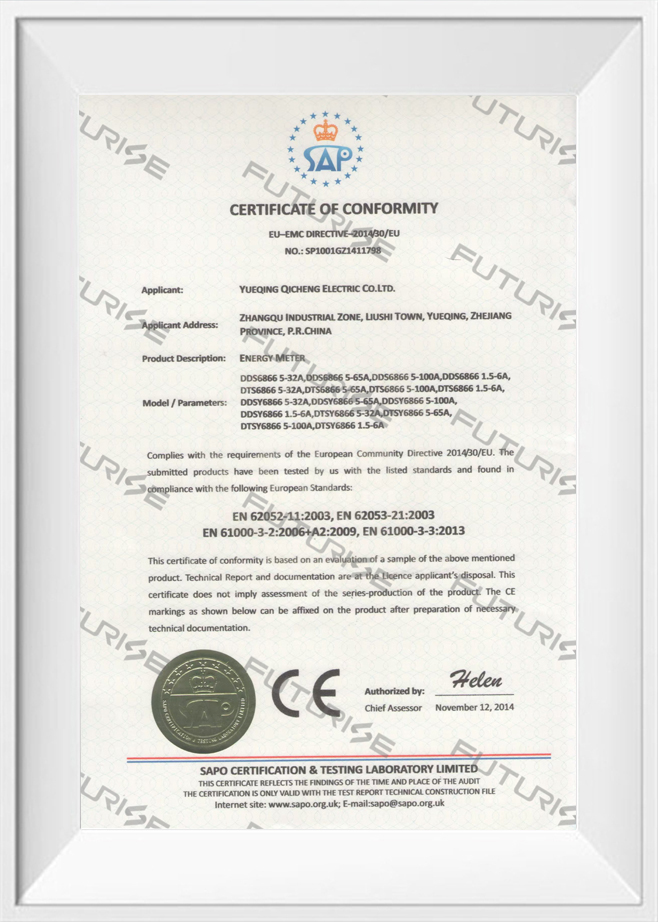
Modern electronic meters comply with IEC 62053 (accuracy requirements), IEC 62052-11 (general requirements), MID for European market approval, and DLMS/COSEM for communication interoperability. These certifications ensure product quality, accuracy, and regulatory acceptance across global markets.

Q5: Are electronic meters more accurate than electromechanical meters?

From a metrology perspective, both meter types can provide accurate readings when new and properly calibrated. However, electromechanical meters are subject to mechanical wear, friction, and environmental factors that can reduce accuracy over time—they often fail to register low loads and are sensitive to orientation and magnetic fields. Electronic meters use precision analog-to-digital converters and microprocessors, providing stable and accurate measurements across a wide load range throughout their operational life.