
Home / Products / Water Meter

Water Meter

Comprehensive Metering Products

Water Meter Manufacturers

Water meters help measure consumption accurately and support better billing, leak detection, and daily resource management. They are widely used in homes, buildings, and utility water networks.

About Us
Futurise Technologies Co., Ltd.

Founded in 2002, FUTURISE is a professional China Water Meter Manufacturers and Water Meter company, dedicated to delivering reliable, efficient, and innovative products to global markets.

With over two decades of industry experience, our products have been widely deployed across Africa, South America, and the Middle East. To date, more than 50 million meters have been installed worldwide, with products recognized and approved by local utilities.

We specialize in smart meters, prepaid metering solutions, and energy management systems, supporting diverse applications across residential, commercial, industrial, and utility sectors.

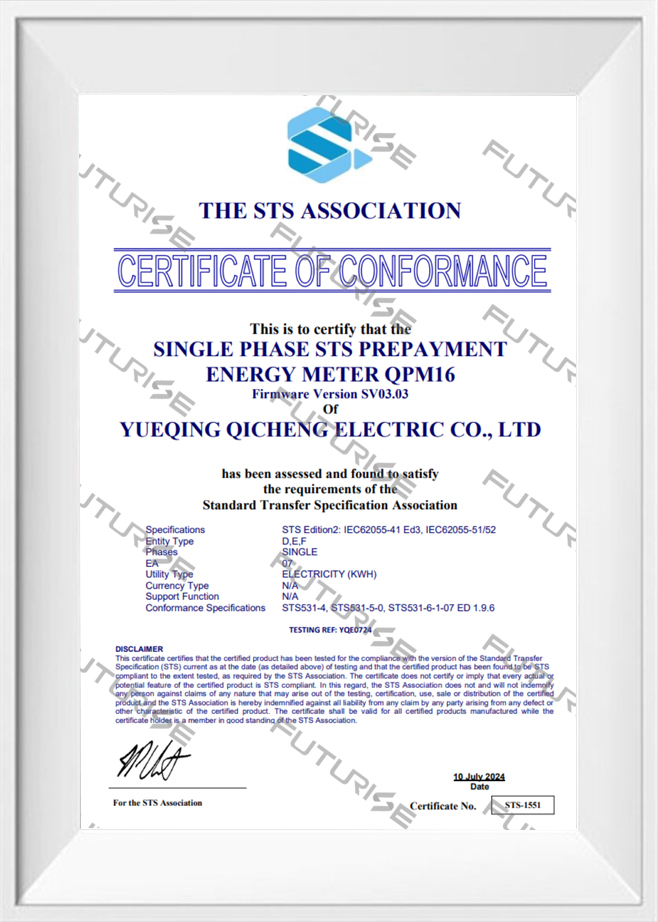
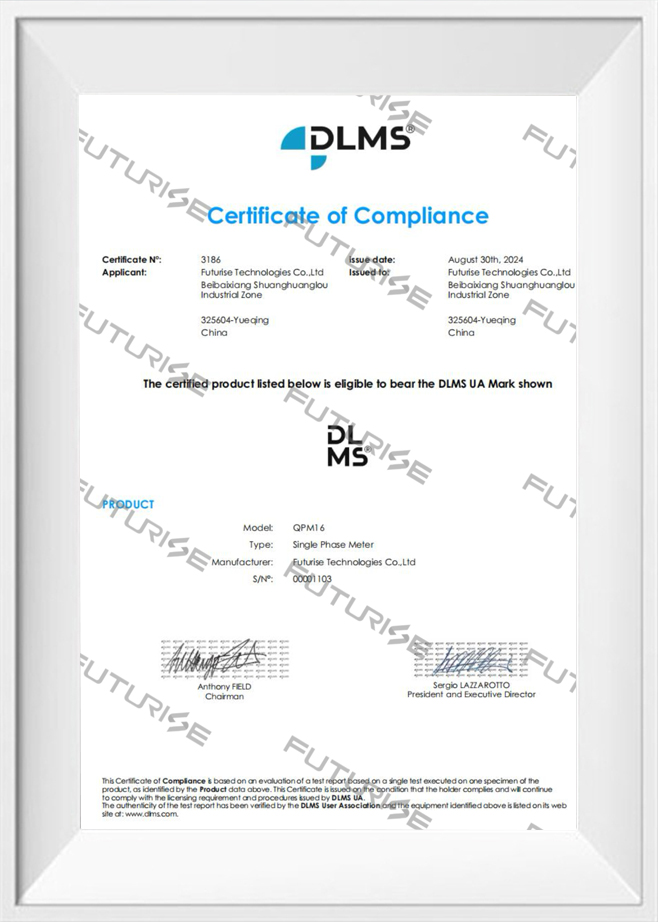
Our products comply with international standards such as STS, DLMS/COSEM, MID, and ISO, ensuring secure communication, accurate metering, and long-term performance in various environments.

FUTURISE is committed to continuous innovation and customer-oriented solutions, working closely with global partners to support efficient energy management and sustainable development.
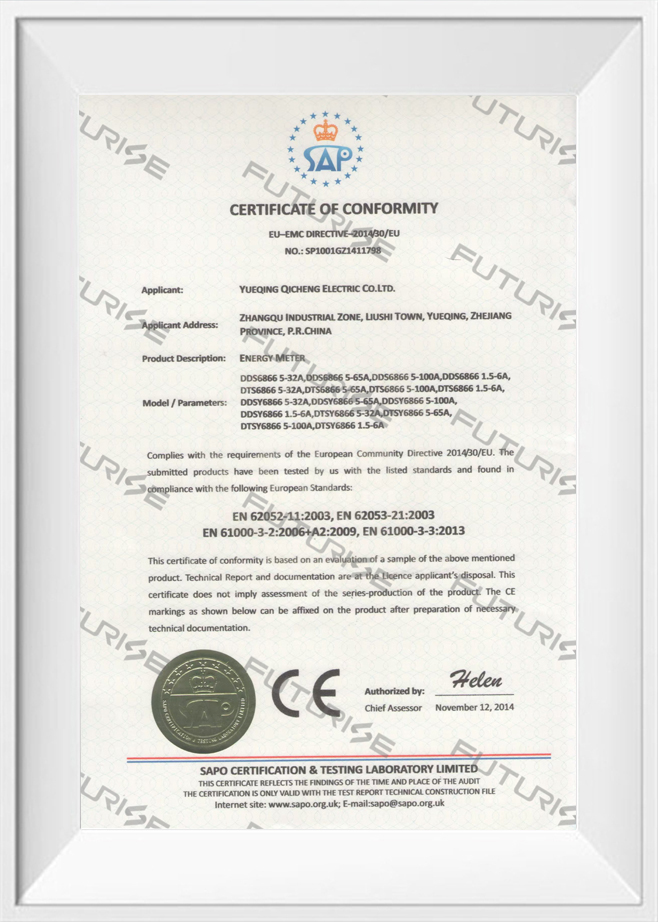
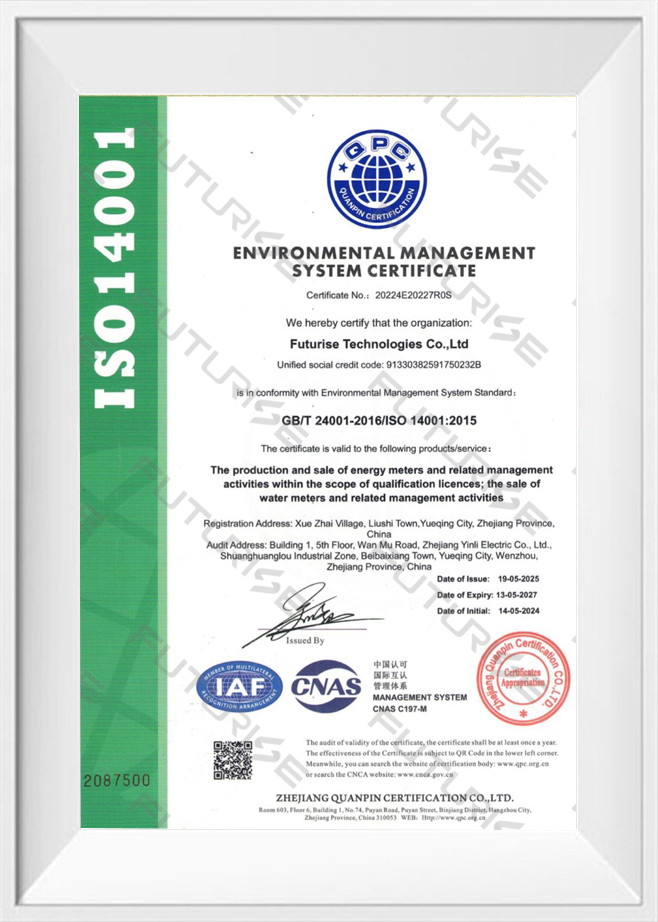
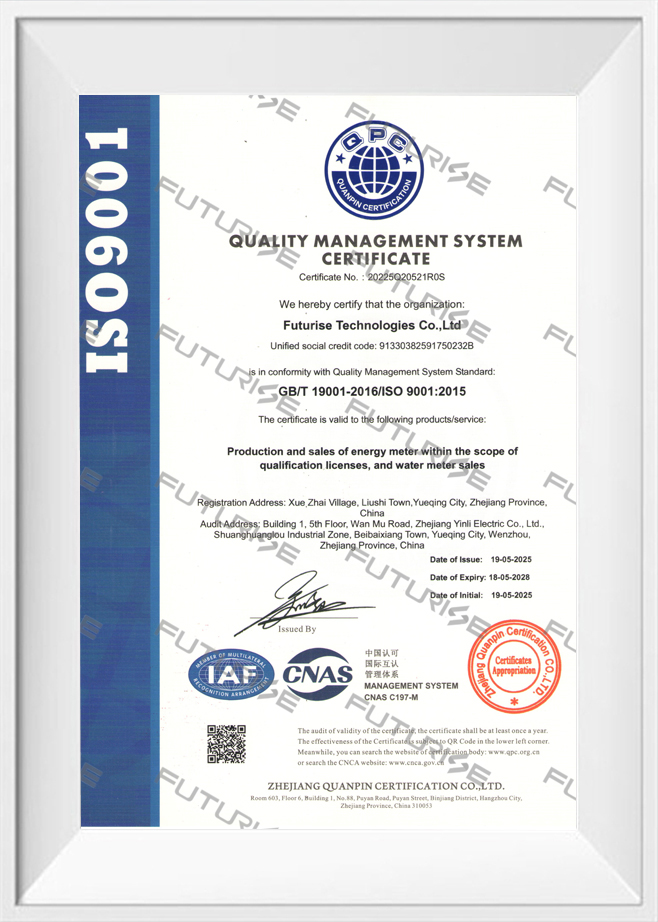
Certificate Of Honor
Blog
  • During a 2024 procurement audit, an East African distribution utility found that its three meter suppliers ran two proprietary prepayment platforms that could not read each other's tokens. Customers walked past nearby vendors to reach the single kiosk that sold credit for their specific meter bran...

    READ MORE
  • On procurement desks across Africa, South America and the Middle East, tender documents often compress the two technologies into a single line item: smart prepaid meters. The wording hides a decision that deserves two lines. A smart meter and a prepaid meter solve different utility problems, one i...

    READ MORE
  • A pallet of smart meters can pass safety testing in Rotterdam and still be legally worthless in Madrid if one detail is missing: the meters are not MID certified. Under European rules, an electricity meter without Measuring Instruments Directive approval cannot be used to bill a customer, and impo...

    READ MORE
Water Meter Industry knowledge

Water is one of the most critical resources managed by utilities and property managers worldwide, and accurate measurement is essential for sustainable resource management, equitable billing, and infrastructure planning. Water meters have evolved significantly from simple mechanical flow measurement devices to sophisticated electronic instruments capable of remote reading, leak detection, and prepaid functionality. This article examines the key product categories within the water metering ecosystem, providing technical professionals, procurement specialists, and utility decision-makers with a comprehensive understanding of the capabilities, applications, and selection criteria for modern water metering solutions.

Mechanical Water Meters: The Foundation of Flow Measurement

Mechanical water meters represent the most widely deployed category of water metering devices, serving residential households, commercial establishments, and industrial facilities. These meters operate on fundamental principles of fluid dynamics, using mechanical components such as rotating impellers or oscillating pistons to measure the volume of water passing through the meter. A water meter manufacturers must deliver products that combine accurate measurement, durable construction, and long-term reliability to meet the demands of utility and industrial applications.

The core functionality of a mechanical water meter encompasses volumetric flow measurement across a specified flow range, with accuracy typically within ±2% for residential meters and tighter tolerances for commercial and industrial models. Common mechanical technologies include multi-jet meters, which use multiple water jets to spin an impeller, and positive displacement meters, which use oscillating pistons or nutating discs to capture precise volumes of water. These meters feature mechanical registers with odometer-style displays that show cumulative consumption, making them simple to read and maintain without external power sources.

Founded in 2002, FUTURISE has established itself as a professional provider of smart metering and energy solutions, with its water meter portfolio complementing its extensive range of electricity meters. A reputable water meter manufacturers partner ensures that utilities receive products that comply with international standards such as ISO 4064 (accuracy and performance) and OIML R49 (legal metrology), along with the necessary certification support for regional approvals.

Typical applications for mechanical water meters include residential water supply, where utilities require cost-effective metering for millions of household connections; commercial premises such as office buildings and retail establishments requiring accurate billing for water consumption; and industrial facilities where process water usage must be monitored for operational efficiency and regulatory compliance. The simplicity and durability of mechanical meters make them suitable for remote areas where electronic maintenance may be challenging.

Key Advantages of Mechanical Water Meters

  • No external power required: Mechanical meters operate entirely on water flow, making them suitable for remote installations without electrical infrastructure.
  • Proven reliability: Decades of field experience across diverse water quality conditions have established mechanical meters as a trusted technology.
  • Cost-effective deployment: Lower unit costs and simplified installation enable utilities to scale water metering programs efficiently across millions of connections.
  • Long service life: Robust construction with corrosion-resistant materials supports extended operational lifetimes in demanding water supply environments.
  • Simple maintenance: Mechanical registers are easy to read and replace, with minimal specialized training required for service personnel.

Smart Water Meters: Digital Intelligence for Modern Water Management

Smart water meters represent the convergence of traditional flow measurement with digital technology, enabling remote reading, real-time monitoring, and advanced data analytics. Unlike mechanical meters that require physical access for reading, smart water meters incorporate electronic measurement, communication modules, and data storage capabilities that transform water utilities' operational efficiency. The DN15 water meter supplier plays a critical role in this transformation, providing meters optimized for the residential and light commercial connections where the DN15 (15mm) size is the industry standard.

The core functionality of a smart water meter encompasses electronic flow measurement, communication via protocols such as Mbus, RF, or NB-IoT, data logging at configurable intervals, and leak detection through continuous flow monitoring. Smart meters also support remote reading, eliminating the need for manual meter reading and enabling utilities to detect anomalies such as unauthorized consumption, leaks, and backflow. Selecting a reliable DN15 water meter supplier ensures that utilities receive meters with the right combination of measurement accuracy, communication compatibility, and durability.

FUTURISE offers smart water metering solutions that comply with international communication standards, enabling integration with existing utility head-end systems and enterprise billing platforms. With more than 50 million meters installed globally across electricity and water applications, FUTURISE has accumulated extensive field experience in smart metering deployments across Africa, South America, and the Middle East. A water meter manufacturers with cross-domain expertise provides utilities with integrated solutions that address both water and energy management requirements.

Typical applications for smart water meters include municipal water supply systems requiring efficient data collection and reduced operational costs; commercial buildings seeking to monitor and reduce water consumption through data-driven insights; and industrial facilities where water usage represents a significant operational cost requiring detailed monitoring. The DN15 size is the most common residential connection, making the DN15 water meter supplier a key partner for utilities deploying smart metering at scale.

Advantages of Smart Water Meters

  1. 1 Elimination of manual reading: Automated data collection reduces labor costs, eliminates reading errors, and enables more frequent billing cycles.
  2. 2 Leak detection and monitoring: Continuous flow monitoring enables early detection of leaks, reducing water loss and protecting infrastructure.
  3. 3 Real-time consumption visibility: Customers access detailed usage data through web portals or mobile applications, enabling informed water conservation decisions.
  4. 4 Network monitoring: Utilities can monitor network pressure, flow patterns, and consumption trends to optimize infrastructure planning and operation.

Prepaid Water Meters: Revenue Protection and Consumer Empowerment

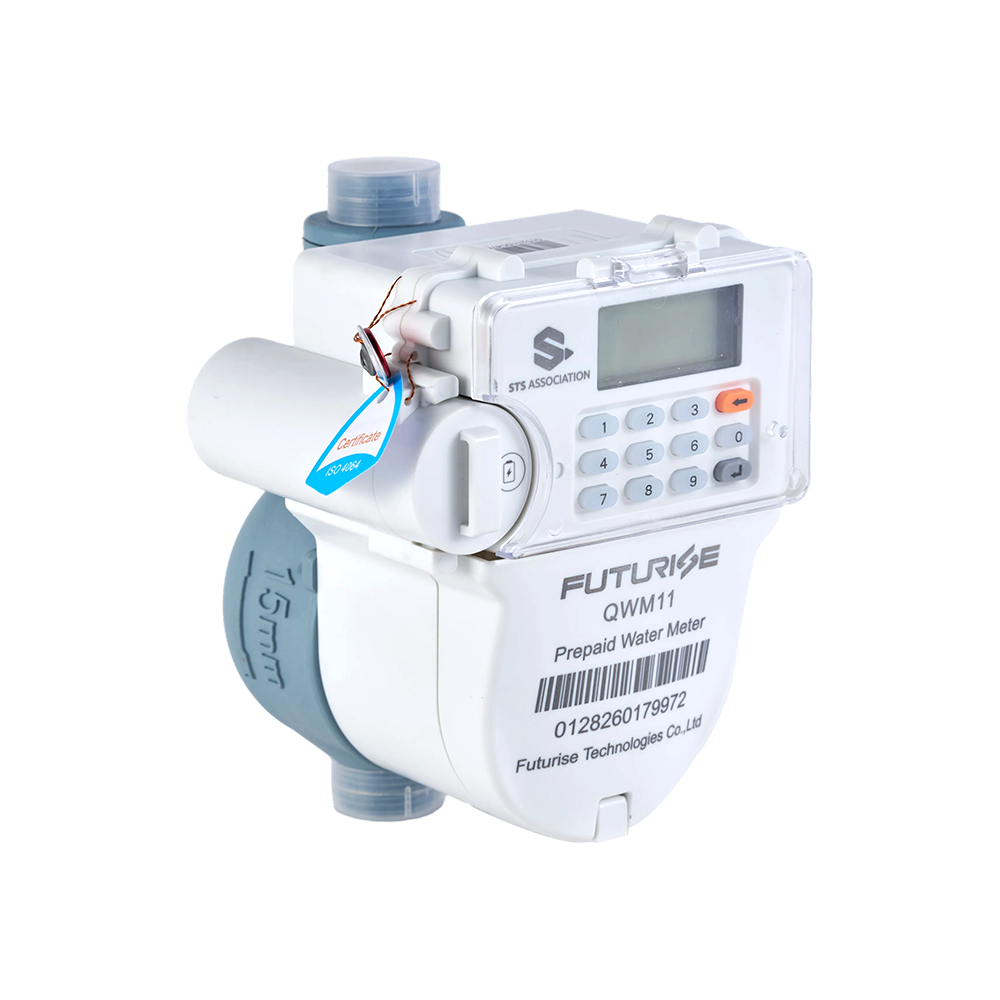
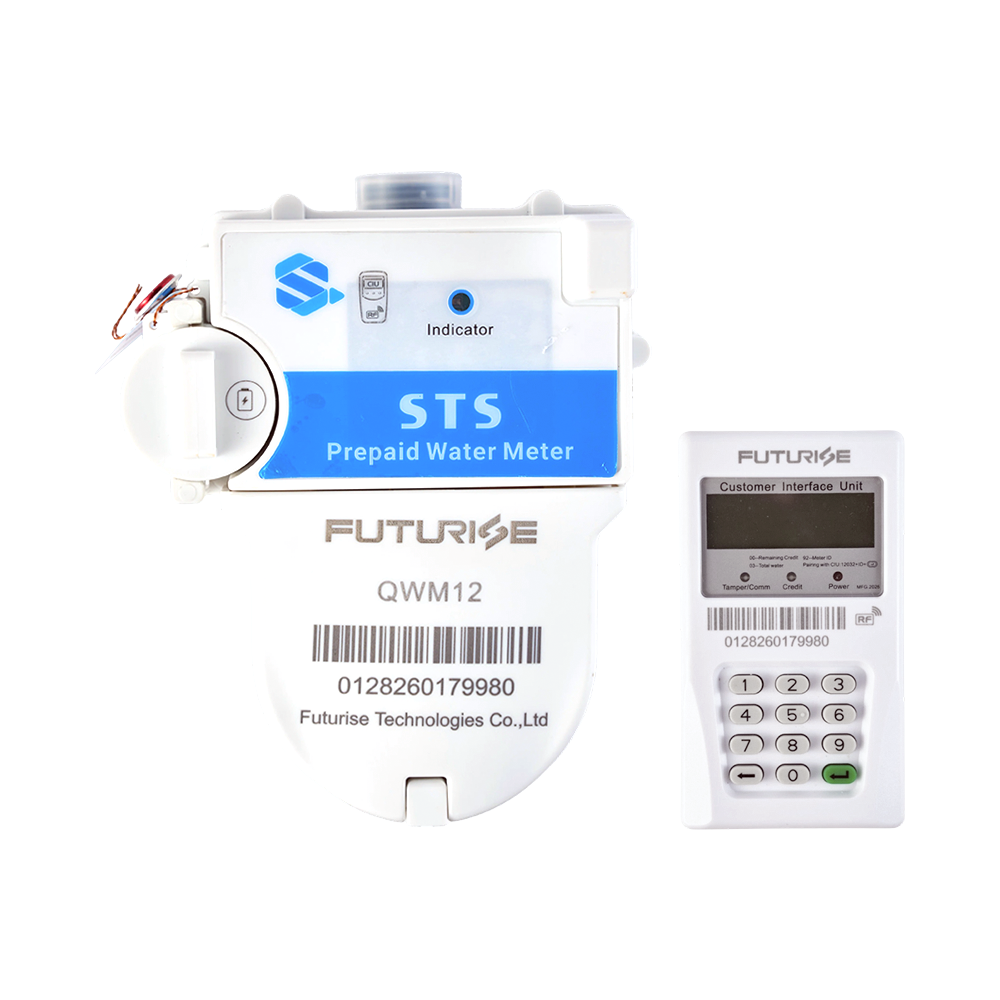
Prepaid water meters have emerged as a transformative solution for water utilities and property managers seeking to improve revenue collection, reduce non-technical losses, and empower consumers with real-time consumption visibility. These meters combine the functionality of mechanical or smart measurement with a prepaid credit system that requires customers to purchase water credits before consumption. A wholesale water meter procurement program enables utilities and property developers to deploy prepaid metering at scale, standardizing on a single platform to reduce costs and simplify operations.

The core functionality of a prepaid water meter encompasses volumetric measurement, credit management through electronic valve control, and user interface for balance checking and token entry. Prepaid systems typically use STS (Standard Transfer Specification) token technology, adapted from electricity prepayment, ensuring secure and interoperable credit transfer. For utilities seeking wholesale water meter procurement, prepaid meters offer the dual benefit of revenue protection—since water supply is automatically disconnected when credit is exhausted—and consumer empowerment through transparent usage tracking.

FUTURISE offers prepaid water metering solutions that draw on its extensive experience in STS-certified prepaid electricity metering. The company's commitment to continuous innovation and customer-oriented solutions has resulted in prepaid water meters that comply with international standards such as ISO 4064, ensuring secure communication, accurate measurement, and long-term performance in diverse environments. A water meter manufacturers with cross-domain expertise in both water and electricity metering provides utilities with a unified platform for managing both resources efficiently.

Key application scenarios for prepaid water meters include residential estates and gated communities seeking efficient water revenue management; rental properties where landlords need to eliminate unpaid water bills; and municipal utilities in regions where water revenue collection has been historically challenging. For wholesale water meter procurement, prepaid meters offer a compelling return on investment through reduced administrative costs, improved cash flow, and minimized revenue loss from unauthorized consumption.

Comparative Analysis of Water Meter Types

Feature / Category Mechanical Water Meter Smart Water Meter Prepaid Water Meter
Primary Application Residential, commercial, industrial consumption measurement Remote monitoring, leak detection, data analytics Revenue protection, prepaid billing, consumer empowerment
Communication Manual reading only Mbus, RF, NB-IoT, wireless STS token, optional AMI communication
Power Source None (mechanical operation) Battery (5-15 years) Battery (5-10 years)
Typical Accuracy ±2% (residential), ±1% (commercial) ±2% (residential), ±1% (commercial) ±2% (residential)
Leak Detection Not available Continuous flow monitoring Continuous flow monitoring

How to Select the Right Water Meter Partner

When evaluating suppliers of water metering solutions, procurement teams, utility managers, and property developers should consider the following criteria to ensure a successful long-term partnership:

  • Standards certification: Verify ISO 4064, OIML R49, and MID compliance to ensure product quality, accuracy, and regulatory acceptance in target markets.
  • Application alignment: Confirm that the supplier's product portfolio covers the specific meter type required—mechanical, smart, or prepaid—for your application.
  • DN15 availability: For residential applications, ensure the supplier offers the DN15 size with appropriate flow range and accuracy for your requirements.
  • Communication compatibility: For smart meters, ensure communication protocols (Mbus, RF, NB-IoT) are compatible with existing utility infrastructure and head-end systems.

For detailed product specifications, technical documentation, or custom solution inquiries, visit the water meter manufacturers product page to explore the full portfolio of mechanical, smart, and prepaid water metering solutions.

Frequently Asked Questions

Q1: What is the difference between mechanical, smart, and prepaid water meters?

Mechanical water meters measure flow using mechanical components without requiring external power, displaying consumption on a mechanical register. Smart water meters incorporate electronic measurement and communication modules for remote reading, leak detection, and data analytics. Prepaid water meters combine mechanical or smart measurement with a credit system requiring advance payment for water, typically using STS token technology for secure credit transfer.

Q2: What is a DN15 water meter and where is it used?

A DN15 water meter has a nominal diameter of 15mm and is the standard size for residential and light commercial connections in most markets. It typically handles flow rates up to 2.5 m³/h and is the most common meter size deployed by water utilities for household connections. A reliable DN15 water meter supplier provides meters with the right combination of accuracy, durability, and flow range for residential applications.

Q3: What should I look for when selecting water meter manufacturers for a municipal project?

When selecting water meter manufacturers for municipal projects, verify ISO 4064 and OIML R49 certification, proven field experience across diverse water quality conditions, production capacity for large-scale deployment, and regional approval support. Manufacturers with global deployment experience—such as FUTURISE, with more than 50 million meters installed—provide greater assurance of product reliability and supply chain capability.

Q4: What are the benefits of wholesale water meter procurement?

Wholesale water meter procurement offers utilities and property developers significant cost advantages through economies of scale, consistent product quality, and simplified logistics. It enables standardization on a single meter platform, reducing training requirements, spare parts inventory, and integration complexity. A reliable wholesale water meter supplier provides technical support and certification assistance to ensure successful project implementation.

Q5: Can water meters be integrated with smart utility management platforms?

Yes, smart and prepaid water meters can be integrated with smart utility management platforms through standard communication protocols such as Mbus, RF, or NB-IoT. This integration enables centralized data collection, billing automation, leak detection, and advanced analytics. FUTURISE offers water metering solutions that comply with international communication standards, ensuring interoperability with existing utility infrastructure and enterprise systems.