
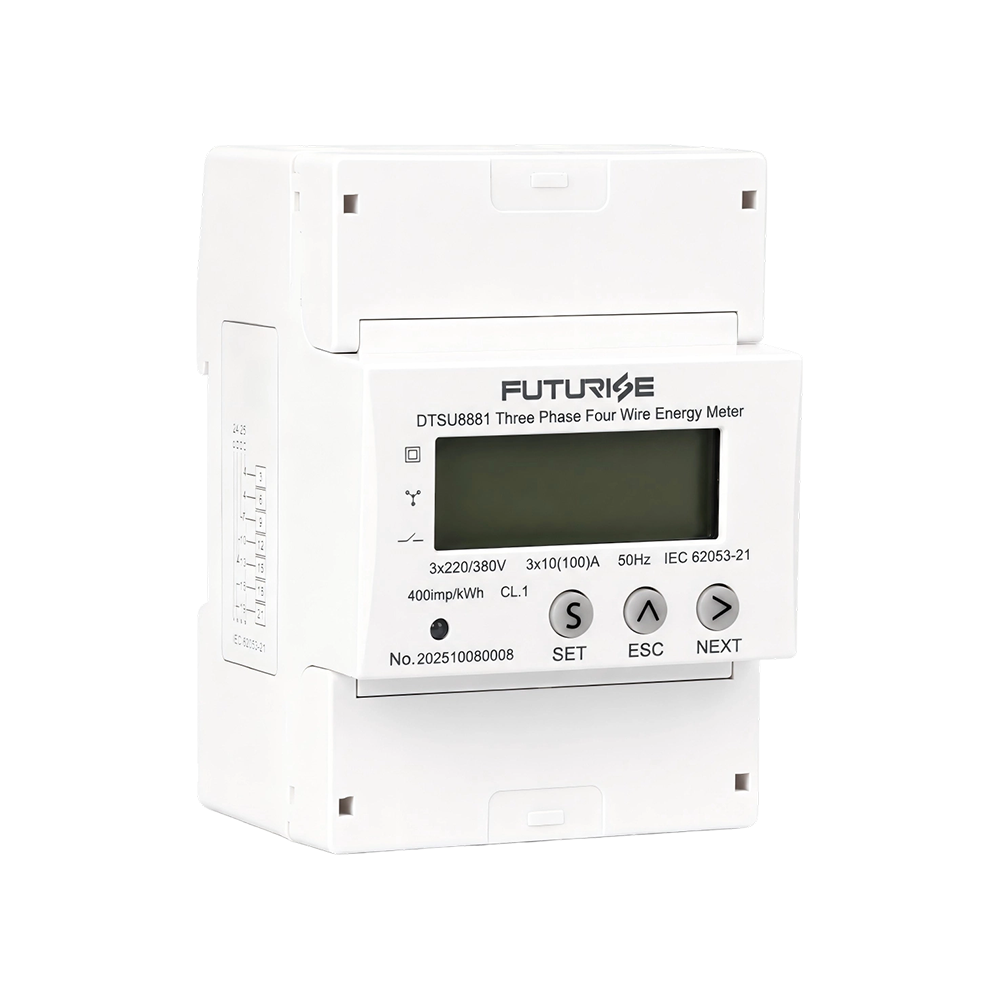
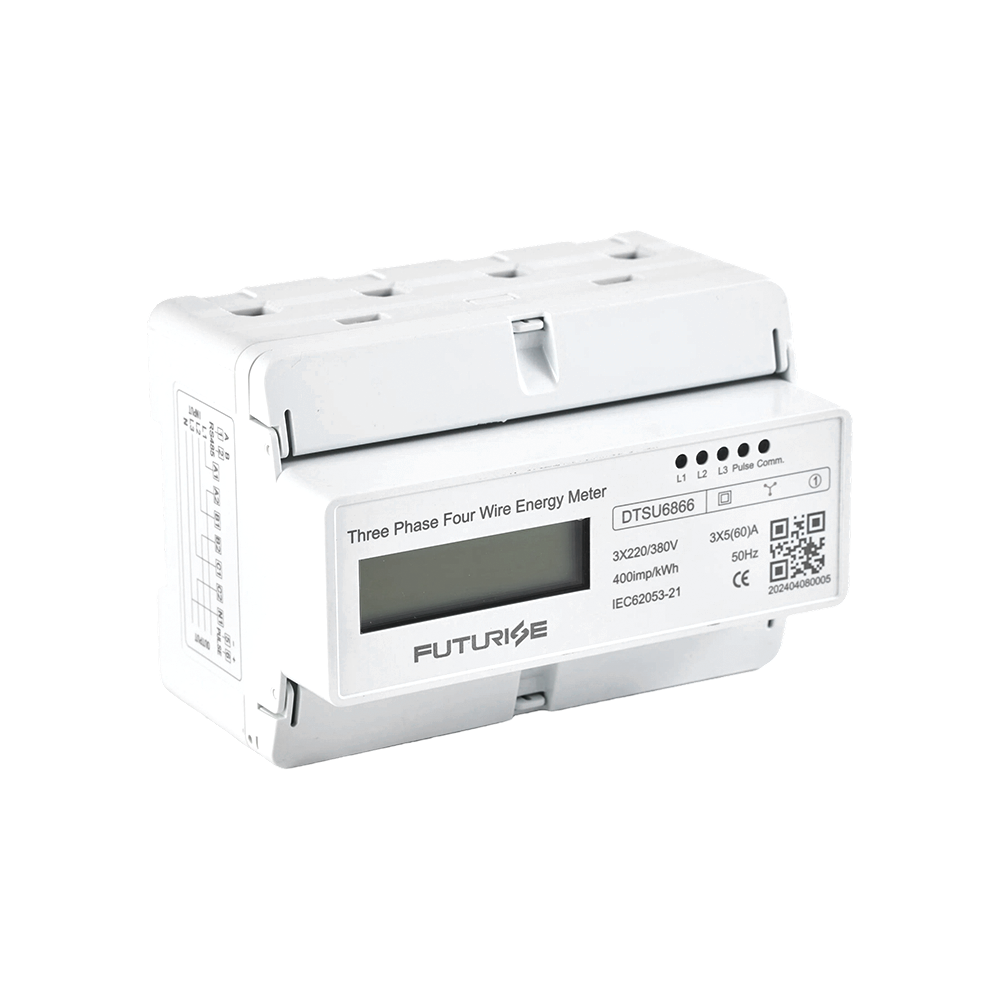
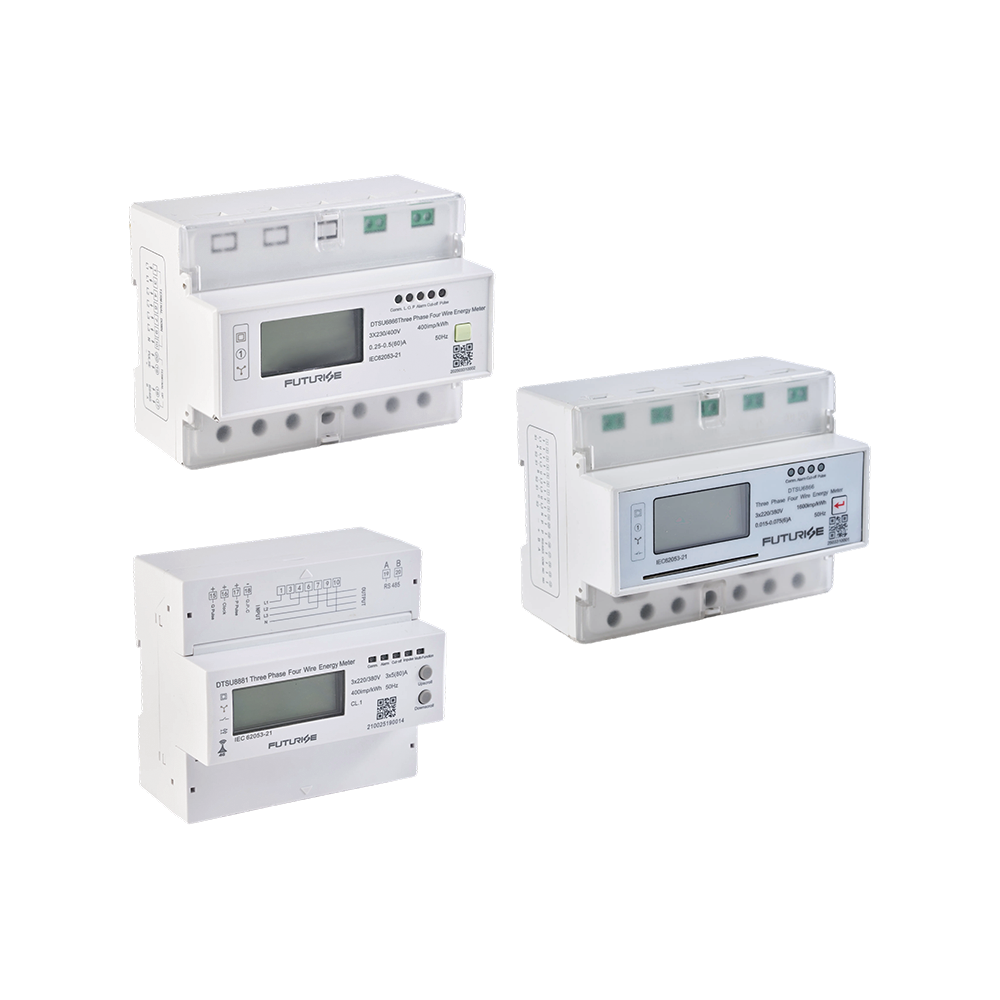
Home / Products / Din-rail Meter

Din-rail Meter

Comprehensive Metering Products
About Us
Futurise Technologies Co., Ltd.

Founded in 2002, FUTURISE is a professional China Din-rail Meter Manufacturers and PLC din-rail meter company, dedicated to delivering reliable, efficient, and innovative products to global markets.

With over two decades of industry experience, our products have been widely deployed across Africa, South America, and the Middle East. To date, more than 50 million meters have been installed worldwide, with products recognized and approved by local utilities.

We specialize in smart meters, prepaid metering solutions, and energy management systems, supporting diverse applications across residential, commercial, industrial, and utility sectors.

Our products comply with international standards such as STS, DLMS/COSEM, MID, and ISO, ensuring secure communication, accurate metering, and long-term performance in various environments.

FUTURISE is committed to continuous innovation and customer-oriented solutions, working closely with global partners to support efficient energy management and sustainable development.
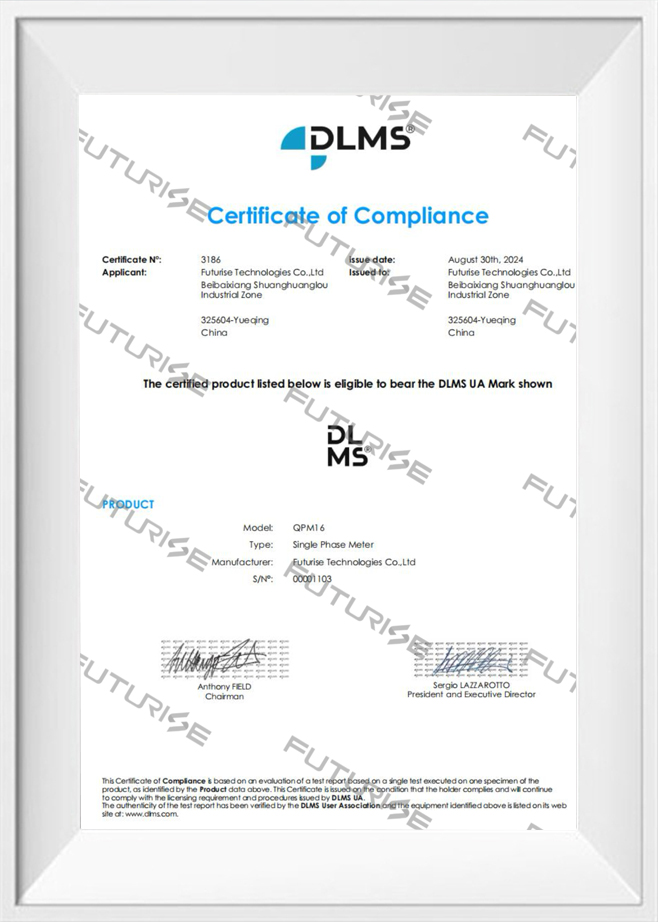
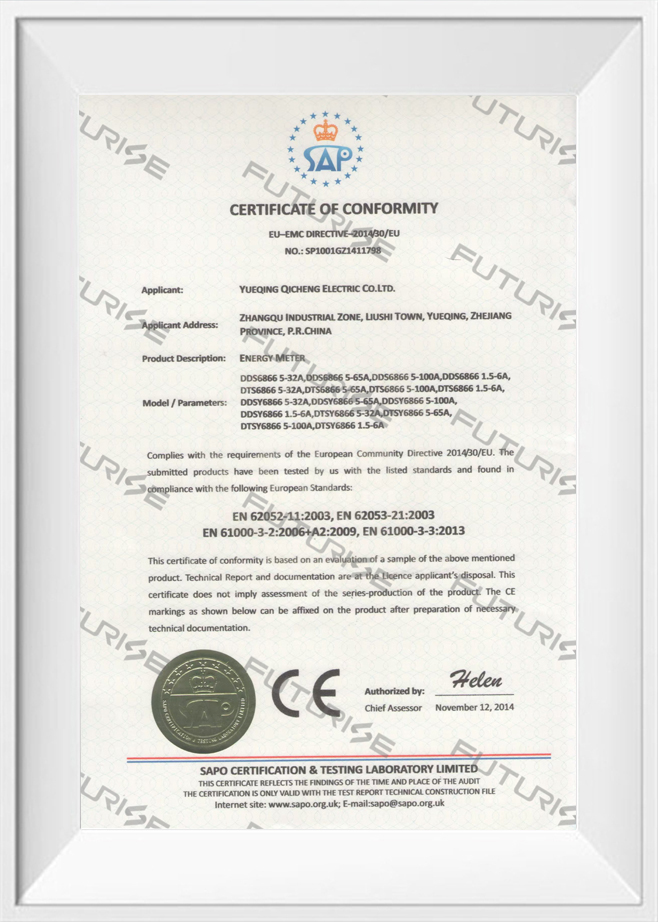
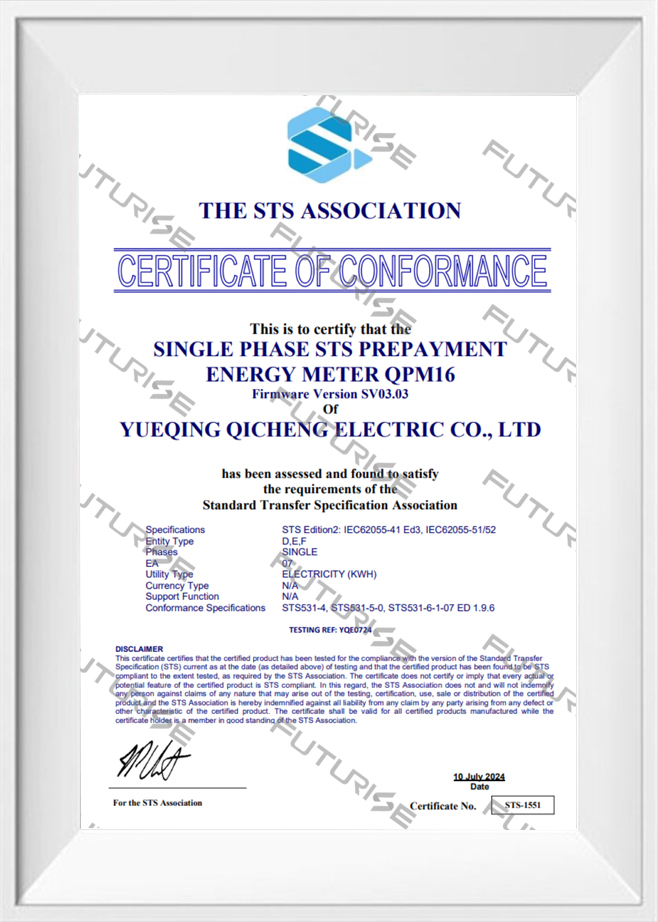
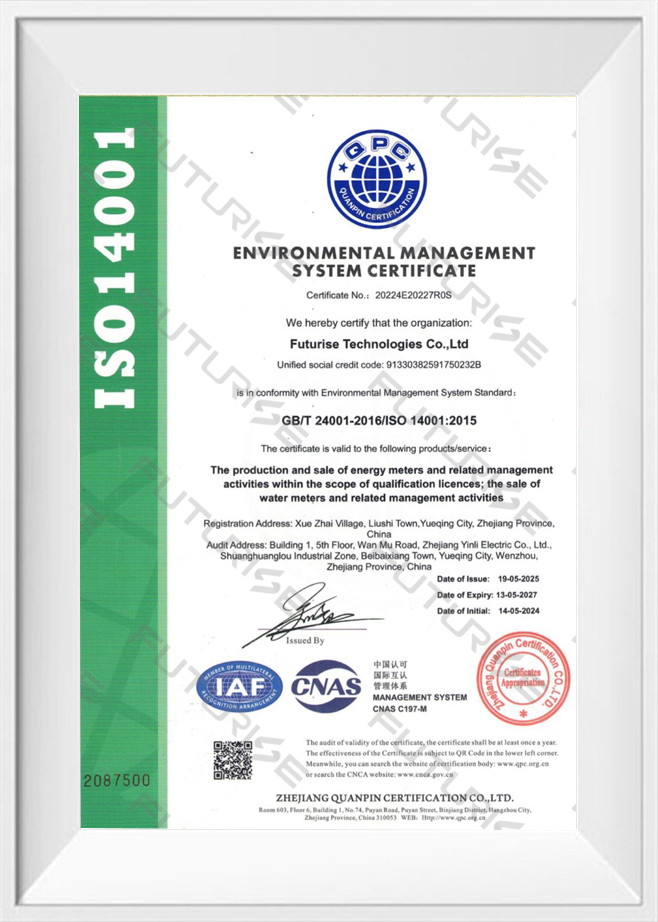
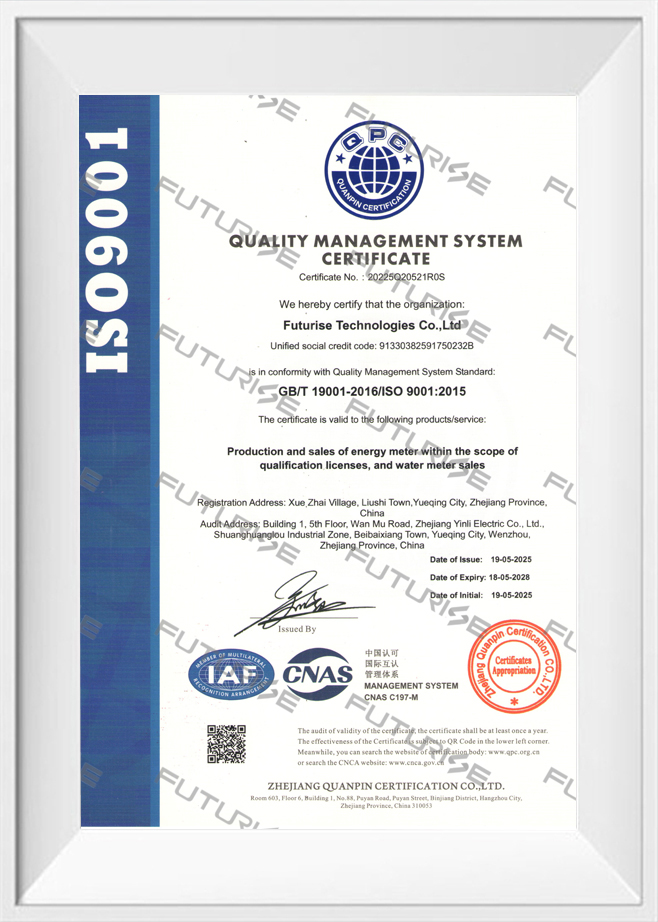
Certificate Of Honor
Blog
  • During a 2024 procurement audit, an East African distribution utility found that its three meter suppliers ran two proprietary prepayment platforms that could not read each other's tokens. Customers walked past nearby vendors to reach the single kiosk that sold credit for their specific meter bran...

    READ MORE
  • On procurement desks across Africa, South America and the Middle East, tender documents often compress the two technologies into a single line item: smart prepaid meters. The wording hides a decision that deserves two lines. A smart meter and a prepaid meter solve different utility problems, one i...

    READ MORE
  • A pallet of smart meters can pass safety testing in Rotterdam and still be legally worthless in Madrid if one detail is missing: the meters are not MID certified. Under European rules, an electricity meter without Measuring Instruments Directive approval cannot be used to bill a customer, and impo...

    READ MORE
Din-rail Meter Industry knowledge

The evolution of electrical distribution systems has driven significant innovation in metering technology, with din-rail meters emerging as a preferred solution for commercial, industrial, and residential applications. Unlike traditional socket-type meters, din-rail meters are designed for standardized mounting on DIN rails—the industry-standard metal rails used for mounting circuit breakers, contactors, and other electrical devices in distribution boards and control cabinets. This standardized form factor enables efficient use of panel space, simplified installation, and seamless integration with existing electrical infrastructure. This article examines the key product categories, technical specifications, and application considerations that define modern din-rail metering solutions.

Standard Din-rail Meters: The Foundation of Compact Metering

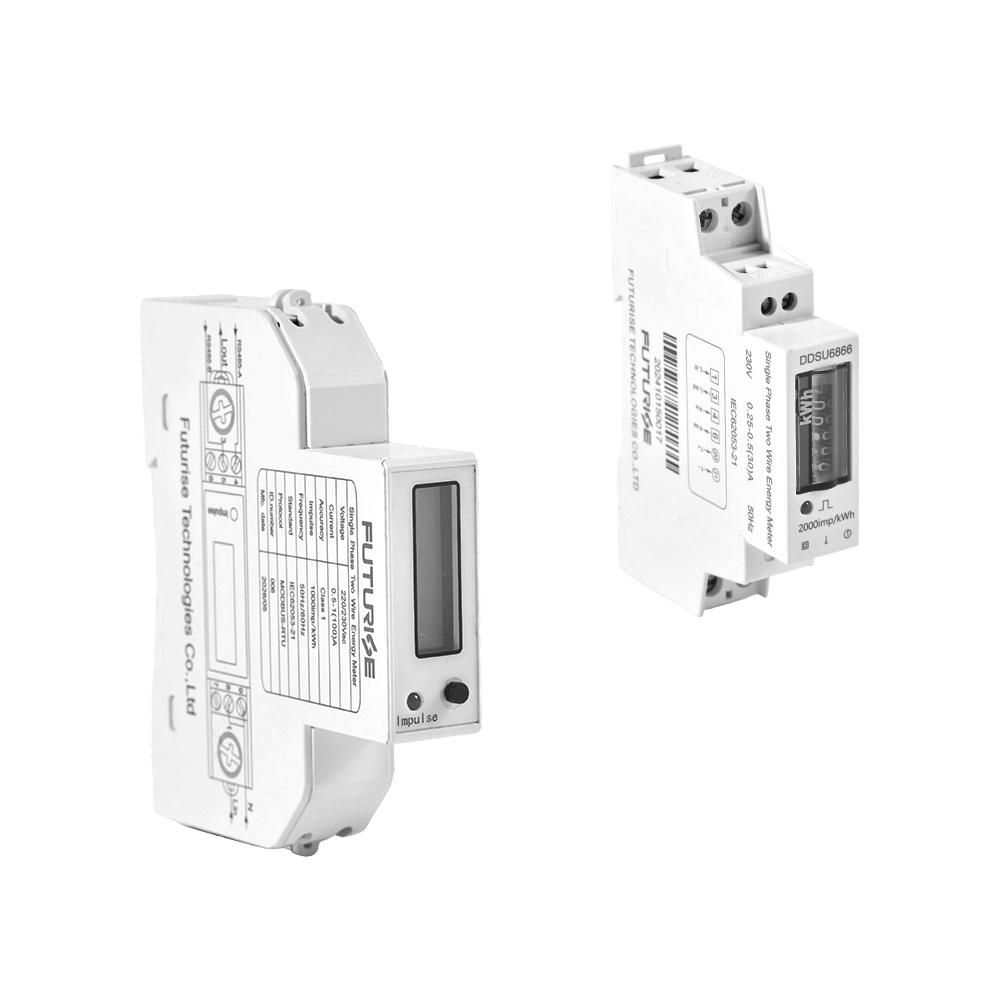
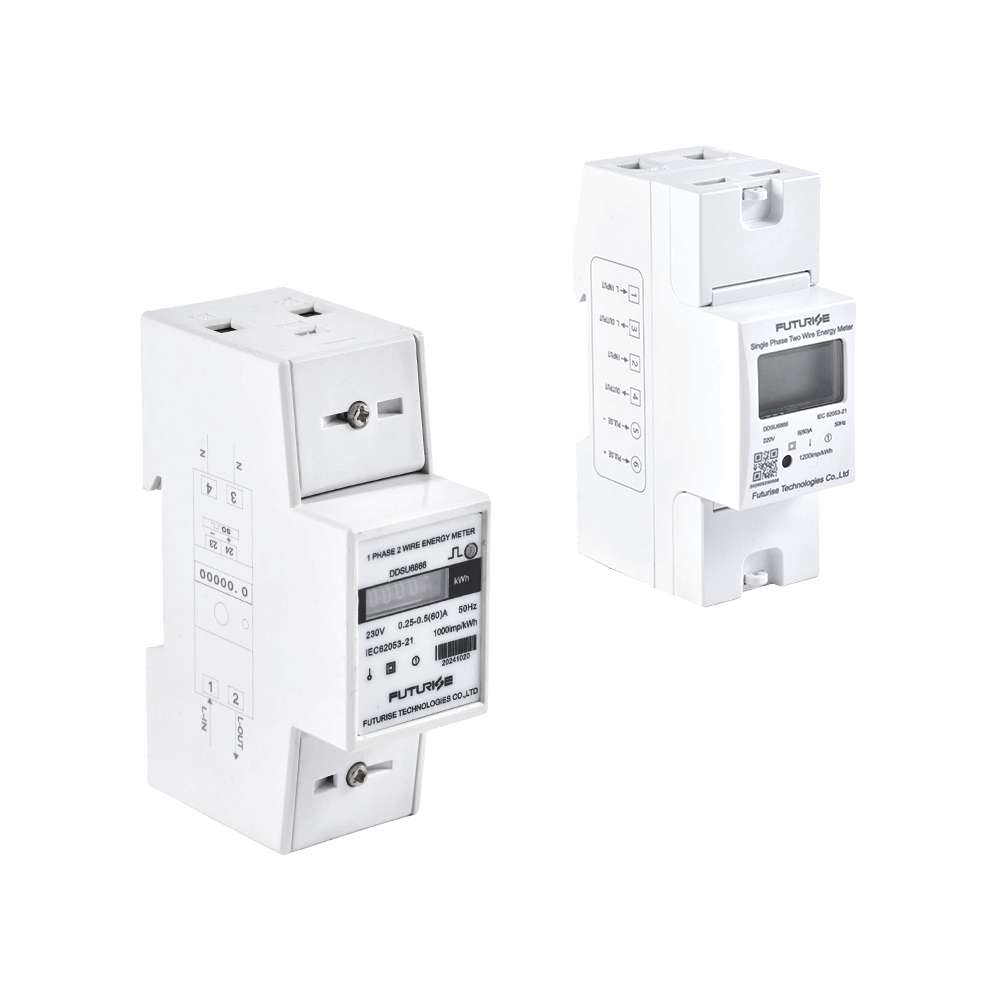
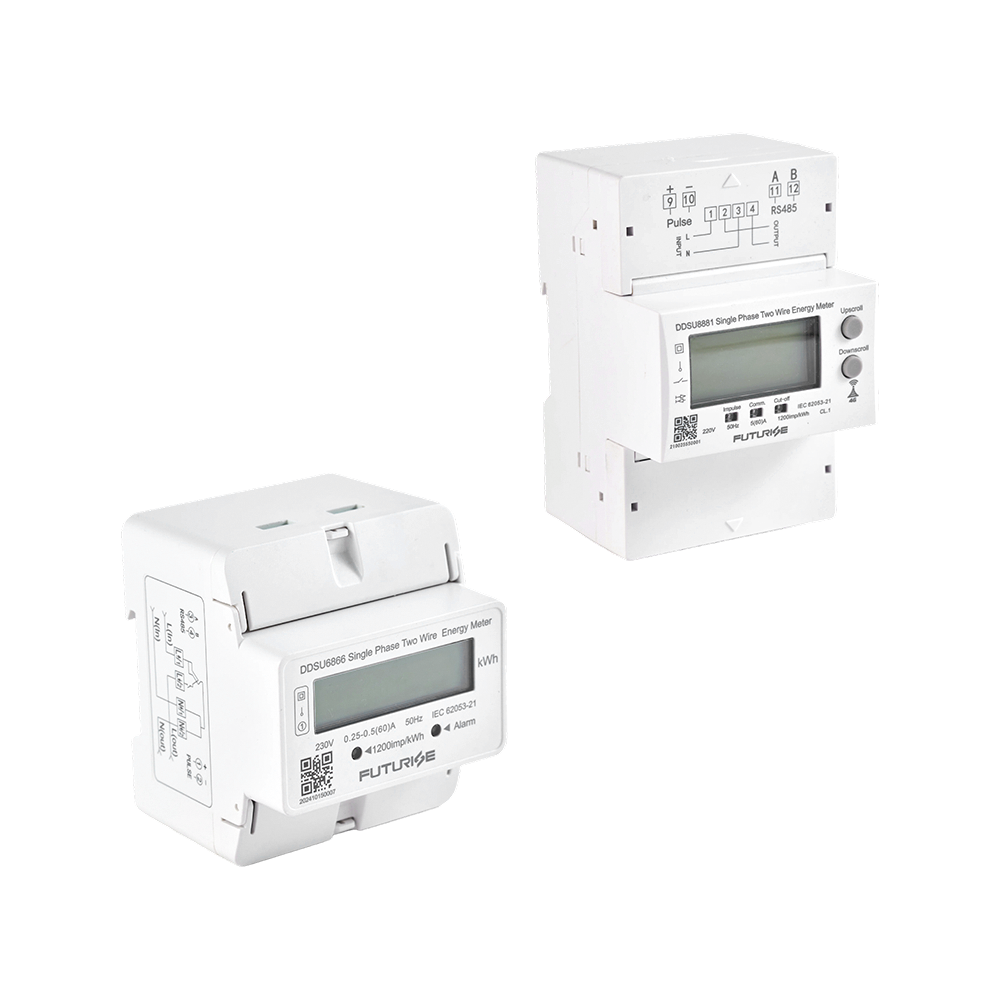
Standard din-rail meters represent the most widely deployed category of rail-mounted metering devices, serving commercial buildings, industrial facilities, and residential distribution boards. These meters are designed to measure electrical consumption in single-phase or three-phase AC power systems, with a compact form factor that enables high-density installation in limited panel space. A din-rail meter manufacturers must deliver products that combine accurate measurement, reliable communication, and robust construction to meet the demands of diverse operational environments.

The core functionality of a standard din-rail meter encompasses bi-directional energy measurement (both import and export), power quality monitoring (including voltage, current, power factor, and frequency), load profiling with configurable integration intervals, and communication via industry-standard protocols such as Modbus, Mbus, or pulse outputs. These meters also feature clear LCD displays that show real-time consumption data, cumulative totals, and tariff information, making them suitable for both operator monitoring and end-user visibility.

Founded in 2002, FUTURISE has established itself as a professional provider of smart metering and energy solutions, with its din-rail meter portfolio including the QD11 (single-phase) and QD31 (three-phase) series, which have been deployed extensively across commercial and industrial projects in Africa, South America, and the Middle East. Working with a reputable din-rail meter manufacturers ensures that facility managers and contractors receive products that comply with international standards such as IEC 62053 for accuracy, IEC 61010 for safety, and MID for European market approval.

Typical applications for standard din-rail meters include commercial building sub-metering, where property owners allocate electricity costs across multiple tenants; industrial facility monitoring, where plant managers track energy consumption by production line or department; and residential distribution boards, where individual units or circuits require separate measurement. The compact form factor and standardized mounting make din-rail meters the default choice for retrofit and new installation projects where panel space is at a premium.

Key Advantages of Standard Din-rail Meters

  • Space-efficient design: Standardized DIN rail mounting enables high-density installation in limited panel space, reducing cabinet size and material costs.
  • Simplified installation: Clip-on mounting eliminates the need for drilling or special brackets, reducing labor costs and installation time.
  • Communication flexibility: Support for Modbus, Mbus, and pulse outputs enables seamless integration with building management and energy monitoring systems.
  • Standards compliance: IEC 62053 accuracy and MID certification ensure reliable measurement for billing and regulatory compliance.
  • Multi-tariff support: Advanced tariff management enables time-of-use pricing, demand charges, and seasonal rate structures for complex billing scenarios.

PLC Din-rail Meters: Power Line Communication Integration

The PLC din-rail meter represents the convergence of din-rail metering technology with Power Line Communication (PLC) capability, enabling data transmission over existing electrical wiring. A PLC din-rail meter eliminates the need for dedicated communication cables by utilizing the same power lines that carry electricity, significantly reducing installation costs and enabling remote monitoring in retrofitted buildings and industrial facilities where additional cabling is impractical.

The integration of PLC communication into din-rail meters addresses several critical challenges faced by facility managers and system integrators. First, it eliminates the need for additional wiring, simplifying deployment in existing infrastructure and reducing installation labor costs. Second, it supports reliable data transmission across long distances without signal repeaters, making it suitable for large industrial facilities and commercial complexes. Third, it enables seamless integration with existing building management systems and supervisory control and data acquisition (SCADA) platforms, providing real-time visibility into energy consumption patterns.

FUTURISE offers PLC-enabled din-rail metering solutions that comply with international communication standards, ensuring interoperability with existing automation infrastructure. The PLC capability supports advanced applications such as remote configuration, firmware updates, and automated meter reading—capabilities that are essential for modern energy management programs. With products recognized by local utilities across Africa, South America, and the Middle East, FUTURISE has accumulated extensive field experience in PLC-based metering deployments.

Key application scenarios for PLC din-rail meters include industrial facilities where distributed measurement points require centralized data collection without additional wiring; commercial buildings where energy monitoring is required across multiple floors and zones; and smart grid edge deployments where meters must communicate with data concentrators using the existing power distribution network. The PLC capability also supports demand response programs, enabling utilities or facility managers to implement load shedding based on real-time consumption data.

Advantages of PLC-Enabled Din-rail Meters

  1. 1 Reduced installation costs: Utilizing existing power lines for communication eliminates the need for dedicated communication cabling, significantly reducing material and labor costs.
  2. 2 Reliable long-distance transmission: PLC technology enables data transmission across long distances without signal repeaters, suitable for large industrial and commercial facilities.
  3. 3 Seamless system integration: PLC-enabled meters integrate with existing building management systems and SCADA platforms, enabling centralized energy monitoring and control.
  4. 4 Remote configuration and updates: PLC communication enables over-the-air firmware updates and remote parameter configuration, reducing maintenance visits and operational costs.

Multi-functional Din-rail Meters: Advanced Capabilities for Modern Energy Management

Multi-functional din-rail meters represent the cutting edge of rail-mounted metering technology, offering advanced capabilities that extend beyond basic energy measurement. These meters incorporate features such as harmonics analysis, power quality monitoring, demand forecasting, and communication interfaces that support integration with enterprise energy management systems. A din-rail meter manufacturers offering multi-functional solutions must demonstrate expertise in both hardware design and firmware development to deliver the comprehensive data sets required by modern energy managers.

The advanced capabilities of multi-functional din-rail meters include total harmonic distortion (THD) measurement, which enables identification of nonlinear loads and power quality issues that can affect equipment performance and lifespan. These meters also support reactive energy measurement, demand profiling, and network event logging, providing facility managers with detailed information for energy optimization and fault diagnosis. Communication options typically include Modbus RTU, Modbus TCP, and Mbus, with some models offering wireless options for flexible deployment.

FUTURISE offers multi-functional din-rail metering solutions that comply with DLMS/COSEM communication standards, ensuring interoperability with industry-standard head-end systems. The multi-functional capability supports advanced energy management programs, including ISO 50001 energy management system implementation, energy performance monitoring, and sustainability reporting. With more than 50 million meters installed globally, FUTURISE brings extensive field experience to multi-functional din-rail meter deployments across diverse industries and applications.

Typical use cases for multi-functional din-rail meters include industrial energy management, where plant managers require detailed power quality data to optimize production processes and reduce energy costs; data centers, where power quality monitoring is essential for maintaining critical infrastructure reliability; and commercial buildings seeking LEED certification or other sustainability credentials that require comprehensive energy data.

Comparative Analysis of Din-rail Meter Types

Feature / Category Standard Din-rail Meter PLC Din-rail Meter Multi-functional Din-rail Meter
Primary Application Commercial sub-metering, industrial monitoring, residential distribution Industrial facilities, commercial buildings with existing cabling limitations Industrial energy management, data centers, LEED-certified buildings
Communication Modbus, Mbus, pulse output Power Line Communication (PLC), Modbus Modbus RTU/TCP, Mbus, DLMS/COSEM, wireless options
Power Quality Analysis Basic voltage/current monitoring Standard plus PLC communication THD, harmonics, sag/swell detection, reactive energy
Accuracy Class Class 1 Class 1 Class 0.5S or Class 1
Tariff Support Multi-tariff (time-of-use, inclining block) Multi-tariff (time-of-use, inclining block) Advanced tariff management with seasonal rates and demand charges

How to Select the Right Din-rail Meter Partner

When evaluating suppliers of din-rail metering solutions, procurement teams, facility managers, and system integrators should consider the following criteria to ensure a successful long-term partnership:

  • Standards certification: Verify IEC 62053 accuracy, MID (for European markets), and DLMS/COSEM (for communication interoperability) compliance to ensure product quality and regulatory acceptance.
  • Application alignment: Confirm that the supplier's product portfolio covers the specific meter type required—standard, PLC-enabled, or multi-functional—for your application.
  • Communication compatibility: Ensure that the meter's communication protocols (Modbus, Mbus, PLC) are compatible with your existing building management, SCADA, or energy monitoring systems.
  • Customization capability: Assess the supplier's flexibility in adapting products to specific voltage ratings, current ranges, and tariff structures required for your project.

For detailed product specifications, technical documentation, or custom solution inquiries, visit the din-rail meter manufacturers product page to explore the full portfolio of standard, PLC-enabled, and multi-functional din-rail metering solutions.

Frequently Asked Questions

Q1: What is a din-rail meter and where is it used?

A din-rail meter is an electrical meter designed for standardized mounting on DIN rails in distribution boards and control cabinets. It is widely used in commercial buildings for sub-metering and cost allocation, industrial facilities for energy monitoring and production line measurement, and residential distribution boards for individual circuit monitoring. The compact form factor enables high-density installation in limited panel space.

Q2: What is a PLC din-rail meter and what are its advantages?

A PLC din-rail meter integrates Power Line Communication technology, enabling data transmission over existing electrical wiring without dedicated communication cables. This significantly reduces installation costs, supports reliable data transmission across long distances, and simplifies integration with building management and SCADA systems. It is particularly valuable for retrofitting existing facilities where additional cabling is impractical.

Q3: What should I look for when selecting din-rail meter manufacturers for a commercial project?

When selecting din-rail meter manufacturers, verify standards compliance (IEC 62053, MID), communication protocol compatibility (Modbus, Mbus, PLC), application alignment with your specific requirements, and customization flexibility. Reliable manufacturers with proven global deployment experience provide greater assurance of product quality and after-sales support. FUTURISE has over two decades of industry experience and more than 50 million meters installed worldwide.

Q4: What is the difference between standard and multi-functional din-rail meters?

A standard din-rail meter provides basic energy measurement (kWh), voltage, current, and power factor monitoring. A multi-functional din-rail meter offers advanced capabilities including total harmonic distortion (THD) analysis, power quality monitoring (sag/swell detection), reactive energy measurement, demand profiling, and enhanced communication options. Multi-functional meters are typically used in industrial energy management, data centers, and LEED-certified buildings requiring comprehensive energy data.

Q5: Can din-rail meters be used for sub-metering in multi-tenant buildings?

Yes, din-rail meters are widely used for sub-metering in multi-tenant commercial and residential buildings. They enable property owners to accurately allocate electricity costs across individual tenants, reduce billing disputes, and implement energy conservation programs. The compact form factor allows installation in existing distribution panels without extensive modifications, making them ideal for retrofit projects.