
Home / Products / IC Card Prepaid Meter

IC Card Prepaid Meter

Comprehensive Metering Products

230v IC Card Electric Prepaid Meter Manufacturers

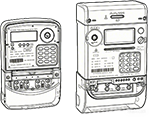
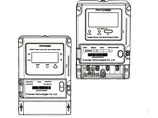
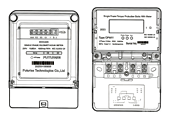
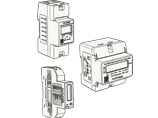
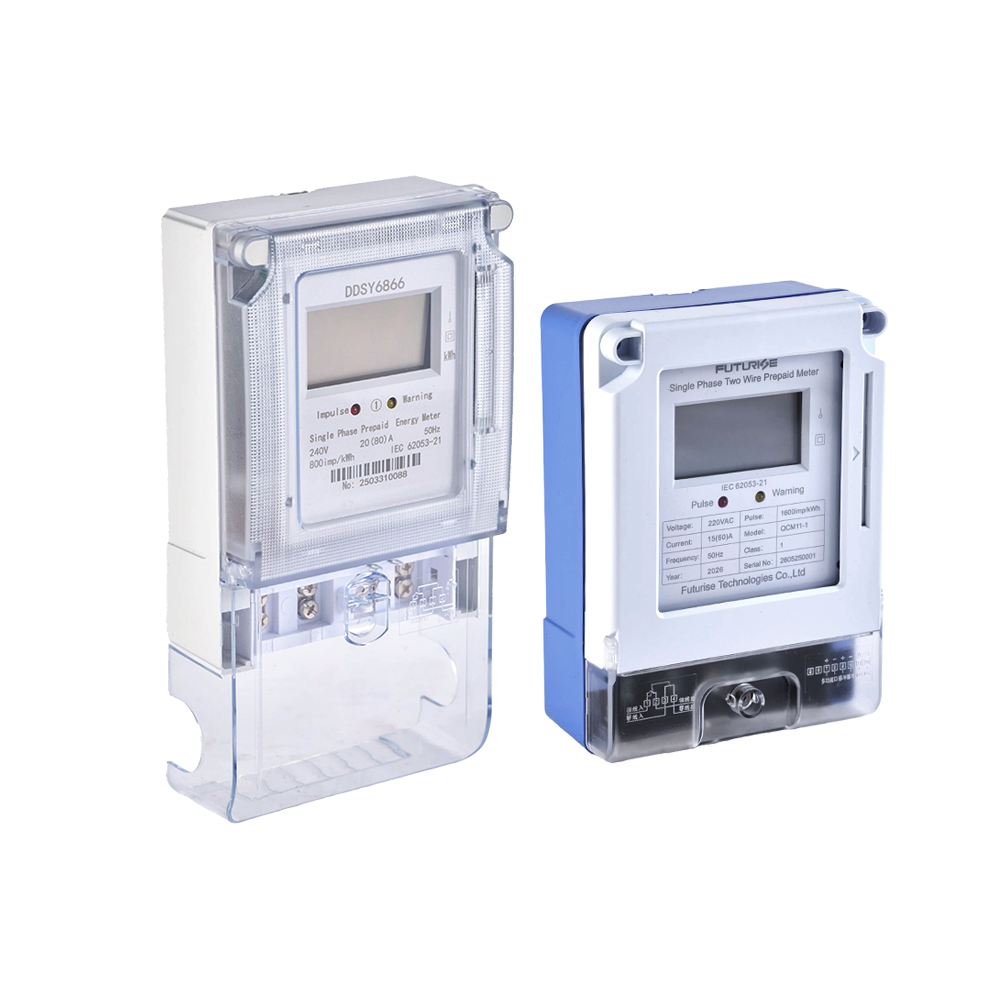
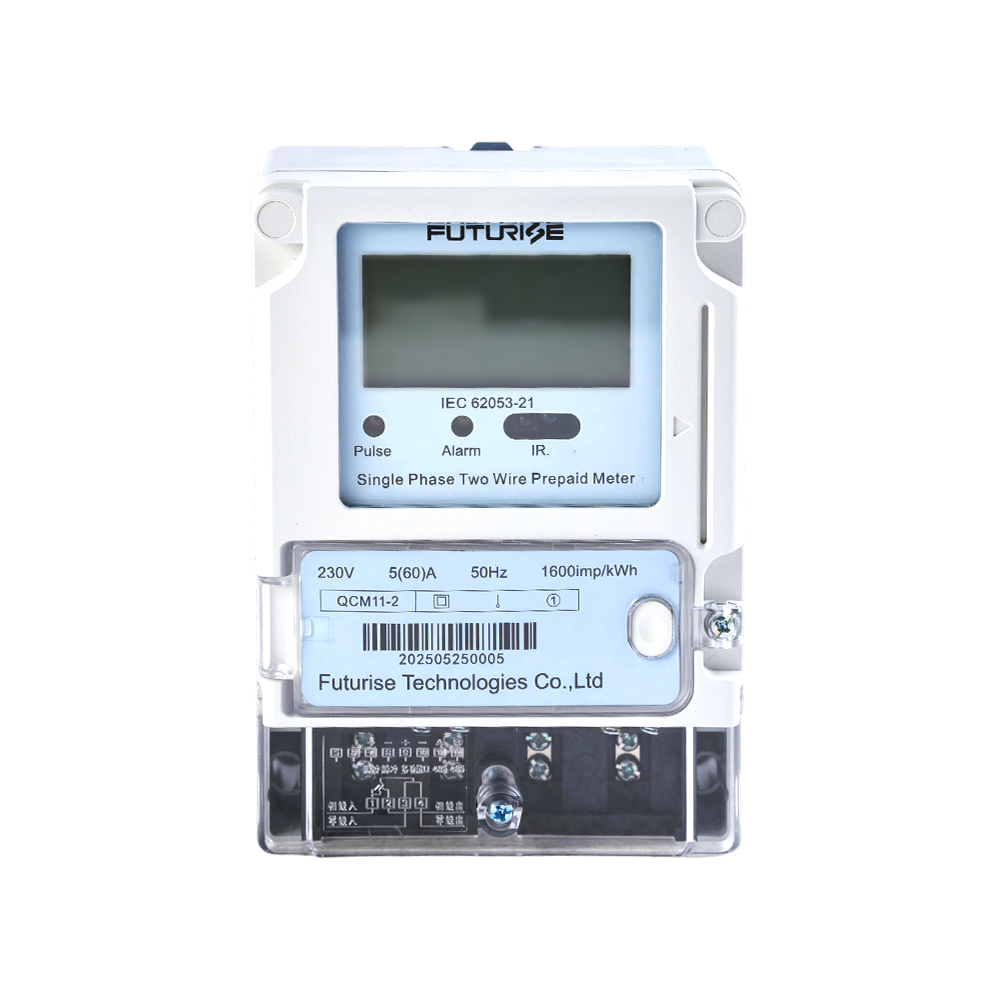
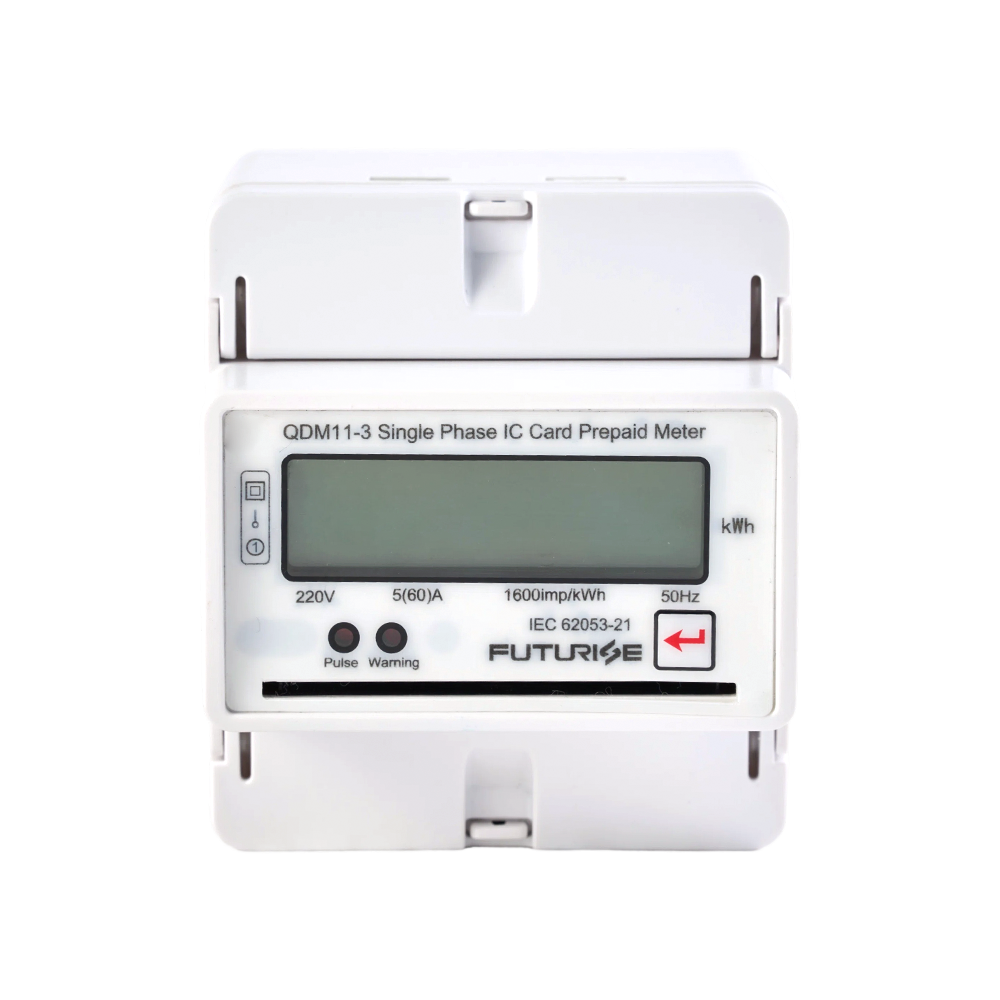
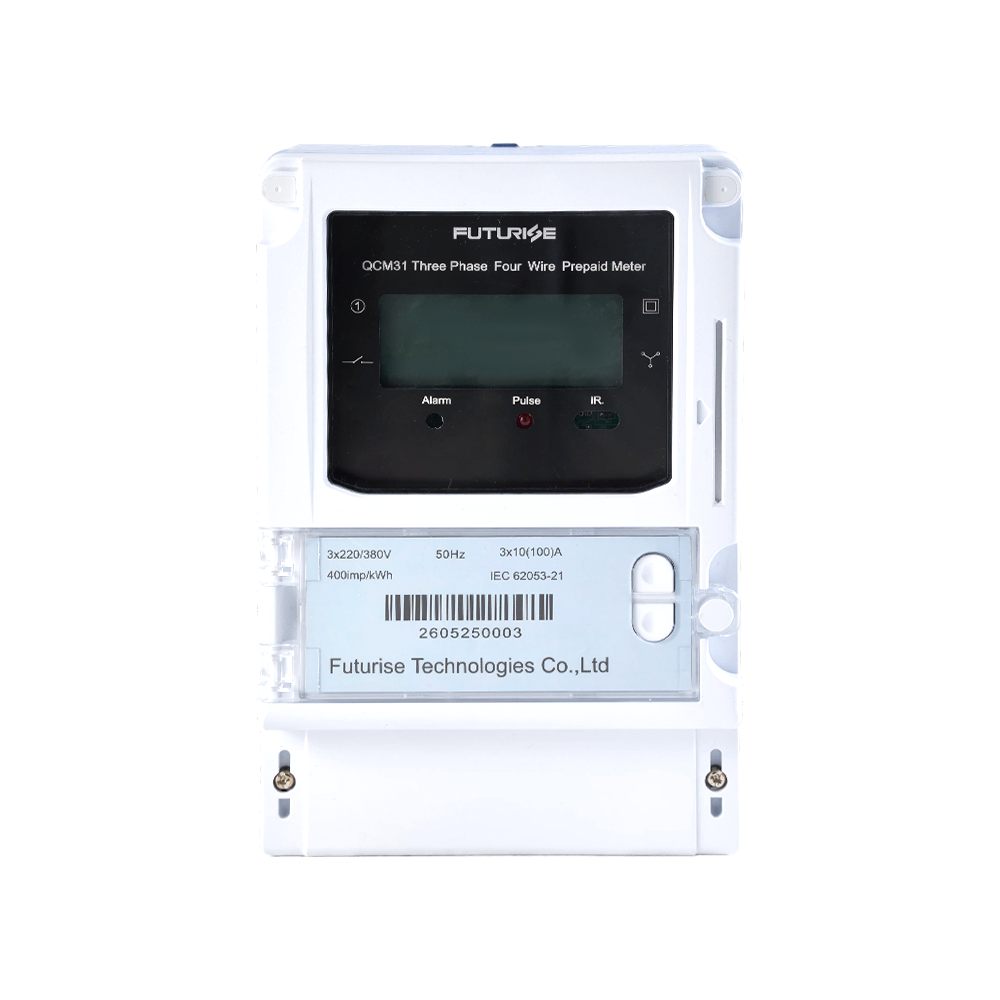
IC card prepaid meters provide a simple prepaid solution for projects that prefer card-based recharge instead of keypad token input. Users can load credit through an IC card, making the payment process easy to understand and convenient for daily use. This type of meter is often chosen for residential communities, campus housing, staff accommodation, and small commercial sites where stable prepaid billing is needed.

About Us
Futurise Technologies Co., Ltd.

Founded in 2002, FUTURISE is a professional China Single Phase Prepaid Meter Manufacturers and Three Phase Prepaid Meter company, dedicated to delivering reliable, efficient, and innovative products to global markets.

With over two decades of industry experience, our products have been widely deployed across Africa, South America, and the Middle East. To date, more than 50 million meters have been installed worldwide, with products recognized and approved by local utilities.

We specialize in smart meters, prepaid metering solutions, and energy management systems, supporting diverse applications across residential, commercial, industrial, and utility sectors.

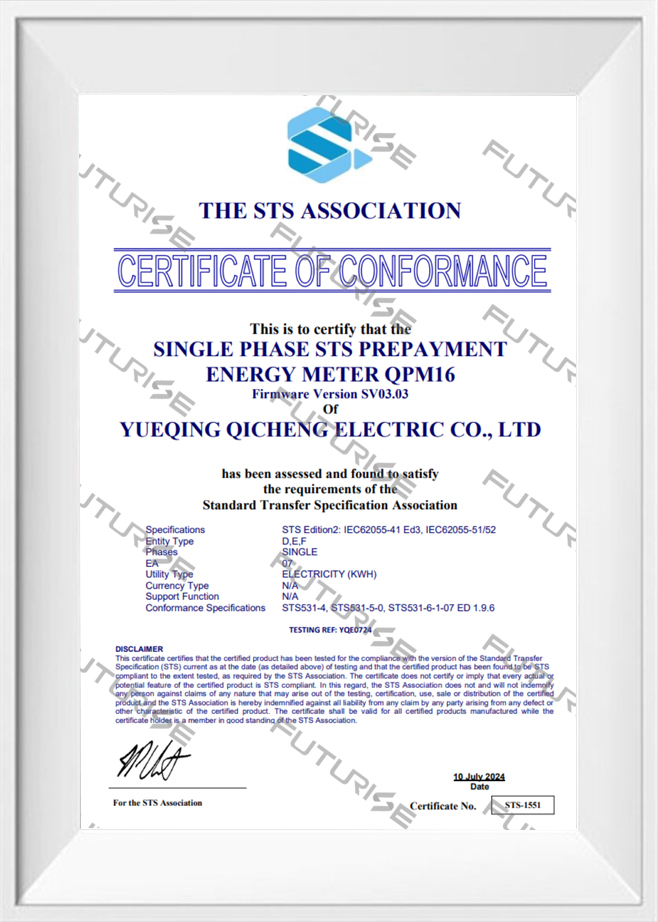
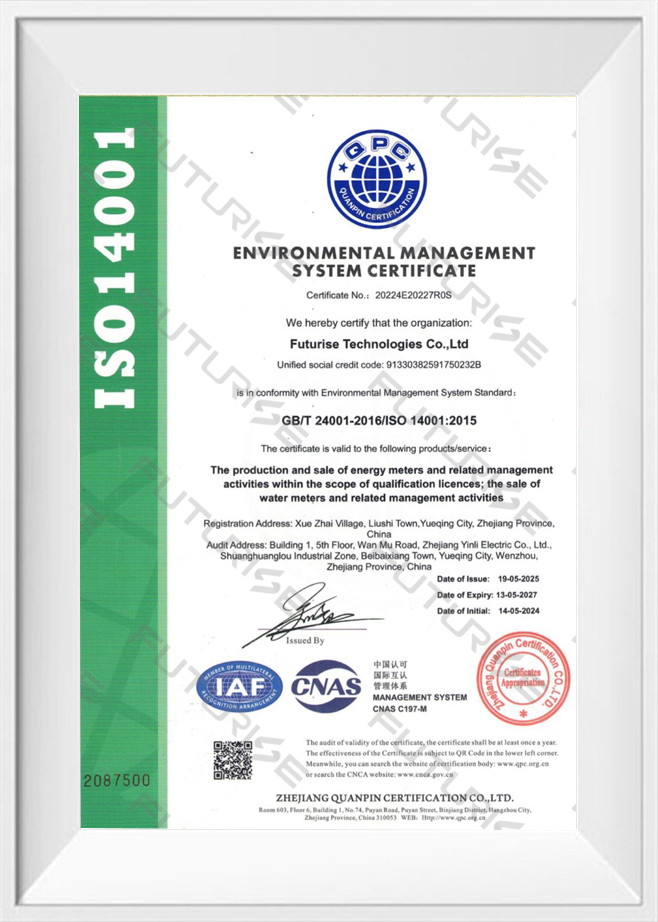
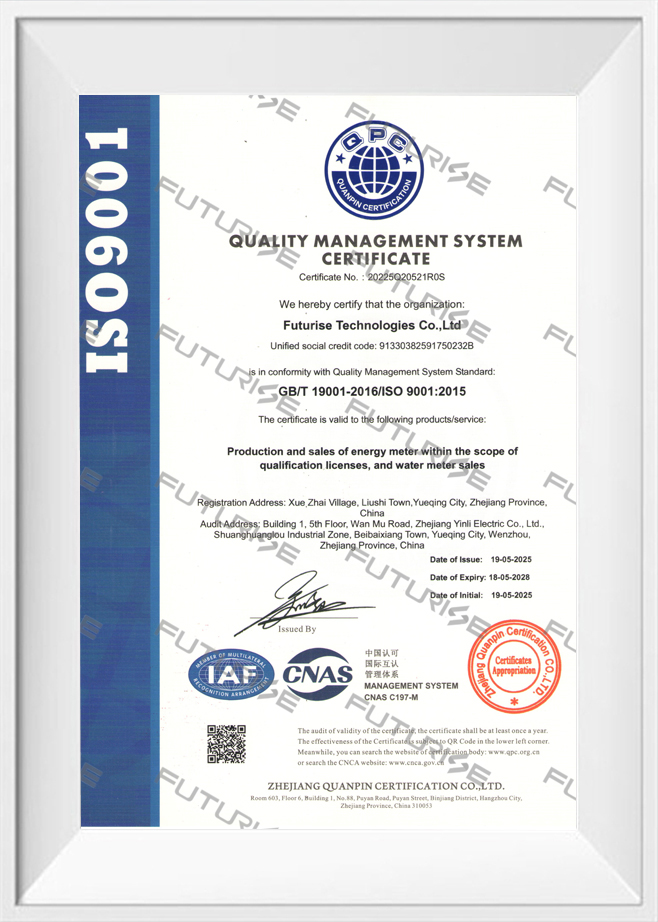
Our products comply with international standards such as STS, DLMS/COSEM, MID, and ISO, ensuring secure communication, accurate metering, and long-term performance in various environments.

FUTURISE is committed to continuous innovation and customer-oriented solutions, working closely with global partners to support efficient energy management and sustainable development.
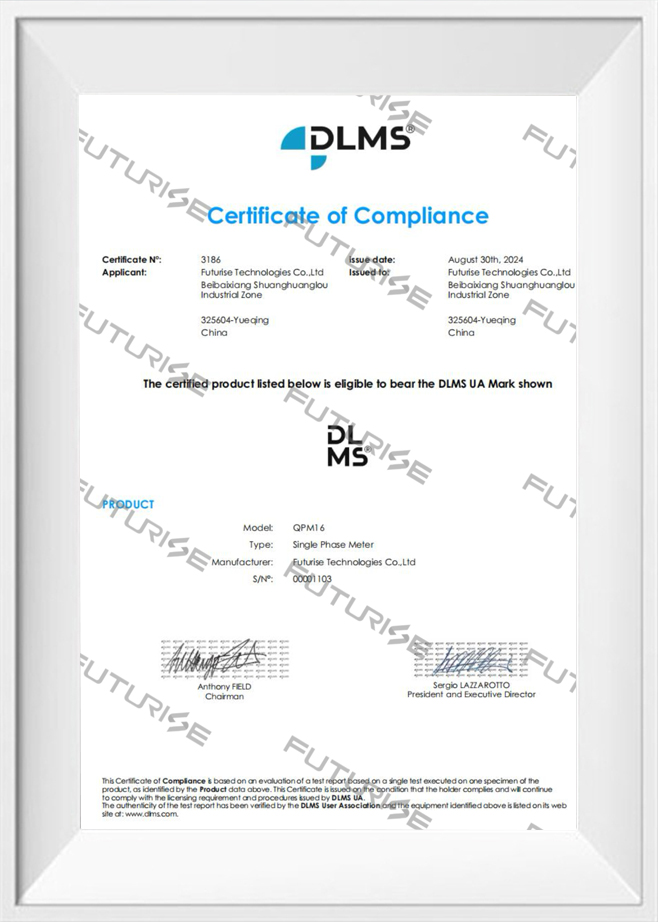
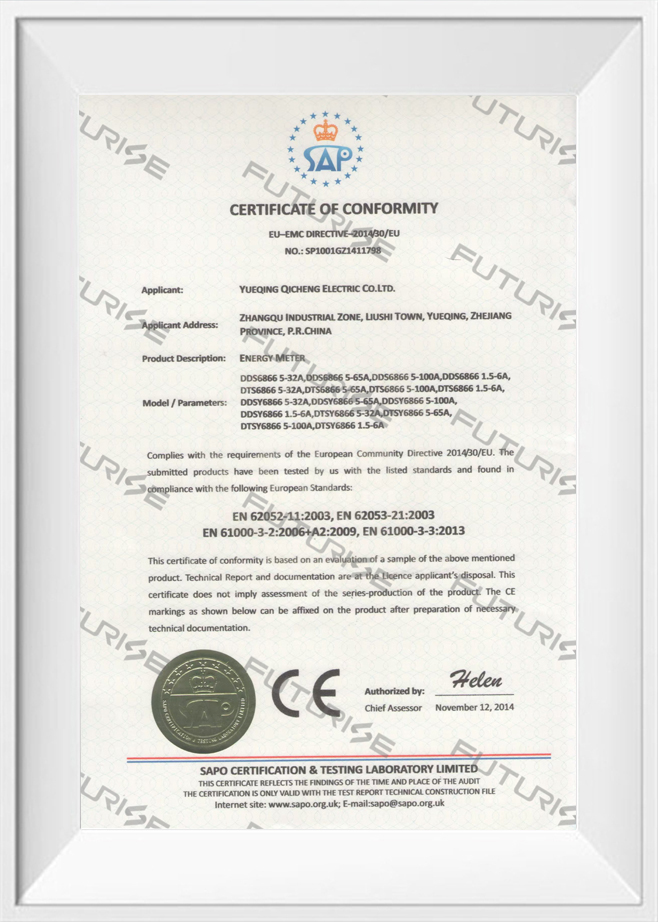
Certificate Of Honor
Blog
  • During a 2024 procurement audit, an East African distribution utility found that its three meter suppliers ran two proprietary prepayment platforms that could not read each other's tokens. Customers walked past nearby vendors to reach the single kiosk that sold credit for their specific meter bran...

    READ MORE
  • On procurement desks across Africa, South America and the Middle East, tender documents often compress the two technologies into a single line item: smart prepaid meters. The wording hides a decision that deserves two lines. A smart meter and a prepaid meter solve different utility problems, one i...

    READ MORE
  • A pallet of smart meters can pass safety testing in Rotterdam and still be legally worthless in Madrid if one detail is missing: the meters are not MID certified. Under European rules, an electricity meter without Measuring Instruments Directive approval cannot be used to bill a customer, and impo...

    READ MORE
IC Card Prepaid Meter Industry knowledge

The global transition toward prepaid electricity metering has fundamentally reshaped how utilities, property managers, and housing authorities approach revenue collection, consumption transparency, and grid efficiency. Among the various prepaid metering technologies available, IC card prepaid meters have emerged as a particularly secure and reliable solution for residential, commercial, and industrial deployments. These meters utilize integrated circuit (IC) smart cards to transfer prepaid credits between vending systems and meters, providing enhanced security and data integrity compared to keypad-only alternatives. This article examines the key product categories, technical specifications, and application considerations that define modern IC card prepaid metering solutions.

Single Phase IC Card Prepaid Meters: The Foundation of Residential Prepayment

Single phase IC card prepaid meters represent the most widely deployed category of smart card-based prepayment devices, primarily serving residential households, small retail establishments, and light commercial premises. These meters are designed to measure electrical consumption in standard single-phase AC power systems, which constitute the vast majority of consumer connections worldwide. A single phase prepaid meter manufacturers must deliver products that combine accurate measurement, robust security, and user-friendly card handling to meet the demands of large-scale utility deployments.

The core functionality of a single phase IC card prepaid meter encompasses bi-directional energy measurement, secure IC card reading and writing, credit management, and real-time consumption display. Users purchase electricity credits from vending stations or mobile platforms and receive an IC smart card loaded with the purchased credit amount. Inserting the card into the meter transfers the credit to the meter's internal memory, updates the available balance, and displays the remaining credit on the LCD screen. This process is highly secure, as the IC card incorporates encryption and authentication protocols that prevent unauthorized credit duplication or tampering.

Founded in 2002, FUTURISE has established itself as a professional provider of smart metering and energy solutions, with its IC card prepaid meter portfolio including the QSM11-C series, which has been deployed extensively across residential and utility projects in Africa, South America, and the Middle East. Working with a reputable single phase electric prepaid meter manufacturer ensures that utilities receive products that comply with international standards such as IEC 62053 for accuracy and IEC 62055 for prepayment security, along with the necessary certification support for regional approvals including NEMSA in Nigeria and KPLC technical approval in Kenya.

Typical applications for single phase IC card prepaid meters include residential estates, where property owners benefit from reduced billing disputes and improved collection rates; rental accommodations, where landlords can eliminate the risk of unpaid utility bills; and rural electrification programs, where prepaid metering provides revenue protection and empowers consumers with transparent usage information. For single phase prepaid meter wholesale procurement, utilities and distributors benefit from economies of scale that reduce per-unit costs while maintaining consistent quality across large-volume orders.

Key Advantages of Single Phase IC Card Prepaid Meters

  • Enhanced security: IC card encryption and authentication prevent unauthorized credit duplication or tampering.
  • User-friendly operation: Simple card insertion and clear LCD display make prepayment accessible to consumers with varying literacy levels.
  • Multi-tariff support: Advanced tariff management enables time-of-use pricing and inclining block tariffs for complex billing scenarios.
  • Tamper detection: Built-in algorithms detect magnetic interference and other fraud attempts, protecting utility revenue.
  • Durable card design: IC cards withstand frequent handling and are resistant to wear and environmental factors.

Three Phase IC Card Prepaid Meters: Powering Commercial and Industrial Applications

Three phase IC card prepaid meters are engineered for high-capacity electrical systems commonly found in commercial buildings, industrial facilities, and utility distribution substations. These meters measure consumption across three-phase AC power systems, which deliver higher power capacity and greater efficiency for heavy loads such as motors, HVAC systems, industrial machinery, and large-scale lighting installations. The selection of reliable three phase prepaid meter manufacturers is critical for projects requiring robust performance under demanding operational conditions.

Technical specifications for three phase IC card prepaid meters include higher current ratings (direct connection up to 100A or CT-connected for higher currents), broader voltage ranges, and enhanced accuracy classes (Class 0.5S or better) to support precise billing for high-consumption customers. These meters also offer advanced power quality analysis, including harmonic distortion measurement, voltage sag and swell detection, and power factor monitoring—capabilities essential for industrial energy management and grid stability assessment. Additionally, the IC card interface supports secure credit transfer for bulk purchases, enabling efficient management of high-value transactions.

FUTURISE offers three phase IC card prepaid metering solutions that comply with international standards, ensuring interoperability with existing utility infrastructure. With more than 50 million meters installed globally and products recognized by local utilities across Africa, South America, and the Middle East, FUTURISE has demonstrated its ability to deliver high-quality prepaid metering solutions at scale. A trusted three phase prepaid meter company provides not only the hardware but also the technical support, certification assistance, and after-sales service required for successful project implementation.

Key application scenarios for three phase IC card prepaid meters include large commercial buildings requiring accurate billing for high-consumption tenants; industrial plants where energy consumption represents a significant operational cost requiring detailed monitoring; and utility distribution networks where transformers and feeders must be monitored for grid management and loss reduction programs. For three phase prepaid meter wholesale procurement, utilities and industrial clients benefit from consistent quality, standardized interfaces, and volume-based pricing that reduces total project costs.

Distinctive Features of Three Phase IC Card Prepaid Meters

  1. 1 Higher accuracy requirements: Class 0.5S or better accuracy ensures precise billing for high-consumption industrial and commercial customers.
  2. 2 Advanced power quality monitoring: Harmonics analysis, sag/swell detection, and power factor measurement support industrial energy management.
  3. 3 Flexible connectivity: CT or direct connection options accommodate a wide range of current ratings, from small commercial loads to large industrial feeders.
  4. 4 Multi-tariff support: Advanced tariff management enables time-of-use pricing, demand charges, and seasonal rate structures for complex commercial billing.

230V IC Card Prepaid Meters: Standardized Solutions for Global Markets

The 230v electric prepaid meter represents the standardized solution for markets operating on the 230V nominal voltage, which is the predominant standard across Europe, Africa, Asia, and the Middle East. A 230v electric prepaid meter is specifically designed to operate within the voltage tolerance ranges typical of these regions, ensuring accurate measurement and reliable performance under varying grid conditions. This standardization simplifies procurement, installation, and maintenance across multiple countries and utilities.

The core functionality of a 230v electric prepaid meter incorporates the same advanced features as other IC card prepaid meters—accurate energy measurement, IC card credit transfer, tamper detection, and clear consumption display—but with specifications optimized for 230V systems. These meters typically support a voltage range of 180V to 280V, accommodating variations common in real-world grid conditions. The IC card interface provides secure credit transfer, enabling utilities to deploy standardized prepayment programs across their entire service territory.

FUTURISE offers 230V IC card prepaid metering solutions that comply with international accuracy standards, ensuring reliable performance across diverse operating conditions. With more than 50 million meters installed globally and products recognized by local utilities across Africa, South America, and the Middle East, FUTURISE has accumulated extensive field experience in standardized prepaid meter deployments, providing utilities with proven, reliable solutions for their prepaid metering initiatives.

Typical use cases for 230V IC card prepaid meters include national utility rollouts where standardized voltage requirements simplify procurement; cross-border electrification projects where equipment interoperability across multiple countries is essential; and large-scale residential developments where uniform metering specifications reduce complexity and cost. The standardized voltage rating also facilitates easier maintenance and spare parts management across diverse installations.

Comparative Analysis of IC Card Prepaid Meter Types

Feature / Category Single Phase IC Card Prepaid Meter Three Phase IC Card Prepaid Meter 230V IC Card Prepaid Meter
Primary Application Residential, small retail, light commercial Commercial buildings, industrial plants, utility substations Standardized deployments across 230V regions
Voltage Rating 120V/230V (region specific) 230V/400V (region specific) 230V nominal (180V-280V range)
Accuracy Class Class 1 Class 0.5S or better Class 1
IC Card Security Encrypted, authentication-protected Encrypted, authentication-protected Encrypted, authentication-protected
Power Quality Monitoring Basic voltage/current THD, harmonics, sag/swell detection Basic voltage/current

How to Select the Right IC Card Prepaid Meter Partner

When evaluating suppliers of IC card prepaid metering solutions, procurement teams, utility managers, and property developers should consider the following criteria to ensure a successful long-term partnership:

  • Standards certification: Verify IEC 62053 and IEC 62055 compliance to ensure accuracy and prepayment security.
  • Regional approval support: Assess the supplier's capability to assist with local certifications such as NEMSA in Nigeria or KPLC approval in Kenya.
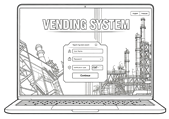
  • Card compatibility: Ensure IC cards are compatible with your existing vending infrastructure or that the supplier can provide a complete vending solution.
  • Manufacturing scale: Evaluate production capacity, quality control systems, and track record in delivering bulk orders consistently.

For detailed product specifications, technical documentation, or custom solution inquiries, visit the single phase prepaid meter manufacturers product page to explore the full portfolio of IC card prepaid metering solutions.

Frequently Asked Questions

Q1: What is an IC card prepaid meter and how does it work?

An IC card prepaid meter is an electricity meter that uses integrated circuit (smart) cards to transfer prepaid credits from vending systems to the meter. Users purchase electricity credits and receive an IC card loaded with the credit amount. Inserting the card into the meter transfers the credit to the meter's internal memory, updates the available balance, and displays the remaining credit. The IC card incorporates encryption and authentication to prevent unauthorized duplication or tampering.

Q2: What is the difference between a single phase and a three phase IC card prepaid meter?

A single phase electric prepaid meter measures consumption in standard single-phase AC systems, typically used in residential and light commercial applications. A three phase IC card prepaid meter is designed for three-phase systems found in commercial buildings, industrial facilities, and utility substations, offering higher accuracy and advanced power quality monitoring. The choice depends on the electrical service type and the load profile of the site being metered.

Q3: What is a 230v electric prepaid meter and where is it used?

A 230v electric prepaid meter is specifically designed for 230V nominal voltage systems, the predominant standard across Europe, Africa, Asia, and the Middle East. It operates within a voltage range of 180V to 280V, accommodating variations common in real-world grid conditions. This standardization simplifies procurement, installation, and maintenance across multiple countries and utilities.

Q4: What should I look for when selecting single phase prepaid meter manufacturers for a residential project?

When selecting single phase prepaid meter manufacturers for residential projects, verify IEC standards compliance (IEC 62053 for accuracy, IEC 62055 for prepayment), confirm regional approval capabilities (NEMSA, KPLC), assess manufacturing scale and quality control, and evaluate IC card compatibility with your vending infrastructure. Manufacturers with proven global deployment experience provide greater assurance of product reliability.

Q5: What are the benefits of three phase prepaid meter wholesale procurement?

Three phase prepaid meter wholesale procurement offers utilities and industrial clients significant cost advantages through economies of scale, consistent product quality across large volumes, and simplified logistics. It enables standardization on a single meter platform, reducing training requirements, spare parts inventory, and integration complexity. A reliable three phase prepaid meter company provides technical support and certification assistance to ensure successful project implementation.