
The rapid expansion of renewable energy systems, electric vehicle charging infrastructure, and DC-powered industrial equipment has created unprecedented demand for accurate direct current (DC) metering solutions. Unlike traditional alternating current (AC) meters that dominate residential and commercial applications, DC meters are specifically engineered to measure electrical energy in DC circuits, where current flows in a single direction. This specialized measurement capability is essential for monitoring energy generation from solar photovoltaic (PV) systems, tracking consumption in battery storage installations, and managing power distribution in DC microgrids. This article examines the key product categories, technical specifications, and application considerations that define modern DC metering solutions.
DC Energy Meters: The Foundation of Direct Current Measurement
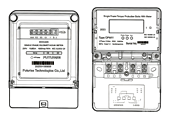
DC energy meters are specialized measurement devices designed to accurately quantify electrical energy in direct current circuits. Unlike AC meters that measure sinusoidal waveforms, DC meters must handle steady-state current and voltage measurements with high precision, typically utilizing shunt resistors or Hall effect sensors for current sensing. A wholesale dc meter supplier must deliver products that combine accurate measurement, reliable communication, and robust construction to meet the demands of renewable energy and industrial applications.
The core functionality of a DC energy meter encompasses bi-directional measurement capability (for applications involving both charging and discharging), high-precision voltage and current sensing, power and energy calculation, and communication via industry-standard protocols such as Modbus RTU or Modbus TCP. These meters also feature clear LCD displays showing real-time parameters including voltage, current, power, and cumulative energy in both kilowatt-hours (kWh) and amp-hours (Ah), providing comprehensive visibility into DC system performance.
Founded in 2002, FUTURISE has established itself as a professional provider of smart metering and energy solutions, with its DC metering portfolio complementing its extensive range of AC metering products. A wholesale dc meter partner ensures that system integrators and facility managers receive products that comply with international standards such as IEC 62053 for accuracy, along with the necessary technical support for successful deployment. With over two decades of industry experience, FUTURISE has accumulated deep engineering expertise across multiple metering technologies, supporting diverse applications across renewable energy, telecommunications, and industrial sectors.
Typical applications for DC energy meters include solar PV installations, where meters track energy generation from solar panels for performance monitoring and feed-in tariff calculations; battery energy storage systems (BESS), where bi-directional measurement captures both charging and discharging cycles; and electric vehicle charging stations, where accurate energy measurement is essential for billing and operational management. For wholesale dc meter procurement, renewable energy developers and system integrators benefit from economies of scale that reduce per-unit costs while maintaining consistent quality across large-volume orders.
Key Advantages of DC Energy Meters
- ✓ High-precision DC measurement: Dedicated DC sensing technology ensures accurate energy measurement in applications where AC meters are unsuitable.
- ✓ Bi-directional capability: Many DC meters support both import and export measurement, essential for battery storage and vehicle-to-grid applications.
- ✓ Wide voltage range: Support for DC voltages from 12V to 1000V accommodates diverse applications from small residential systems to large industrial installations.
- ✓ Communication flexibility: Support for Modbus, pulse outputs, and other protocols enables integration with building management and energy monitoring systems.
- ✓ Compact form factor: Din-rail mounting options enable efficient installation in distribution panels and control cabinets.
DC Din-Rail Meters: Compact Solutions for Panel Integration
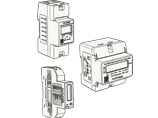
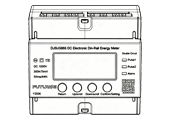
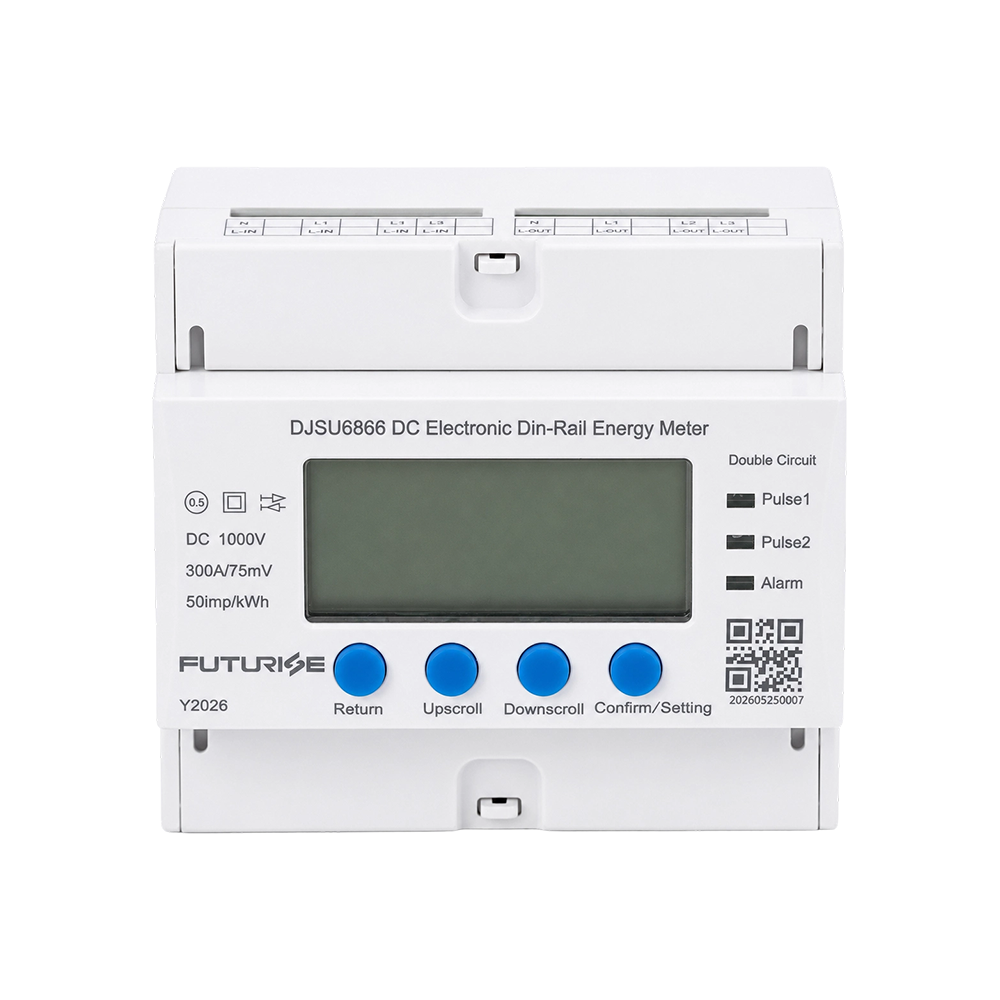
DC din-rail meters represent a specialized category of DC metering devices designed for standardized mounting on DIN rails in electrical distribution panels, control cabinets, and equipment racks. These meters combine the measurement capabilities of DC energy meters with the space-efficient, clip-on mounting format that is standard in industrial and commercial electrical installations. A wholesale dc meter supplier offering din-rail options provides system integrators with flexible solutions for a wide range of DC measurement applications.
The core functionality of a DC din-rail meter includes DC voltage and current measurement, energy calculation (kWh and Ah), and communication via Modbus RTU or pulse outputs. These meters are available in both single-channel and multi-channel configurations, enabling measurement of multiple DC circuits within a single enclosure. The compact form factor—typically occupying only a few DIN rail modules—enables high-density installation in limited panel space, making them ideal for applications where panel real estate is at a premium.
FUTURISE offers DC din-rail metering solutions that comply with international accuracy standards, ensuring reliable performance across diverse operating conditions. With more than 50 million meters installed globally and products recognized by local utilities across Africa, South America, and the Middle East, FUTURISE has accumulated extensive field experience in DC metering deployments. For wholesale dc meter procurement, industrial and commercial clients benefit from consistent quality, standardized interfaces, and volume-based pricing that reduces total project costs.
Key application scenarios for DC din-rail meters include telecommunications power systems, where meters monitor DC power consumption of base transceiver stations and data centers; solar combiner boxes, where individual string monitoring requires compact, cost-effective measurement; and industrial control panels, where DC drives and power supplies require accurate energy monitoring for efficiency optimization.
Advantages of DC Din-Rail Meters
- 1 Space-efficient design: Standardized DIN rail mounting enables high-density installation, reducing panel size and material costs.
- 2 Simplified installation: Clip-on mounting eliminates the need for drilling or special brackets, reducing labor costs and installation time.
- 3 Multi-circuit capability: Multi-channel configurations enable measurement of multiple DC circuits within a single meter, reducing component count.
- 4 Seamless integration: Standard communication protocols (Modbus, pulse) enable easy integration with building management and SCADA systems.
DC Smart Meters: Intelligent Measurement for Advanced Applications
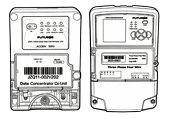
DC smart meters represent the cutting edge of direct current measurement technology, incorporating advanced communication capabilities, data logging, and remote configuration features that enable sophisticated energy management applications. These meters combine the core measurement functionality of traditional DC meters with digital intelligence, supporting applications such as real-time performance monitoring, demand response, and predictive maintenance. A wholesale dc meter supplier offering smart metering solutions provides utilities and facility managers with the data-driven insights required for modern energy management.
Advanced capabilities of DC smart meters include data logging at configurable intervals (from seconds to hours), event recording for alarm and fault detection, remote configuration and firmware updates, and communication via multiple protocols including Modbus TCP, BACnet, and Mbus. These meters also support advanced analytics such as efficiency calculations, trend analysis, and predictive maintenance alerts, enabling operators to optimize DC system performance and reduce operational costs.
FUTURISE offers DC smart metering solutions that comply with international communication standards, ensuring interoperability with existing infrastructure. With more than 50 million meters installed globally and products recognized by local utilities across Africa, South America, and the Middle East, FUTURISE has demonstrated its ability to deliver high-quality smart metering solutions at scale. For wholesale dc meter procurement, utilities and industrial clients benefit from standardized interfaces, remote management capabilities, and comprehensive data visibility that supports informed decision-making.
Typical applications for DC smart meters include large-scale solar PV farms requiring centralized performance monitoring and reporting; commercial battery storage systems where detailed operational data is essential for financial optimization; and DC microgrids where real-time monitoring and control are critical for system stability and reliability.
Comparative Analysis of DC Meter Types
| Feature / Category |
DC Energy Meter |
DC Din-Rail Meter |
DC Smart Meter |
| Primary Application |
Solar PV, battery storage, EV charging |
Telecom power, solar combiner boxes, industrial panels |
Large PV farms, BESS, DC microgrids |
| Mounting Type |
Din-rail or panel mount |
Din-rail (clip-on) |
Din-rail or panel mount |
| Communication |
Modbus, pulse output |
Modbus RTU, pulse output |
Modbus TCP, BACnet, Mbus |
| Data Logging |
Basic (kWh/Ah totals) |
Advanced (interval logging, events) |
| Remote Configuration |
Limited |
Limited |
Full (firmware updates, parameters) |
How to Select the Right DC Meter Partner
When evaluating suppliers of DC metering solutions, procurement teams, system integrators, and facility managers should consider the following criteria to ensure a successful long-term partnership:
- ✓ Accuracy certification: Verify IEC 62053 compliance to ensure measurement accuracy and reliability for billing and performance monitoring.
- ✓ Voltage and current range: Confirm the meter supports the specific DC voltage and current ranges required for your application (up to 1000V DC).
- ✓ Communication compatibility: Ensure communication protocols (Modbus, pulse) are compatible with your existing building management or SCADA systems.
- ✓ Manufacturing scale: Evaluate production capacity and quality control systems for consistent quality across large-volume orders.
For detailed product specifications, technical documentation, or custom solution inquiries, visit the dc meter product page to explore the full portfolio of DC energy, din-rail, and smart DC metering solutions.
Frequently Asked Questions
Q1: What is a DC meter and how does it differ from an AC meter?
A DC meter is specifically designed to measure electrical energy in direct current circuits, where current flows in a single direction. Unlike AC meters that measure sinusoidal waveforms, DC meters use specialized sensing technology (shunt resistors or Hall effect sensors) to accurately measure steady-state current and voltage. DC meters are essential for applications such as solar PV, battery storage, and electric vehicle charging, where AC meters are unsuitable.
Q2: What voltage ranges do DC meters support?
DC meters are available in a wide range of voltage configurations, from low-voltage applications such as 12V and 24V DC (common in telecommunications and automotive) to high-voltage applications up to 600V DC (solar PV) and even 1000V DC (large-scale solar farms and battery storage systems). When selecting a DC meter, confirm that the voltage and current ratings match your specific application requirements.
Q3: What is wholesale DC meter procurement and what are its benefits?
Wholesale dc meter procurement involves purchasing DC meters in large quantities directly from manufacturers or authorized distributors at volume-based pricing. Benefits include reduced per-unit costs, consistent product quality, standardized specifications, simplified logistics, and streamlined training and maintenance across all installations. Wholesale dc meter procurement is particularly advantageous for renewable energy developers, system integrators, and utilities undertaking large-scale DC metering projects.
Q4: What industries and applications use DC meters?
DC meters are widely used across renewable energy (solar PV monitoring and feed-in tariff measurement), energy storage (battery charge/discharge tracking), electric vehicle charging infrastructure (billing and operational management), telecommunications (DC power consumption monitoring), data centers (DC power distribution measurement), and industrial automation (DC drive and power supply monitoring).
Q5: What should I look for when selecting a DC meter for a solar PV installation?
When selecting a DC meter for solar PV applications, consider the system's maximum DC voltage and current, required accuracy class (typically Class 1 or better), communication protocol compatibility (Modbus is standard), bi-directional measurement capability (if used with battery storage), and environmental ratings (temperature, humidity, and weather protection for outdoor installations). A wholesale dc meter supplier with renewable energy experience can provide guidance on selecting the right meter for your specific solar installation.