
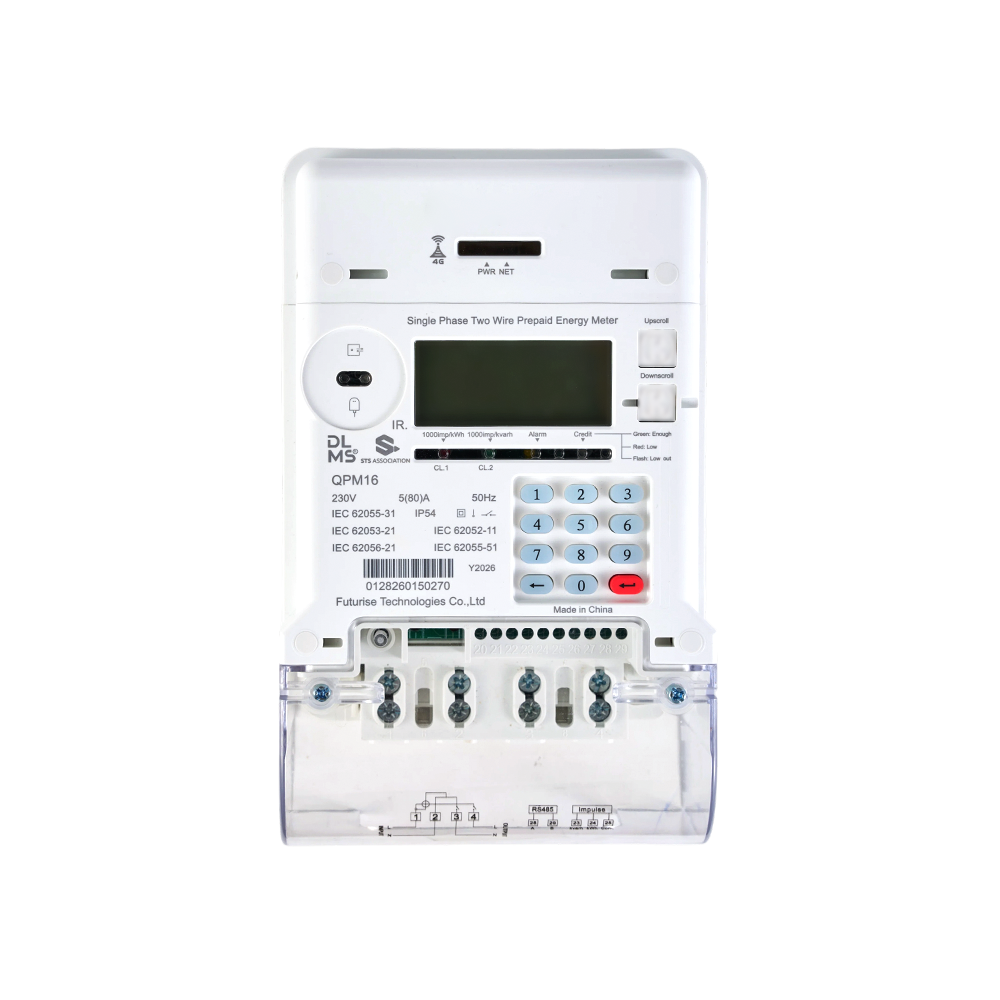
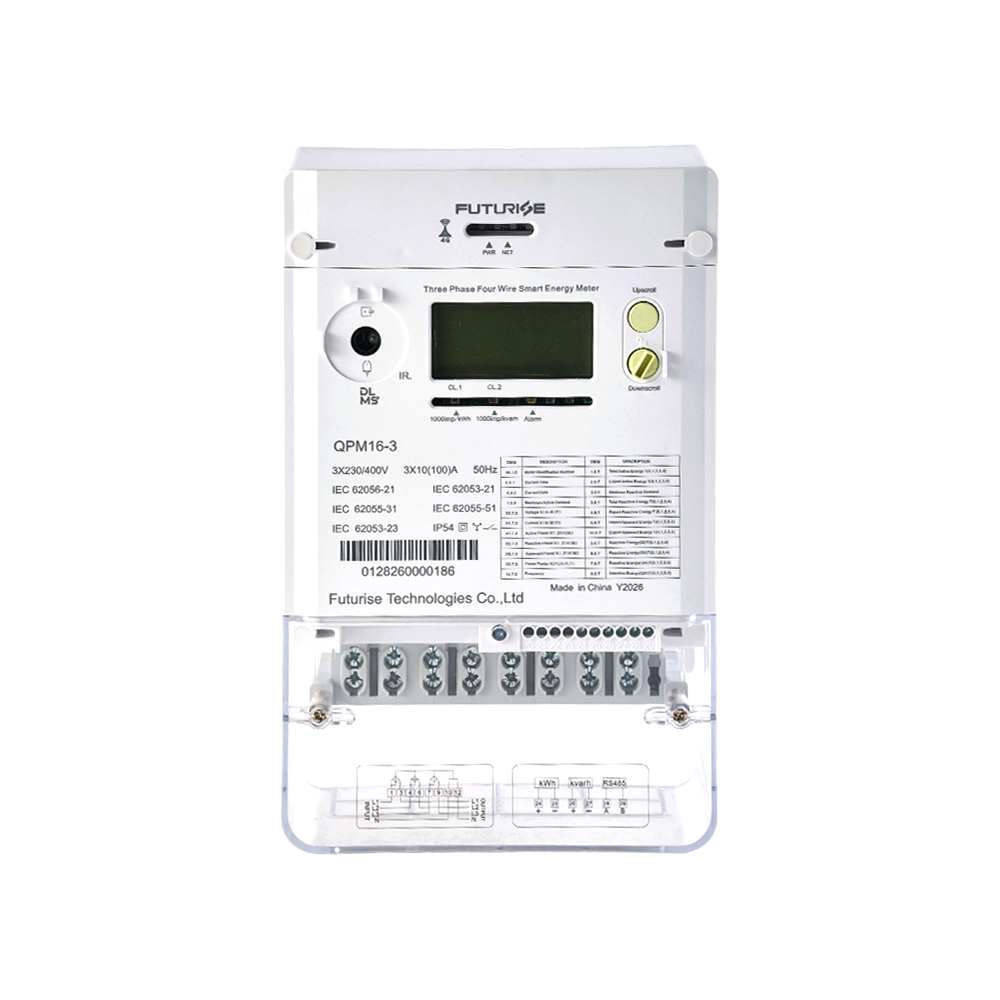
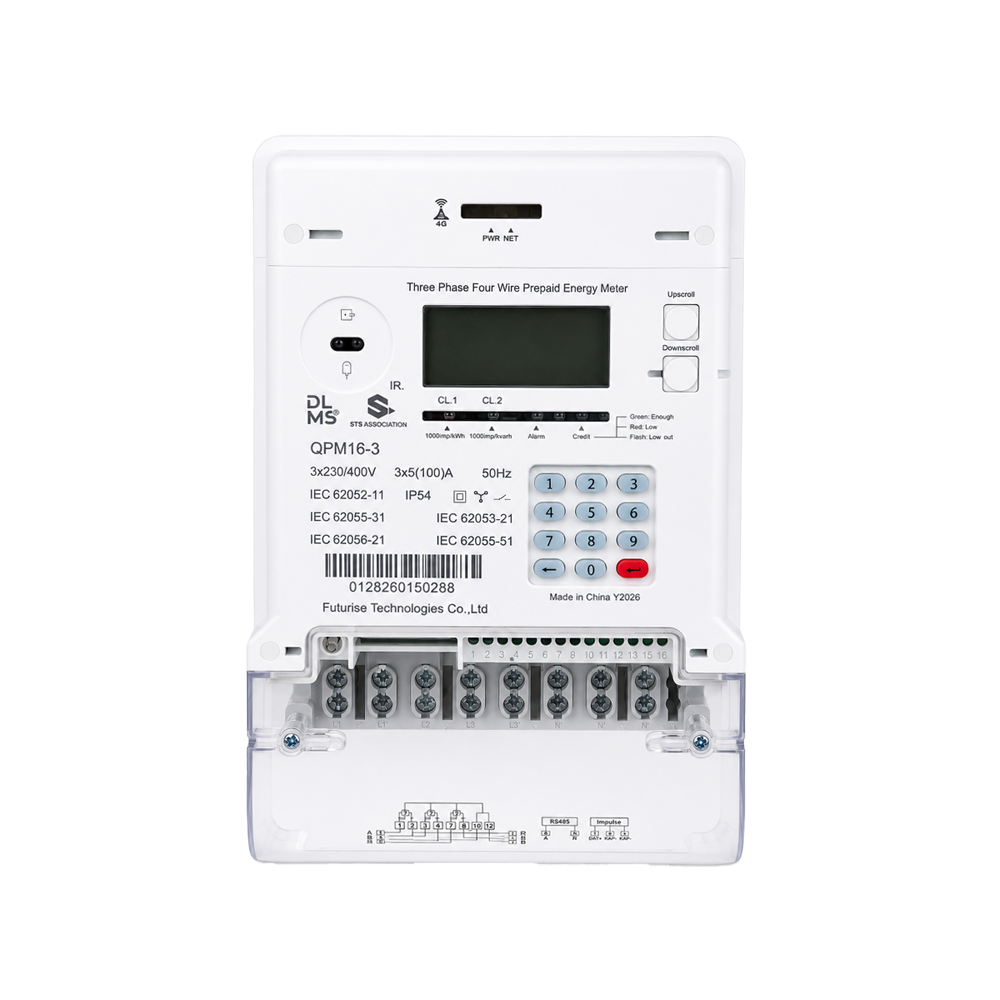
The global energy landscape is undergoing a profound transformation, driven by the imperative for grid modernization, renewable energy integration, and consumer empowerment. At the heart of this transformation lies the smart meter—a sophisticated electronic device that has evolved far beyond the traditional electromechanical meter's role of simply measuring consumption. Today's smart meters are intelligent edge-computing nodes that enable real-time monitoring, two-way communication, remote control, and data analytics. This article examines the key product categories within the smart metering ecosystem, providing technical professionals, procurement specialists, and utility decision-makers with a comprehensive understanding of the capabilities, applications, and selection criteria for modern smart metering solutions.
Single Phase Smart Meters: The Foundation of Residential and Light Commercial Metering
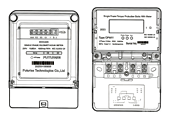
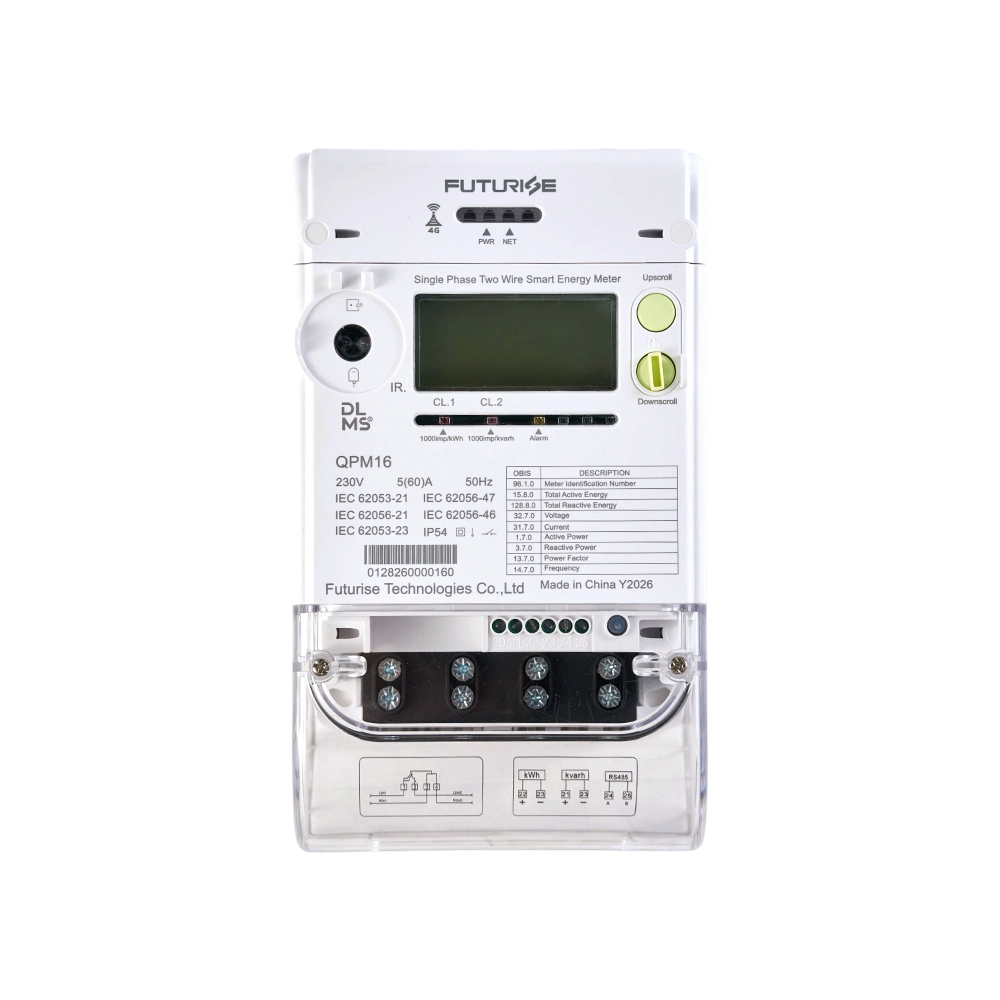
Single phase smart meters represent the most widely deployed category of intelligent metering devices, primarily serving residential households, small retail establishments, and light commercial premises. These meters are designed to measure electrical consumption in standard single-phase AC power systems, which constitute the vast majority of consumer connections worldwide. A single phase smart meter manufacturers must deliver products that combine accurate measurement, reliable communication, and cost-effective production to meet the demands of large-scale utility deployments.
The core functionality of a single phase smart meter encompasses bi-directional energy measurement (both import and export), power quality monitoring (including voltage, current, power factor, and frequency), load profiling with configurable integration intervals (typically 15, 30, or 60 minutes), and tamper detection algorithms that identify magnetic interference, neutral current imbalance, and other fraud attempts. These meters also feature integrated communication modules—supporting protocols such as DLMS/COSEM for data interoperability—that enable remote reading, configuration, and firmware updates.
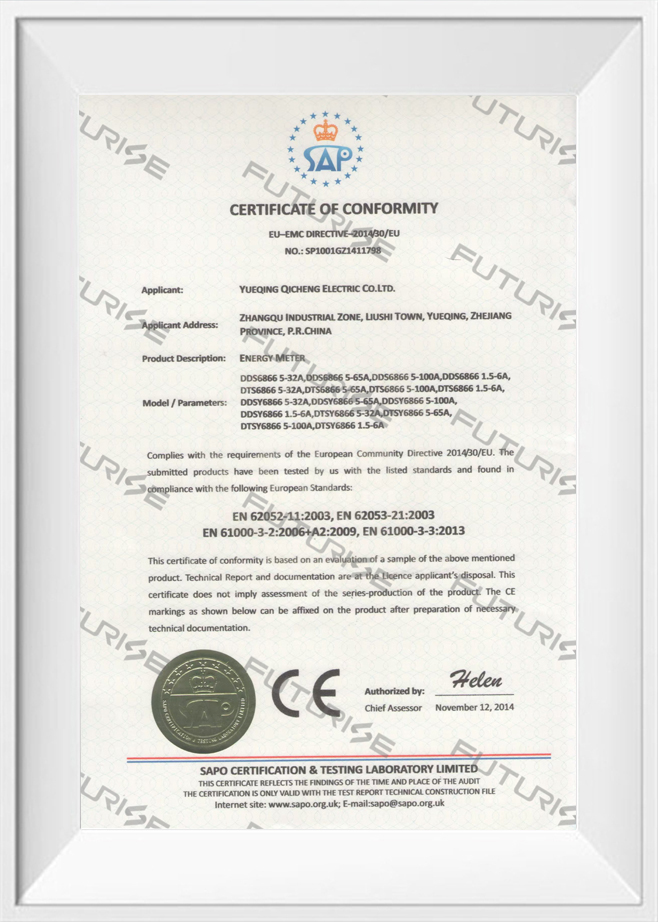
Founded in 2002, FUTURISE has established itself as a professional provider of smart metering and energy solutions, with its single phase product portfolio including the QSM11 series, which has been deployed extensively across residential smart grid projects in Africa, South America, and the Middle East. Working with a reputable single phase smart meter company ensures that utilities receive products that comply with international standards such as IEC 62053 (accuracy) and DLMS/COSEM (communication), along with the necessary certification support for regional approvals including NEMSA in Nigeria and KPLC technical approval in Kenya.
Typical applications for single phase smart meters include residential smart grid deployments, where utilities benefit from automated meter reading (AMR) and remote disconnect/reconnect capabilities; commercial sub-metering, where property owners allocate costs across multiple tenants; and solar net-metering installations, where the meter's bi-directional measurement tracks both grid consumption and solar export. The compact form factor and ease of installation make single phase meters the default choice for most residential and small commercial projects. For wholesale single phase smart meter procurement, utilities and distributors benefit from economies of scale that reduce per-unit costs while maintaining consistent quality across large-volume orders.
Key Advantages of Modern Single Phase Smart Meters
- ✓ Cost-effective deployment: Lower unit costs and simplified installation enable utilities to scale smart metering programs efficiently across millions of residential connections.
- ✓ Communication flexibility: Modular communication interfaces support PLC, RF mesh, and cellular networks, allowing adaptation to varying regional infrastructure conditions.
- ✓ Tamper detection and security: Advanced algorithms protect against magnetic interference, bypass attempts, and other fraud methods, reducing non-technical losses.
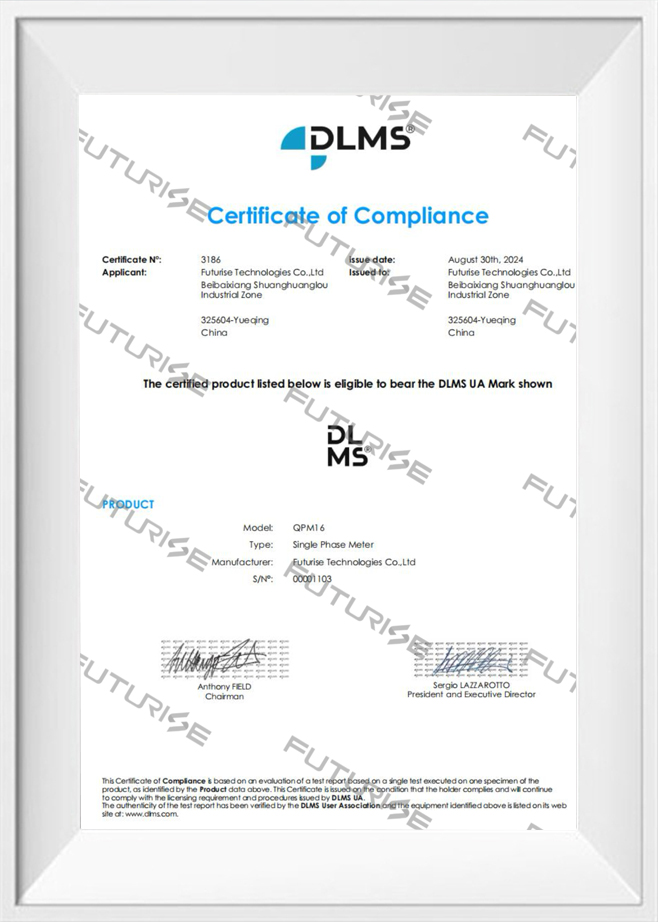
- ✓ Standards compliance: DLMS/COSEM certification ensures interoperability with third-party head-end systems, preventing vendor lock-in.
Three Phase Smart Meters: Powering Commercial, Industrial, and Utility-Scale Applications
Three phase smart meters are engineered for high-capacity electrical systems commonly found in commercial buildings, industrial facilities, and utility distribution substations. These meters measure consumption across three-phase AC power systems, which deliver higher power capacity and greater efficiency for heavy loads such as motors, HVAC systems, industrial machinery, and large-scale lighting installations. The selection of reliable three phase smart meter manufacturers is critical for projects requiring robust performance under demanding operational conditions.
Technical specifications for three phase meters include higher current ratings (direct connection up to 100A or CT-connected for higher currents), broader voltage ranges, and enhanced accuracy classes (Class 0.5S or better) to support precise billing for high-consumption customers. These meters also offer advanced power quality analysis, including harmonic distortion measurement, voltage sag and swell detection, and power factor monitoring—capabilities essential for industrial energy management and grid stability assessment.
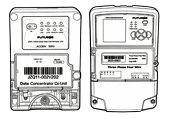
FUTURISE's three phase smart meter portfolio includes the QSM31 series, designed for commercial and industrial applications where accuracy and reliability are paramount. With more than 50 million meters installed globally and products recognized by local utilities across Africa, South America, and the Middle East, FUTURISE has demonstrated its ability to deliver high-quality metering solutions at scale. A trusted three phase smart meter manufacturers partner provides not only the hardware but also the technical support, certification assistance, and after-sales service required for successful project implementation.
Key application scenarios for three phase meters include large commercial buildings (shopping malls, office towers, hospitals) requiring accurate sub-metering for cost allocation; industrial plants where energy consumption represents a significant operational cost and requires detailed monitoring; and utility distribution networks where transformers and feeders must be monitored for grid management and loss reduction programs. For wholesale three phase smart meter procurement, utilities and industrial clients benefit from consistent quality, standardized interfaces, and volume-based pricing that reduces total project costs.
Distinctive Features of Three Phase Smart Meters
- 1 Higher accuracy requirements: Class 0.5S or better accuracy ensures precise billing for high-consumption industrial and commercial customers, reducing revenue leakage.
- 2 Advanced power quality monitoring: Harmonics analysis, sag/swell detection, and power factor measurement support industrial energy management and grid stability.
- 3 Flexible connectivity: CT or direct connection options accommodate a wide range of current ratings, from small commercial loads to large industrial feeders.
- 4 Multi-tariff support: Advanced tariff management enables time-of-use pricing, demand charges, and seasonal rate structures for complex commercial billing.
4G-Enabled Smart Energy Meters: Communication Technology and Its Implications
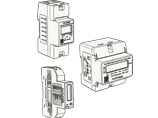
The 4G smart energy meter represents the convergence of advanced metering technology with cellular communication infrastructure, enabling real-time data transmission, remote control, and over-the-air firmware updates. Unlike traditional meters that rely on PLC (Power Line Communication) or RF mesh networks, a 4G smart energy meter connects directly to cellular networks, providing utilities with reliable, high-bandwidth communication channels that are independent of grid conditions or physical infrastructure limitations.
The integration of 4G communication capability into smart meters addresses several critical challenges faced by utilities. First, it eliminates the need for dedicated communication infrastructure such as data concentrators or mesh network repeaters, simplifying deployment in remote or challenging terrain. Second, it provides near-real-time data transmission, enabling utilities to detect outages, monitor power quality, and respond to customer issues more rapidly. Third, it supports high-frequency data collection—with intervals as short as 5 minutes—enabling advanced applications such as demand response, load forecasting, and distributed energy resource management.
FUTURISE offers 4G-enabled smart metering solutions that comply with DLMS/COSEM communication standards, ensuring seamless integration with existing head-end systems and utility back-office platforms. With products deployed across Africa, South America, and the Middle East, FUTURISE has accumulated extensive field experience in cellular-based smart metering deployments, providing utilities with proven, reliable solutions for their grid modernization initiatives.
Typical use cases for 4G smart energy meters include remote residential areas where PLC or RF communication is unreliable; commercial and industrial sites where high-frequency data collection is required for energy management; and smart city projects where meters serve as grid-edge sensors for broader urban infrastructure monitoring. The 4G capability also enables utilities to offer value-added services such as prepaid mobile top-up, consumption alerts via SMS, and remote load limiting for demand response programs.
Comparative Analysis of Smart Meter Types
| Feature / Category |
Single Phase Smart Meter |
Three Phase Smart Meter |
4G-Enabled Smart Energy Meter |
| Primary Application |
Residential, small retail, light commercial |
Commercial buildings, industrial plants, utility substations |
Remote sites, high-frequency data, smart city |
| Communication |
PLC, RF mesh, cellular (optional) |
4G LTE / NB-IoT / CAT-M1 |
| Accuracy Class |
Class 1 (standard), Class 0.5S (optional) |
Class 0.5S or better |
Varies (Class 1 to 0.5S) |
| Data Transmission |
Daily or on-demand (via concentrator) |
Near real-time (5-15 minute intervals) |
| Infrastructure Dependency |
Requires concentrator or mesh network |
Requires cellular network coverage only |
How to Choose the Right Smart Meter Manufacturer or Supplier
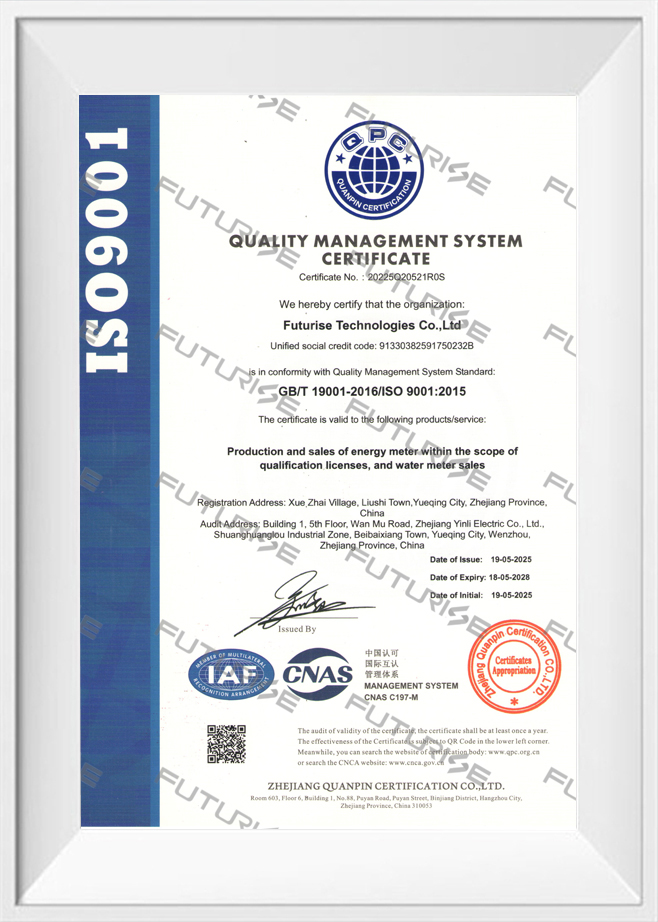
Selecting the right smart meter manufacturer is a critical decision that impacts the long-term success of any metering project. A reputable smart meter manufacturer provides not only high-quality products but also the technical support, certification assistance, and supply chain reliability necessary for large-scale deployments. Similarly, a trusted smart meter company offers value-added services including system integration, training, and after-sales support that extend beyond the hardware itself.
For distributors and utilities seeking wholesale smart meter procurement, key evaluation criteria include the manufacturer's production capacity, quality control processes, and track record of on-time delivery. The best smart energy meter manufacturers maintain vertically integrated manufacturing operations, enabling them to control quality at every stage—from component sourcing to final assembly and testing. A smart energy meter company with global deployment experience—such as FUTURISE, with more than 50 million meters installed worldwide—offers proven reliability across diverse environmental conditions and regulatory frameworks.
When evaluating wholesale smart energy meter suppliers, consider the following factors:
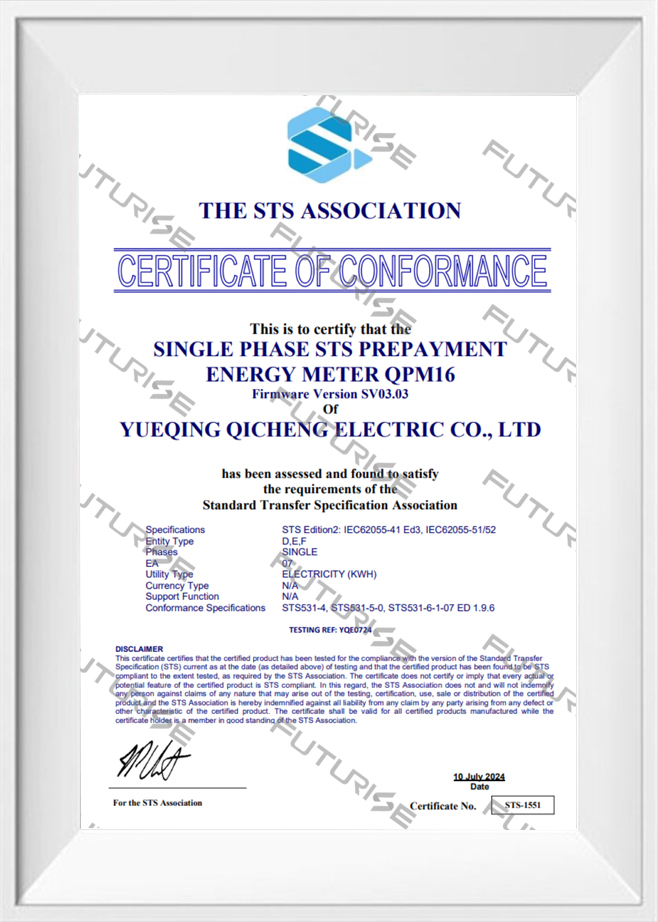
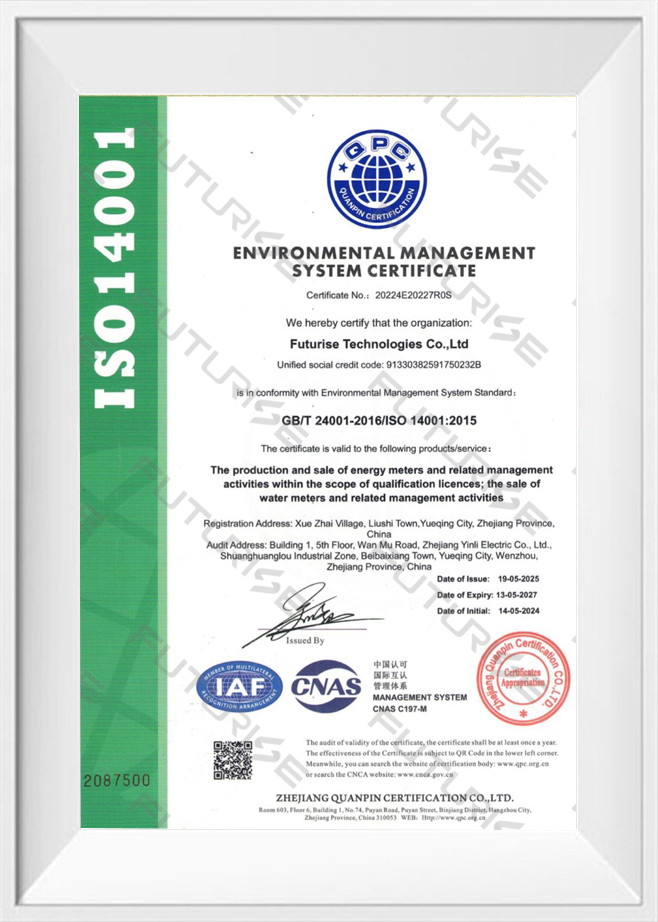
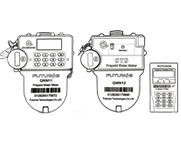
- ✓ Standards certification: Verify DLMS/COSEM, STS (for prepaid), MID, and ISO compliance to ensure interoperability and regulatory acceptance in target markets.
- ✓ Regional approval support: Assess the supplier's capability to assist with local certifications such as NEMSA in Nigeria or KPLC approval in Kenya.
- ✓ Customization capability: Evaluate flexibility in adapting products to specific voltage ratings, communication protocols, tariff structures, and form factor requirements.
- ✓ Supply chain resilience: Confirm production capacity, inventory management, and component sourcing strategies to ensure consistent delivery for large-volume orders.
For detailed product specifications, technical documentation, or custom solution inquiries, visit the smart meter manufacturer product page to explore the full portfolio of single phase, three phase, and 4G-enabled smart metering solutions.
Frequently Asked Questions
Q1: What is the difference between a single phase and a three phase smart meter?
A single phase smart meter measures electrical consumption in standard residential and light commercial single-phase AC systems, typically with a direct connection up to 100A. A three phase smart meter is designed for higher-capacity three-phase systems found in commercial buildings, industrial facilities, and utility substations, offering higher accuracy and advanced power quality monitoring. The choice between them depends on the electrical service type and the load profile of the site being metered.
Q2: Why choose a 4G smart energy meter over traditional communication options?
A 4G smart energy meter offers direct cellular connectivity, eliminating the need for dedicated communication infrastructure such as data concentrators or RF mesh networks. This simplifies deployment in remote areas, enables near-real-time data transmission, and supports high-frequency data collection for advanced applications like demand response and distributed energy resource management. It is particularly advantageous for utilities seeking rapid deployment with minimal infrastructure investment.
Q3: What should I look for when selecting a smart meter manufacturer for a large-scale project?
When selecting a smart meter manufacturer for large-scale deployment, prioritize proven field experience, valid international certifications (DLMS/COSEM, STS, MID, ISO), regional approval support (NEMSA, KPLC), production capacity, and customization flexibility. A manufacturer with global deployment experience—such as FUTURISE, with over 50 million meters installed—provides confidence in product reliability and supply chain capability.
Q4: How does a wholesale smart meter procurement program benefit utilities and distributors?
Wholesale smart meter procurement offers utilities and distributors significant cost advantages through economies of scale, consistent product quality across large volumes, and simplified logistics. It also enables standardization on a single meter platform, reducing training requirements, spare parts inventory, and integration complexity. A reliable wholesale smart energy meter supplier provides technical support and certification assistance to ensure successful project implementation.
Q5: What international standards should a smart meter company comply with?
A reputable smart meter company should comply with DLMS/COSEM for data communication interoperability, STS (IEC 62055) for prepaid token security, IEC 62053 for accuracy, MID for European market approval, and ISO for quality management. These certifications ensure that meters are accurate, secure, and interoperable with industry-standard head-end systems, protecting the utility's long-term investment.
Smart Meter Technology: A Comprehensive Guide to Single Phase, Three Phase, and 4G-Enabled Solutions
The global energy landscape is undergoing a profound transformation, driven by the imperative for grid modernization, renewable energy integration, and consumer empowerment. At the heart of this transformation lies the smart meter—a sophisticated electronic device that has evolved far beyond the traditional electromechanical meter's role of simply measuring consumption. Today's smart meters are intelligent edge-computing nodes that enable real-time monitoring, two-way communication, remote control, and data analytics. This article examines the key product categories within the smart metering ecosystem, providing technical professionals, procurement specialists, and utility decision-makers with a comprehensive understanding of the capabilities, applications, and selection criteria for modern smart metering solutions.
Single Phase Smart Meters: The Foundation of Residential and Light Commercial Metering
Single phase smart meters represent the most widely deployed category of intelligent metering devices, primarily serving residential households, small retail establishments, and light commercial premises. These meters are designed to measure electrical consumption in standard single-phase AC power systems, which constitute the vast majority of consumer connections worldwide. A single phase smart meter manufacturers must deliver products that combine accurate measurement, reliable communication, and cost-effective production to meet the demands of large-scale utility deployments.
The core functionality of a single phase smart meter encompasses bi-directional energy measurement (both import and export), power quality monitoring (including voltage, current, power factor, and frequency), load profiling with configurable integration intervals (typically 15, 30, or 60 minutes), and tamper detection algorithms that identify magnetic interference, neutral current imbalance, and other fraud attempts. These meters also feature integrated communication modules—supporting protocols such as DLMS/COSEM for data interoperability—that enable remote reading, configuration, and firmware updates.
Founded in 2002, FUTURISE has established itself as a professional provider of smart metering and energy solutions, with its single phase product portfolio including the QSM11 series, which has been deployed extensively across residential smart grid projects in Africa, South America, and the Middle East. Working with a reputable single phase smart meter company ensures that utilities receive products that comply with international standards such as IEC 62053 (accuracy) and DLMS/COSEM (communication), along with the necessary certification support for regional approvals including NEMSA in Nigeria and KPLC technical approval in Kenya.
Typical applications for single phase smart meters include residential smart grid deployments, where utilities benefit from automated meter reading (AMR) and remote disconnect/reconnect capabilities; commercial sub-metering, where property owners allocate costs across multiple tenants; and solar net-metering installations, where the meter's bi-directional measurement tracks both grid consumption and solar export. The compact form factor and ease of installation make single phase meters the default choice for most residential and small commercial projects. For wholesale single phase smart meter procurement, utilities and distributors benefit from economies of scale that reduce per-unit costs while maintaining consistent quality across large-volume orders.
Key Advantages of Modern Single Phase Smart Meters
- ✓ Cost-effective deployment: Lower unit costs and simplified installation enable utilities to scale smart metering programs efficiently across millions of residential connections.
- ✓ Communication flexibility: Modular communication interfaces support PLC, RF mesh, and cellular networks, allowing adaptation to varying regional infrastructure conditions.
- ✓ Tamper detection and security: Advanced algorithms protect against magnetic interference, bypass attempts, and other fraud methods, reducing non-technical losses.
- ✓ Standards compliance: DLMS/COSEM certification ensures interoperability with